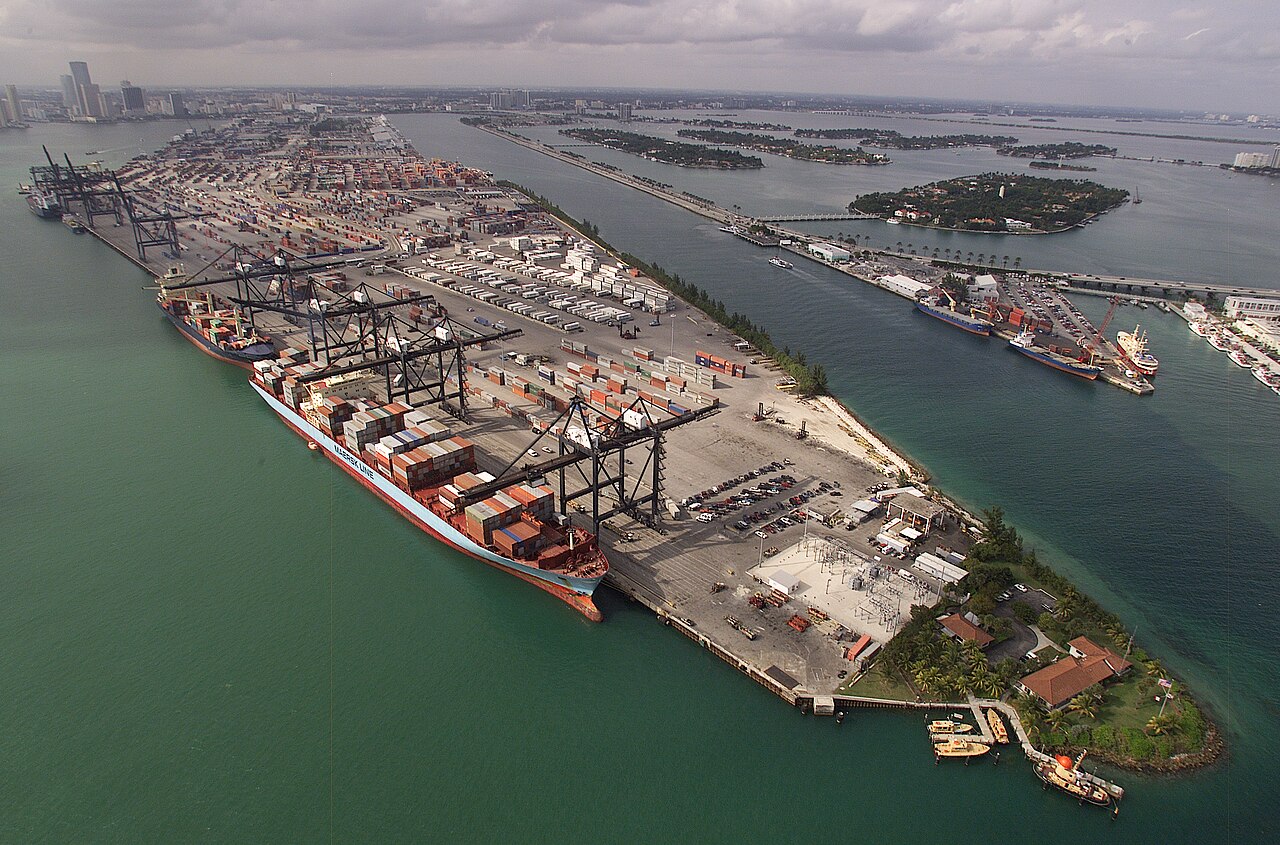
A finance lease lets a Vietnamese borrower put machinery, vessels, vehicles or plant to work without paying the full price upfront, yet the label hides real legal differences. A finance lease is a regulated credit product offered by licensed leasing companies, an operating lease is ordinary commercial rental, and the “tax lease” familiar from aircraft and shipping finance barely exists in domestic law. Each route allocates ownership, depreciation, VAT, balance-sheet impact and insolvency risk differently.
This article compares the structures under Vietnamese law and accounting practice so that capex-heavy borrowers choose deliberately rather than by habit.
Contents
- What Is a Finance Lease in Vietnam?
- Operating Lease: The Legal and Commercial Contrast
- Tax Lease and Leveraged Lease Concepts Used Internationally
- Why Tax Lease Structures Have Limited Reach in Vietnam
- VAT and CIT Depreciation Treatment
- IFRS 16 and VAS: Accounting Differences
- Lessor Insolvency and Lessee Purchase Options
- Choosing a Structure for Capex-Heavy Borrowers
- Frequently Asked Questions
What Is a Finance Lease in Vietnam?
In Vietnam, a finance lease is not simply a contract style. It is a licensed banking-type activity. The Law on Credit Institutions 2024 (Law No. 32/2024/QH15) treats finance leasing as a form of credit extension, and the lessor must be a credit institution, in practice a finance leasing company or a bank licensed to carry on the activity.
The State Bank of Vietnam supervises these lessors, and its implementing rules govern capital, risk management and the form of lease contracts. A company that is not licensed cannot lawfully offer a finance lease as a business, although it may still grant ordinary rentals.
Licensed Leasing Companies and the Regulatory Perimeter
A finance leasing company buys the asset the lessee selects from a supplier, keeps legal title, and lets the lessee use the asset for a medium or long term in exchange for periodic rent. Because the activity counts as credit, the lessor faces prudential limits, including exposure caps and provisioning requirements, which feed through into pricing and documentation.
Before signing a finance lease, borrowers should confirm that a lessor holds a current licence from the State Bank of Vietnam before signing, and should note that the 2024 Law introduced a transition period for existing institutions to conform with updated requirements.
Core Features of a Finance Lease
Vietnamese regulation describes a finance lease by its economic substance. The lessor retains title during the term, the lessee selects the asset and bears most of its operating risk, the term is a major part of the asset’s economic life, and the lessee has a right at the end to purchase the asset or renew on agreed terms. The rent is calibrated to repay the lessor’s investment plus a financing return.
Contracts typically make the lease non-cancellable, shift maintenance, insurance and casualty risk to the lessee, and give the lessor a right to repossess on default. In effect, a finance lease is secured asset financing in which the security is ownership itself.
Operating Lease: The Legal and Commercial Contrast
An operating lease is the opposite model. The lessor keeps the economic risks and rewards of ownership, for example residual value risk, and the lessee rents the asset for part of its life. Under the Civil Code 2015 (Law No. 91/2015/QH13) and, for commercial parties, the Law on Commerce 2005, such a lease is an ordinary rental agreement.
No credit licence is needed, so equipment dealers, manufacturers, specialised rental companies and foreign lessors can all offer an operating lease, subject to general business registration and customs, foreign exchange and tax rules.
Typical Operating Lease Features
Terms are normally shorter than the asset’s economic life, cancellation or early return rights are more common, and the lessor may handle maintenance. The lessee has no automatic right to buy the asset, although a market-price purchase option can be negotiated. This suits fast-obsolescence assets such as IT hardware or project-specific equipment.
Substance Over Form
Calling a contract an operating lease does not settle its treatment. The accounting standards and tax authorities look at who truly bears the risks and rewards. A “rental” with a nominal purchase price at the end, a non-cancellable term covering the whole asset life, and full maintenance borne by the user will usually be analysed as a finance lease for accounting purposes. If the lessor is unlicensed, that characterisation can also raise a regulatory question, because the arrangement may look like unlicensed credit activity.
Tax Lease and Leveraged Lease Concepts Used Internationally
A tax lease is a structure in which the lessor, as tax owner of the asset, claims capital allowances or accelerated depreciation and passes part of that benefit to the lessee through lower rent. The concept is common in aircraft, ship, rail and energy financing in the United States, the United Kingdom, Japan and other markets. Its attraction is simple: the party that can use the deductions most efficiently owns the asset for tax, while the party that operates the asset enjoys cheaper funding.
How a Leveraged Lease Works
A leveraged lease adds acquisition debt. An equity investor, often a bank or a tax-paying corporation, funds a minority share of the asset cost, and non-recourse lenders fund the balance. The lenders take security over the asset and an assignment of the rent, the investor takes the depreciation and interest deductions, and the lessee pays rent sized to service the debt and return the equity.
Variants include the Japanese operating lease with call option, often called JOLCO, widely used for aircraft. Each variant depends on the tax law of the lessor’s home jurisdiction recognising the lessor as owner, not on the law where the asset is used.
Why Tax Lease Structures Have Limited Reach in Vietnam
Vietnam does not have a dedicated tax lease or leveraged lease regime. Several features of the domestic framework explain why such structures are rarely available for domestic assets.
Tax Ownership Tracks Legal and Accounting Substance
Vietnamese fixed asset depreciation rules, notably Circular No. 45/2013/TT-BTC as amended, allow depreciation to the enterprise that owns the asset or that uses it under a finance lease, and they require the asset to be recorded as a fixed asset in the enterprise’s books. In a finance lease the lessee, not the lessor, depreciates the asset for tax.
For a finance lease, that default rule leaves little space for a lessor to retain the depreciation while the lessee enjoys economic ownership. A true tax lease depends on the opposite allocation.

Licensing, Foreign Exchange and Withholding Friction
A foreign lessor financing assets used in Vietnam faces layered requirements. Rent paid abroad can attract foreign contractor tax, assessed under Circular No. 103/2014/TT-BTC on VAT and corporate income tax bases, and the lessee must usually register the lease or related foreign obligations under State Bank of Vietnam foreign-exchange rules. A cross-border finance lease may also raise customs questions, so the net benefit can be thin.
Practical Alternatives
Because of these limits, Vietnamese borrowers usually rely on a domestic finance lease from a bank-owned or independent finance leasing company, a sale-and-leaseback, vendor finance, or a conventional secured loan. International tax-driven leasing is more often seen in aircraft and large vessels, and borrowers should obtain tailored advice before assuming that a structure that works in one market can be transplanted.
VAT and CIT Depreciation Treatment
Tax outcomes are often the first thing a finance director checks, yet the answer for a finance lease differs sharply between a finance lease and an operating lease.
Corporate Income Tax and Depreciation
Under an operating lease, the lessee deducts rent as an expense when it is incurred and related to business, subject to the usual documentation rules, and the lessor depreciates the asset. Under a finance lease, the lessee records the asset, depreciates it under the fixed asset rules, and deducts the finance charge as interest. The lessor treats the transaction as lending. For related-party arrangements, interest deductibility is limited by Decree No.
132/2020/ND-CP, which caps net interest at a percentage of EBITDA, so a group-owned finance leasing company can influence the lessee’s deductions. Recent reform of the corporate income tax law means these implementing rules should be rechecked against current guidance before a deal closes.
VAT Position
Under the Law on VAT 2024 (Law No. 48/2024/QH15), operating lease rentals are generally subject to VAT, and a VAT-registered lessee can claim input VAT on valid invoices. For a finance lease, the VAT mechanics depend on how the lessor invoices the asset acquisition and the periodic rent, and on how the financing component is treated under the credit-activity rules. Because invoicing patterns vary by lessor, the lessee should confirm, before signing, when input VAT arises and whether it will be recoverable.
IFRS 16 and VAS: Accounting Differences
Accounting classification drives covenants, EBITDA and reported leverage, so it deserves separate attention from the legal and tax analysis.
Lessee Accounting Under IFRS 16
IFRS 16, effective globally since 2019, removes the lessee’s distinction between finance and operating leases. Almost every lease with a term over twelve months, other than low-value assets, goes on the balance sheet as a right-of-use asset and a lease liability. The income statement shows depreciation plus interest, which is higher in early years than straight-line rent. For borrowers, that raises reported debt and EBITDA, and covenant definitions in loan agreements should be reviewed.
The standard on the IFRS Foundation website sets out the full requirements.
Vietnamese Accounting Standard 06
Vietnamese enterprises applying VAS 06 on Leases still use the older two-way model. A finance lease transfers substantially all risks and rewards, and the lessee records the asset and a liability at the lower of fair value and the present value of minimum lease payments.
Indicators include transfer of ownership at the end, a bargain purchase option, a term covering a major part of economic life, and present value of rent near the asset’s fair value. An operating lease stays off balance sheet, with straight-line rent expense. The Ministry of Finance roadmap for IFRS adoption (Decision No.
345/QD-BTC of 2020) phases in IFRS, initially on a voluntary basis, so groups that report under IFRS for lenders or parents may keep two sets of lease books.
Lessor Accounting and Tax Alignment
For lessors, IFRS 16 keeps the finance and operating split, so a licensed lessor still records a finance lease as a receivable and an operating lease as depreciating equipment. Vietnamese tax follows the VAS and tax-specific rules, not IFRS 16, so IFRS reporters must reconcile right-of-use depreciation and lease interest to tax-deductible amounts. Deferred tax calculations should be prepared at structuring stage, not at year-end.
Lessor Insolvency and Lessee Purchase Options
A finance lease only works if the lessee keeps the asset and can obtain title at the end. Those two points deserve explicit legal attention.
Lessor Insolvency Scenarios
The lessor owns the asset, so it forms part of the lessor’s estate if the lessor becomes insolvent. A finance leasing company is a credit institution, which means the Law on Credit Institutions 2024 provides a regulated path, including early intervention and special control by the State Bank of Vietnam, before ordinary proceedings under the Law on Insolvency 2014 (Law No. 51/2014/QH13).
The risk for lessees is that a trustee, a receiver or the lessor’s funding banks may seek to sell the asset or the rent stream. Practical protections include verifying the lessor’s financial strength and regulatory standing, obtaining written non-disturbance undertakings from the lessor’s financiers, keeping asset registration and delivery records, and avoiding prepayment of large amounts of rent.
Securing the Lessee Purchase Option
A lessee purchase option should specify the exercise window, the price or the formula, the notice mechanism, and the documents the lessor must deliver for title transfer, including VAT invoices, handover minutes and, for vehicles or vessels, registration documents. A nominal-price option in a finance lease raises accounting and tax substance questions, while a fair-value option gives the lessee less certainty.
Draft the option so that it survives assignment by the lessor, and require the lessor to give notice of any transfer of the lease or the receivables.

Choosing a Structure for Capex-Heavy Borrowers
There is no universally best route. The right choice depends on the asset, the lessee’s tax position, its covenants, and how long it intends to hold the asset.
Comparison of the Main Options
| Feature | Finance lease (licensed lessor) | Operating lease | Cross-border tax lease / leveraged lease | Secured bank loan |
|---|---|---|---|---|
| Lessor or lender | Licensed finance leasing company or bank | Any registered business, including foreign lessors | Foreign owner-lessor with lender syndicate | Bank |
| Legal title | Lessor until option exercised | Lessor throughout | Lessor, often through a special purpose vehicle | Borrower, with security granted |
| Tax depreciation | Lessee | Lessor | Intended for lessor, uncertain in Vietnam | Borrower |
| VAS 06 treatment | On balance sheet for lessee | Off balance sheet, rent expense | Depends on terms | Asset and debt on balance sheet |
| IFRS 16 treatment | Right-of-use asset and liability | Right-of-use asset and liability | Right-of-use asset and liability | Asset and debt on balance sheet |
| End-of-term | Purchase or renewal option | Return or renew, option by negotiation | Call option or return | Asset retained |
| Best suited to | Long-life equipment the lessee intends to keep | Short-cycle or project-specific assets | Aircraft, vessels and other large assets | Flexible corporate borrowing |
Questions to Ask Before Committing
Ask whether the borrower intends to own the asset after the term, which favours a finance lease with a purchase option. Ask whether the lessee can use depreciation deductions itself, since a loss-making borrower may gain little. Ask how the IFRS 16 and VAS profiles affect covenants. Ask whether the asset is imported and whether any customs incentive depends on who owns it. Ask who will carry residual value risk.
Finally, ask whether an existing banking facility restricts additional financial indebtedness, because lenders often treat a finance lease as debt. The banking and finance team and the tax team should work together on these points, since a structure that is cheap on paper can fail on one regulatory detail.
Frequently Asked Questions
Can any company grant a finance lease in Vietnam?
No. A finance lease is a credit activity under the Law on Credit Institutions 2024, so the lessor must be a licensed credit institution. Unlicensed businesses can grant ordinary rentals, but a contract with finance lease features may be recharacterised and raise regulatory risk.
Does Vietnam recognise a tax lease or leveraged lease?
Not as a dedicated regime. Vietnamese depreciation rules tie deductions to the owner or finance lessee as recorded in the books, so lessor-claimed tax benefits are uncertain. Cross-border aircraft and vessel deals can use such structures with specific advice.
Who claims depreciation under a finance lease?
Generally the lessee, who records the asset and depreciates it under the fixed asset rules while deducting the finance charge. Under an operating lease, the lessor depreciates and the lessee deducts rent. Confirm against current tax guidance.
Does IFRS 16 end the operating lease distinction?
For lessees applying IFRS 16, yes, nearly all leases go on balance sheet. Lessors still classify leases as finance or operating. Companies using VAS 06 retain the two-way lessee model.
What happens to my purchase option if the lessor becomes insolvent?
The option is a contractual right against the lessor’s estate, so its value depends on the contract and the insolvency process. Protect it with clear drafting, financier non-disturbance undertakings and monitoring of the lessor’s standing.
Choosing between a finance lease, an operating lease and an international tax-driven structure is a decision about ownership, tax, accounting and enforcement, not only price. A sensible next step is to gather the asset list, the intended holding period, your loan covenants and any lessor term sheets, and have them reviewed together before you sign.
Discuss Your Equipment Financing
IVLF Advisors LLC advises borrowers, lessors and investors on lease and asset finance across Ho Chi Minh City and Hanoi. Request a confidential preliminary consultation to review your structure with our banking and finance team and our tax advisory team. See also the State Bank of Vietnam for licensing information and the IFRS Foundation for the full text of the standard.
Disclaimer: This article provides general information only and does not constitute legal, tax or financial advice. Laws and regulations in Vietnam change frequently. Please consult a qualified adviser about your specific circumstances before acting.
This article is provided for general information only and does not constitute legal advice for any specific case. Regulations may change – please consult a qualified professional before acting. Should further analysis be required, please contact one of our lawyers below.