LNG-to-power project financing is becoming the defining capital-markets challenge for Vietnam’s energy sector as the country races to replace retiring coal capacity with gas-fired generation under Power Development Plan 8 (PDP8).
For project sponsors, international lenders, and general counsel structuring deals from Nhon Trach to Son My, the bankability of any such financing hinges on how cleanly a take-or-pay gas sale and purchase agreement (GSPA) allocates offtake risk, how a tolling or merchant revenue model shifts commodity exposure, and how currency and fuel-cost pass-through mechanisms are drafted into the underlying power purchase agreement (PPA).
This article maps the commercial and legal architecture lenders expect to see before committing capital.
Understanding Vietnam’s PDP8 Pipeline for Gas-to-Power Projects
Vietnam approved PDP8 in May 2023 and its implementation plan shortly after, targeting roughly 22,400 MW of gas-fired power by 2030, a substantial share of which depends on imported liquefied natural gas rather than declining domestic gas fields in the Nam Con Son and Cuu Long basins.
This shift transforms the financing conversation: a domestic-gas power plant could rely on relatively stable upstream supply contracts, but this new asset class must now account for an entirely new layer of intermediaries — import terminals, regasification infrastructure, shipping, and global commodity-indexed pricing — each of which introduces its own risk allocation question that a lender’s credit committee will probe before financial close.
- Understanding Vietnam’s PDP8 Pipeline for Gas-to-Power Projects
- Why Take-or-Pay GSPAs Anchor LNG-to-Power Project Financing
- Tolling vs Merchant Risk Models for Gas-Fired Power Plants
- Vietnam’s LNG-to-Power Pipeline Under PDP8
- LNG Import Terminal Financing Structures
- Currency Risk Pass-Through Mechanisms
- Commodity Price Risk and Gas Price Formulas
- Lender Due Diligence for Gas-to-Power Financing in Vietnam
- Comparing LNG-to-Power Financing Risk to Coal and Renewables
- Structuring Considerations for Sponsors and Lenders
- Frequently Asked Questions
Why Take-or-Pay GSPAs Anchor LNG-to-Power Project Financing
At the center of every successful LNG-to-power financing sits the take-or-pay GSPA between the power plant and the gas supplier or terminal operator.
Because lenders cannot rely on merchant gas markets of the depth seen in the United States or Europe, Vietnam’s bankable structures instead replicate the contractual certainty of a long-term offtake arrangement: the buyer commits to pay for a minimum contracted quantity of regasified LNG whether or not it is actually consumed, mirroring the take-or-pay discipline already familiar from the country’s domestic gas contracts.
Minimum Offtake Volumes and Payment Obligations
A well-drafted take-or-pay GSPA fixes an annual contract quantity, a daily or monthly nomination mechanism, and a make-up gas provision allowing the buyer to recover undertaken-but-unconsumed volumes within a defined carry-forward window. Lenders typically require the contract quantity to be sized conservatively against the plant’s dispatch forecast under the national load dispatch center’s expected utilization, since an overstated quantity creates payment obligations the project company cannot cover from PPA revenue alone.
Force Majeure and Curtailment Carve-Outs
Because Vietnam Electricity (EVN) retains dispatch authority, a gas-fired plant can be curtailed for grid-stability reasons unrelated to fuel availability. Bankable GSPAs therefore carve out “buyer curtailment” or “offtaker-caused non-dispatch” as an excused event that does not relieve the take-or-pay payment obligation, while reserving true force majeure — pipeline rupture, terminal outage, typhoon damage — for genuine relief. Negotiating this boundary precisely is one of the most contested points in any gas-to-power financing term sheet.
Tolling vs Merchant Risk Models for Gas-Fired Power Plants
Sponsors structuring an LNG-fired plant in Vietnam generally choose between a tolling model, where the offtaker supplies or pays for fuel and compensates the plant purely for conversion capacity, and a merchant-exposed model, where the project company itself procures LNG and bears the spread between fuel cost and electricity tariff. The choice materially changes the project’s risk profile and, consequently, its financing terms.
Tolling Agreement Structure
Under a tolling agreement, the project company earns a capacity payment for availability and a conversion fee per unit of electricity generated, while the offtaker (often EVN or a designated buyer) separately arranges and pays for the LNG feedstock, sometimes through its own GSPA with the terminal. This isolates the project company from commodity price risk and currency risk on fuel, which is precisely why tolling-based LNG-to-power financing structures tend to achieve lower-cost debt and higher leverage than merchant alternatives.
Merchant Exposure and Market Risk
In a merchant or quasi-merchant structure, the project company purchases LNG under its own take-or-pay GSPA and sells electricity under a PPA that only partially passes through fuel cost movements. Lenders financing this model demand robust fuel cost pass-through mechanisms, hedging covenants, and often a debt service reserve account sized to absorb short-term mismatches between LNG procurement cost and tariff recovery.
IVLF Advisors advises sponsors, lenders, and general counsel on take-or-pay GSPA negotiation, PPA risk allocation, and project finance documentation across Vietnam’s gas-to-power pipeline. Contact our Ho Chi Minh City or Hanoi office to arrange a confidential preliminary consultation on your transaction.
Vietnam’s LNG-to-Power Pipeline Under PDP8
PDP8 identifies a sequence of LNG-to-power projects intended to anchor southern and south-central grid reliability as coal retirements accelerate. Two projects illustrate the structuring questions sponsors now face.
Nhon Trach 3 and 4
The Nhon Trach 3 and 4 gas-fired power plants in Dong Nai province, developed by PV Power, were among the first LNG-to-power project financing transactions in Vietnam to reach commercial structuring using regasified LNG supplied through the Thi Vai terminal. The project’s PPA and GSPA negotiations became an early test case for how curtailment risk, fuel price pass-through, and minimum offtake volumes would be allocated in a market without a mature merchant gas benchmark.
Son My LNG Terminal and Power Complex
The Son My LNG import terminal and associated gas-fired power complex in Binh Thuan province represents a larger-scale test of integrated terminal-and-plant financing, where sponsors have considered whether the import terminal should be financed as a standalone regulated-access asset or bundled with the power plant under a single project financing perimeter. The structuring choice affects everything from permitted lender security to how currency risk is allocated between terminal throughput fees and plant-level tariffs.
LNG Import Terminal Financing Structures
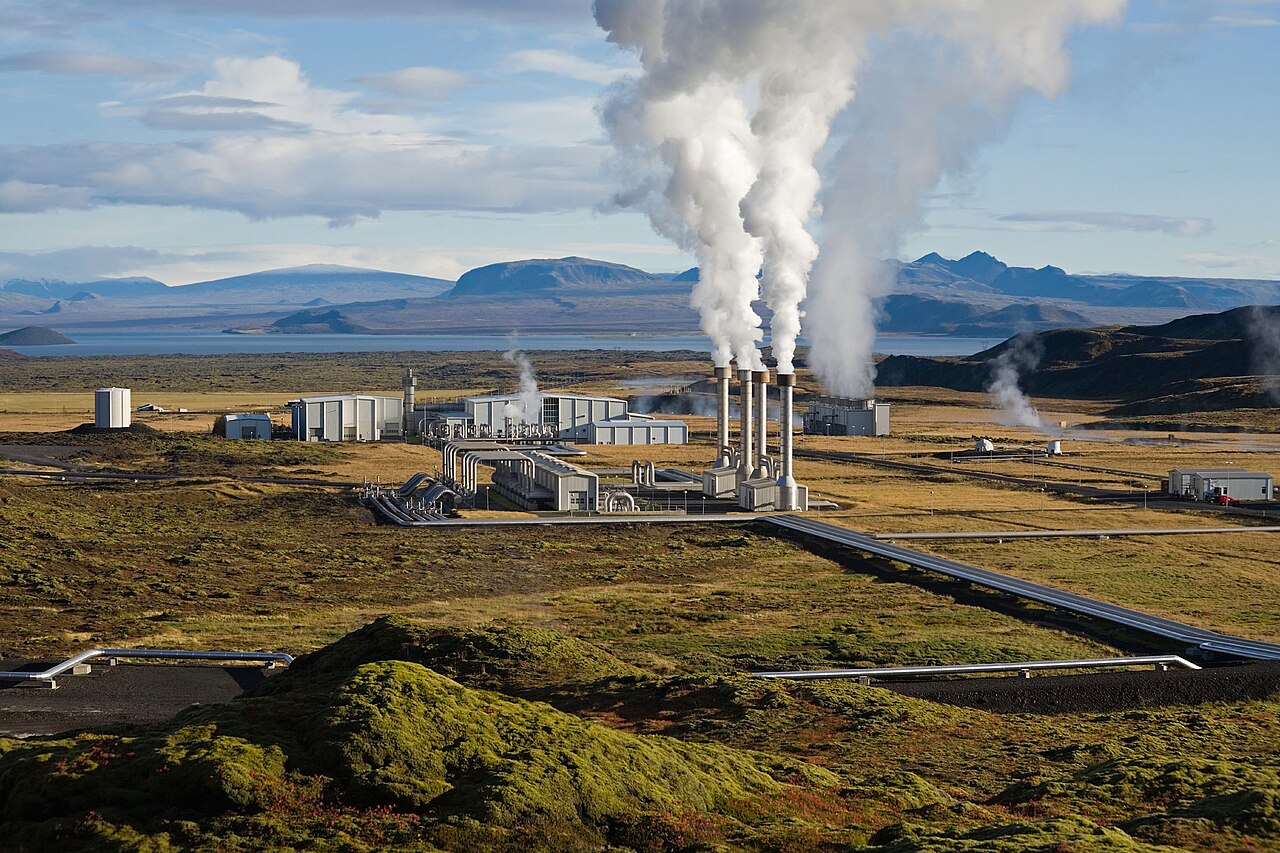
A regasification terminal is frequently the most capital-intensive and technically complex component of an LNG-to-power financing, requiring its own financing perimeter, throughput contracts, and often a separate set of lenders or export credit agency support tied to the equipment supplier’s home jurisdiction.
Regasification Capacity and Throughput Agreements
Terminal financing typically relies on a throughput or capacity reservation agreement under which the power plant (or a trading intermediary) commits to a minimum annual regasification volume, paying a capacity fee independent of actual send-out. This mirrors the take-or-pay logic of the upstream GSPA and gives terminal lenders revenue certainty even if a single offtaking power plant underperforms.
Terminal Ownership and Access Models
Vietnam has debated whether LNG terminals should operate as open-access, regulated infrastructure available to multiple offtakers, or as dedicated, single-user facilities tied to one power project. The open-access model, while attractive from a competition and long-term market-development standpoint, complicates such financing because lenders to the terminal must underwrite counterparty risk across multiple, potentially weaker offtakers rather than a single creditworthy anchor tenant.
Currency Risk Pass-Through Mechanisms
Because LNG is priced and shipped in US dollars while Vietnamese retail and wholesale electricity tariffs are largely denominated in Vietnamese dong, currency mismatch is one of the most persistent risks in LNG-to-power financing arrangements and a frequent point of lender pushback at credit committee.
USD-VND Indexation in PPAs
Bankable PPAs typically include a USD-VND exchange rate adjustment formula that revalues the capacity or energy charge periodically against a reference rate published by the State Bank of Vietnam, protecting both debt service coverage and equity returns from currency depreciation between financial close and the end of the debt tenor. Sponsors should ensure this adjustment mechanism is mirrored consistently across the PPA, the GSPA, and any EPC contract denominated in foreign currency.
Central Bank and State Guarantee Considerations
Historically, foreign lenders financing large Vietnamese power projects sought a government guarantee addressing convertibility and transferability of VND revenue into foreign currency for debt service. As Vietnam has scaled back blanket sovereign guarantees for new power projects, such financing increasingly relies on contractual currency pass-through plus commercial foreign exchange hedging rather than a direct state backstop, which raises the due diligence bar for both sponsors and lenders.
Commodity Price Risk and Gas Price Formulas
LNG cargoes delivered to Vietnam are typically priced against an international benchmark, exposing the project to global commodity volatility that a purely domestic gas contract would not carry.
Henry Hub and JKM-Linked Pricing
GSPAs for Vietnamese LNG-to-power projects commonly reference a combination of Henry Hub, Brent crude, or the Japan-Korea Marker (JKM) spot benchmark, sometimes blended with a fixed liquefaction and shipping component. The chosen formula directly determines how much commodity price volatility flows through to the power plant and, from there, into the tariff charged to EVN or another offtaker.
Fuel Cost Pass-Through to Offtaker
The commercial heart of any gas-fired PPA is the fuel cost pass-through clause, which determines whether gas price movements flow automatically into the electricity tariff or are capped, shared, or partially absorbed by the generator. A pass-through mechanism that is too narrow leaves the project company exposed to commodity risk it cannot hedge away economically; one that is too generous shifts political and consumer-tariff risk onto EVN, inviting regulatory pushback. Striking this balance is central to bankable gas-to-power financing in Vietnam’s current market.
Lender Due Diligence for Gas-to-Power Financing in Vietnam
International and domestic lenders evaluating an LNG-to-power project financing apply a due diligence checklist distinct from conventional thermal or renewable project finance, given the layered contractual chain running from LNG supplier through terminal, GSPA, and PPA.
Government Guarantees and PPA Bankability
Lenders scrutinize whether the PPA contains bankable minimum payment guarantees, change-in-law protection, and termination compensation sufficient to cover outstanding debt. Where sovereign guarantees are unavailable, lenders increasingly require enhanced security packages, political risk insurance, or multilateral development bank co-financing to fill the credit gap, a gap our banking and finance advisory team frequently helps sponsors and lenders bridge through tailored credit enhancement structures.
Security Package for LNG-to-Power Project Financing
A typical security package for this type of transaction includes a mortgage or pledge over the plant and associated land-use rights, an assignment of receivables under the PPA and GSPA, a share pledge over the project company, and direct agreements allowing lenders step-in rights over the GSPA, PPA, and EPC contract if the sponsor defaults.
| Risk Factor | Tolling Model | Merchant Model |
|---|---|---|
| Commodity price exposure | Borne by offtaker | Borne by project company |
| Currency risk on fuel | Largely passed through contractually | Retained unless separately hedged |
| Typical leverage achievable | Higher (70-80% debt typical) | Lower, more equity required |
| Debt pricing | Lower margin, investment-grade-like risk | Higher margin reflecting market risk |
| Offtaker credit dependency | High (single offtaker critical) | Moderate, spread across tariff recovery |
| Suitability for first-of-kind LNG projects | Preferred by lenders | Reserved for proven, liquid markets |
Comparing LNG-to-Power Financing Risk to Coal and Renewables
Lenders benchmarking an LNG-to-power project financing against alternative generation technologies weigh several distinct risk categories side by side, since each technology carries a different combination of fuel, currency, and policy risk.
Fuel Supply Security Compared to Coal
Coal-fired projects historically benefited from diversified global suppliers and well-established shipping routes, while this financing model depends on a smaller number of long-term supply counterparties and terminal slots, concentrating counterparty risk even as it reduces local air-quality and carbon-intensity concerns relative to coal.
Revenue Certainty Compared to Renewables
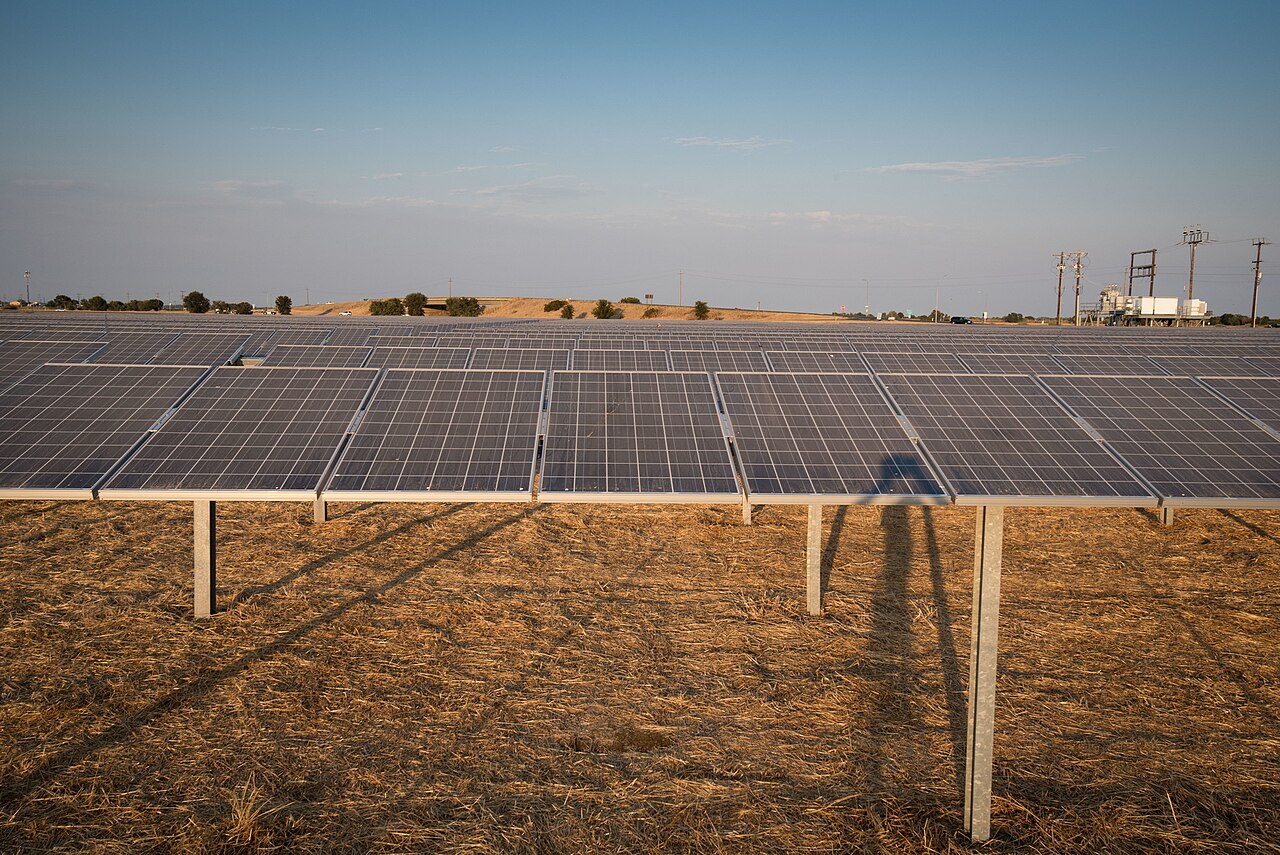
Wind and solar projects in Vietnam have financed primarily on fixed feed-in-tariff or negotiated PPA revenue with minimal fuel risk but significant curtailment and grid-connection risk. LNG-to-power financing instead trades curtailment exposure for commodity and currency risk, generally requiring more sophisticated risk-allocation drafting but offering dispatchable baseload revenue that renewables cannot match.
Structuring Considerations for Sponsors and Lenders
Beyond the GSPA and PPA, sponsors structuring LNG-to-power project financing in Vietnam must sequence corporate, land, and permitting workstreams carefully to preserve bankability through to financial close. Experienced general counsel typically map these workstreams against the lender’s expected drawdown schedule well before the GSPA and PPA are finalized, since a mismatch discovered late in negotiations can delay financial close by months and materially increase transaction costs for every party at the table.
Special Purpose Vehicle and Equity Structuring
Most transactions use a Vietnamese project company as borrower, with foreign sponsors holding equity through a holding structure compliant with Vietnam’s foreign ownership and investment conditions for the power sector. Equity bridge facilities and shareholder support undertakings are common features lenders require before and during construction.
Permitting and Land Use Sequencing
Securing the investment registration certificate, environmental impact assessment approval, and land-use rights for both the power plant and any dedicated terminal infrastructure in the correct sequence is critical, since lenders will not reach financial close without confirmed land tenure and construction permits in place, a sequencing issue our project finance advisory team regularly manages for cross-border sponsors.
Four reference points help lenders calibrate the structure. Tolling agreement risk differs sharply from merchant exposure, because the offtaker bears fuel cost under a tolling model. PDP8 Vietnam determines which LNG-to-power projects obtain a place in the pipeline and on what timetable. The Nhon Trach LNG power plant experience shows how fuel supply and offtake negotiations can run in parallel and shape financing timelines.
Finally, any gas sale and purchase agreement Vietnam sponsors sign should be aligned with the power purchase terms so that LNG-to-power cash flows remain bankable.
Frequently Asked Questions
What makes LNG-to-power project financing different from domestic gas-fired project finance?
It adds an import terminal, international shipping, and commodity-indexed pricing layer, introducing currency and benchmark price risk absent from domestic-gas-fed projects relying on stable upstream contracts.
Why is a take-or-pay GSPA essential for bankability?
Lenders need predictable minimum revenue regardless of actual dispatch; a take-or-pay structure guarantees payment for contracted gas volumes, supporting debt service even during low-utilization periods.
Is tolling or merchant structuring more common in Vietnam currently?
Tolling structures currently dominate because Vietnam’s gas and power markets lack deep merchant liquidity, and lenders prefer the reduced commodity risk tolling provides for early-stage projects.
How is currency risk typically allocated in these projects?
Through a USD-VND indexation formula in the PPA tariff, supplemented by commercial hedging, since blanket sovereign currency guarantees are less available than in earlier generations of Vietnamese power projects.
Which PDP8 projects best illustrate current LNG-to-power financing practice?
Nhon Trach 3 and 4 and the Son My LNG terminal and power complex are the most closely watched transactions shaping bankable precedent for Vietnam’s broader LNG-to-power pipeline.
Sponsors and lenders evaluating a Vietnamese LNG-to-power project should begin by mapping the GSPA, PPA, and terminal throughput arrangements against current PDP8 policy guidance referenced by Vietnam’s Ministry of Industry and Trade and international benchmarks published by the International Energy Agency, then commission a structured risk-allocation review before entering exclusivity with a counterparty.
This article provides general information only and does not constitute legal, tax, or financial advice. Sponsors and lenders should seek advice tailored to their specific transaction before making structuring or financing decisions.
This article is provided for general information only and does not constitute legal advice for any specific case. Regulations may change – please consult a qualified professional before acting. Should further analysis be required, please contact one of our lawyers below.