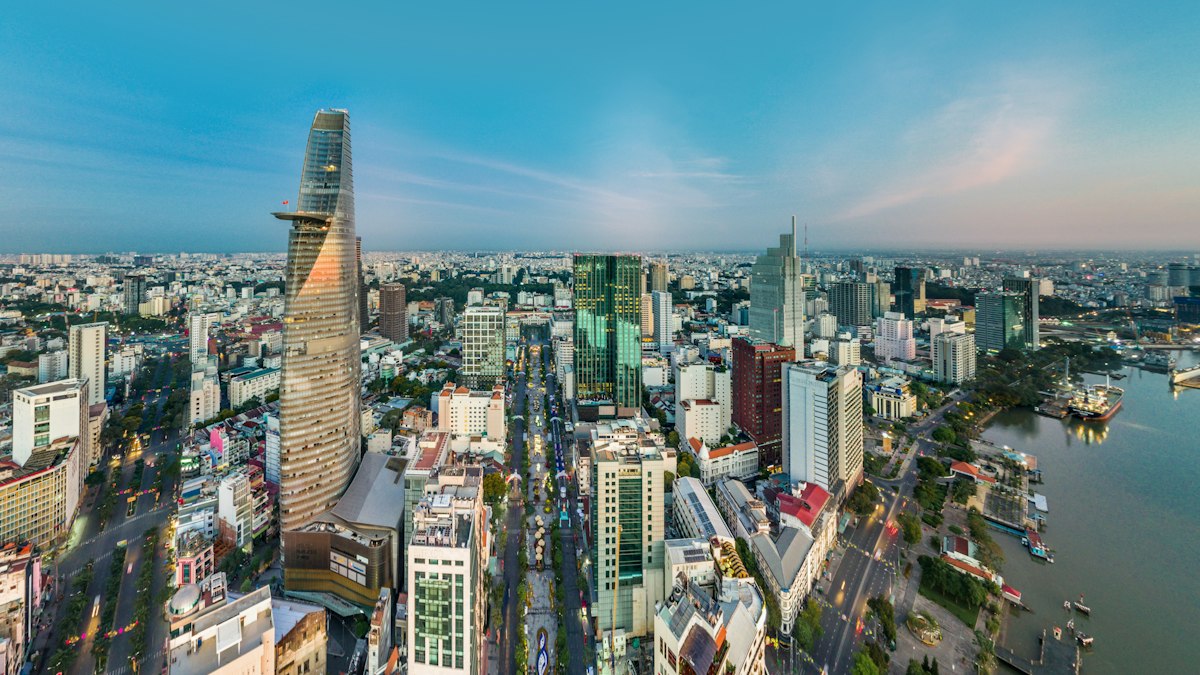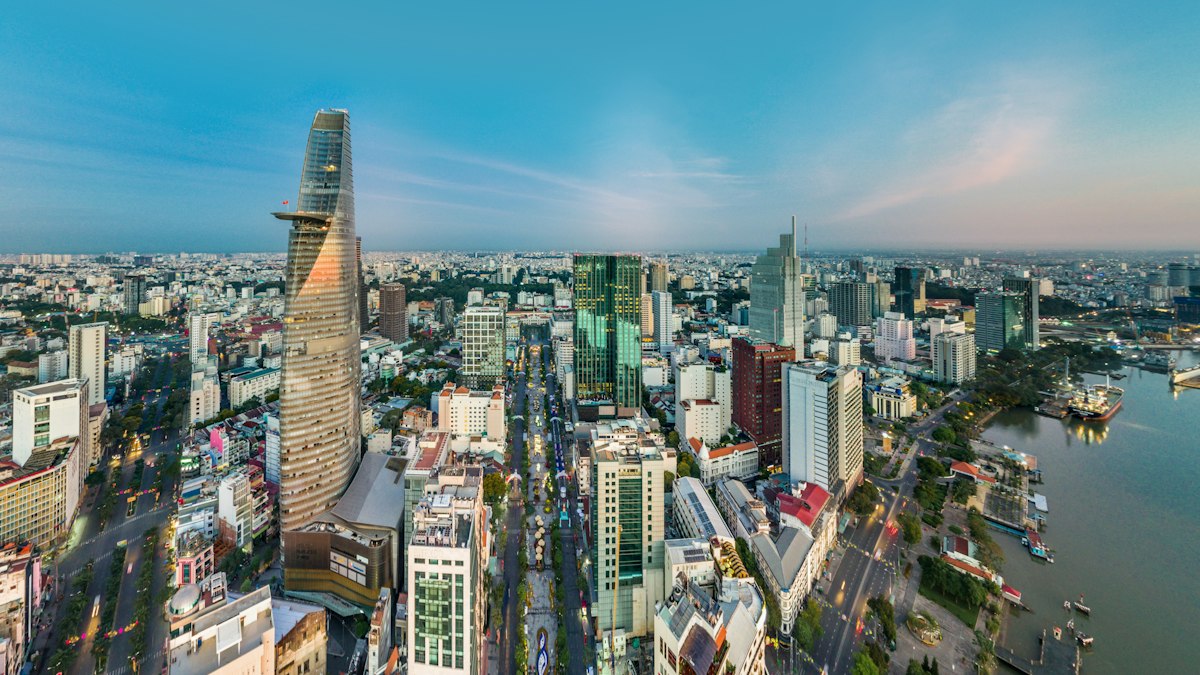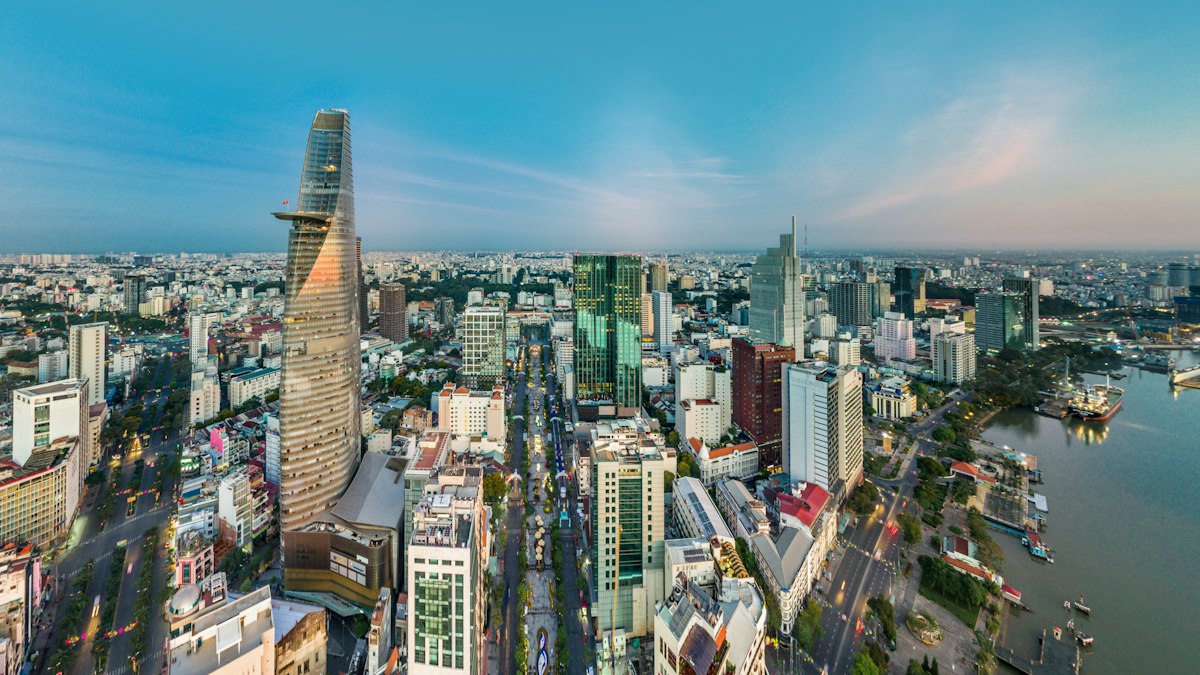
Data center finance in Vietnam has moved from a niche technology topic to a mainstream infrastructure asset class. Hyperscale campuses, carrier-neutral colocation halls, subsea-cable landing stations and tower portfolios all need long-tenor capital, yet each sits where telecom licensing, data governance, power regulation and land law meet. Lenders and infrastructure funds commit only when ownership limits, data-localization duties, electricity supply and contracted revenue fit together.
This article explains how sponsors can build bankable digital infrastructure financings, what the Law on Data 2024, the Law on Telecommunications 2023 and Decree 53/2022 mean for lenders, and where the real risks hide.
Why data center finance is surging in Vietnam
Vietnam combines a young, connected population, rapid cloud adoption, a manufacturing base that generates large volumes of industrial data, and a government that has made digital transformation a national priority. Demand for data center capacity from domestic cloud providers, global hyperscalers, banks, e-commerce platforms and artificial-intelligence workloads is outrunning supply in Ho Chi Minh City, Hanoi and the emerging industrial-zone corridors.
Capital intensity is the second driver. A modern facility needs land, shell, electrical and mechanical plant, redundant grid connections and fit-out, and a sizeable share of the cost is spent before the first customer pays. Equity alone rarely carries that burden, so data center finance has to combine bank debt, development-stage mezzanine capital and, increasingly, institutional infrastructure money.
What lenders ask first in data center finance
Experienced lenders start with four questions: who may lawfully own and operate the asset, where the data may be stored, how the facility will obtain reliable and affordable electricity, and which customers have committed to pay for how long. If a sponsor cannot answer all four in a single coherent term sheet, the financing stalls. The rest of this article follows that order.
Four asset classes, four data center finance logics
Although markets speak of one sector, digital infrastructure is really four distinct asset classes. Each has a different revenue model, a different regulatory gate and a different appetite among lenders. The table below gives a first-pass comparison for data center finance teams.
| Asset class | Typical revenue model | Main legal gate | Lender comfort |
|---|---|---|---|
| Hyperscale campus (build-to-suit) | Long lease or capacity commitment from a single large tenant | Telecom or data-service licensing, land use, power allocation | High if the tenant credit is strong and the term covers the debt |
| Multi-tenant colocation | Per-kW and per-rack fees, power pass-through, interconnection | Data center service conditions, foreign ownership, data rules | Medium to high once pre-leasing reaches the agreed threshold |
| Subsea-cable landing station | Capacity sales and indefeasible rights of use, station access fees | International telecom infrastructure approvals, national security review | Medium; depends on consortium contracts and cable lifespan |
| Telecom towers | Multi-tenant site rental with escalators and anchor-tenant commitments | Passive infrastructure sharing rules, construction and site permits | High for diversified portfolios with investment-grade anchors |
Hyperscale and build-to-suit data center finance
A build-to-suit campus resembles a long-term lease with a technology tenant, and lenders underwrite the tenant more than the building. The key work is aligning the construction timetable, the commencement date of rent and the lender’s drawdown schedule so that delay risk is allocated clearly.
Landing stations and towers
Landing stations earn from capacity contracts tied to consortium cables, so lenders look at the cable’s remaining design life and the stability of consortium members. Towers behave like a utility-style lease portfolio, and the principal diligence points are land title under each site, tenant concentration and the permit status of each structure.
The data and telecom legal framework behind data center finance
Three layers of law frame every data center finance transaction. First, the Law on Data 2024 (Law No. 60/2024/QH15, in force from 1 July 2025) sets rules for data classification, processing, data products and services, and cross-border transfer of core and important data. Second, the Law on Telecommunications 2023 (Law No.
24/2023/QH15, principally in force from 1 July 2025) brings data center and cloud services into the telecom regime and is supported by implementing decrees such as Decree 163/2024/ND-CP. Third, cybersecurity rules apply on top, and the 2018 Cybersecurity Law has been succeeded by newer legislation, so counsel should confirm the current text and effective dates before signing (verify).
Law on Data 2024 and data center finance
The Law on Data distinguishes ordinary data from important and core data and imposes stricter conditions, including risk assessment, on moving the latter outside Vietnam. For data center finance, this matters because the tenant mix shapes the legal risk: a facility hosting regulated financial or government workloads will face tighter obligations than one hosting retail applications. Lenders should request a data-classification map from the sponsor and confirm that the operator can comply with state inspection and access requests without breaching customer contracts.
Cybersecurity law and Decree 53/2022 data-localization rules
Decree 53/2022/ND-CP, which guides the Cybersecurity Law, requires Vietnamese enterprises to store specified data in Vietnam, and allows authorities to require certain foreign enterprises to store data locally and open a branch or representative office in Vietnam when conditions are met. Storage periods and the categories of data covered are defined in the decree and should be checked against the latest version.
In practice, data localization is a demand driver, because regulated customers need an in-country facility, and a protective factor for domestic operators. It is also a covenant topic: lenders will want representations that the operator holds required approvals and has no unresolved regulatory notices.
Personal data overlay
Decree 13/2023/ND-CP on personal data protection, and the newer Law on Personal Data Protection that follows it (verify the current effective date), add impact-assessment and transfer-assessment duties. A colocation operator is usually a processor rather than a controller, but contracts must still allocate responsibility clearly and include audit and breach-notification mechanics.
Foreign ownership limits and licensing in data center finance
Data center and cloud services, the core of data center finance, are treated as telecommunications services under the 2023 law, which means foreign ownership is a live structuring question. The general approach is that foreign-invested entities may hold a majority only within limits set by the Law on Telecommunications and Vietnam’s international commitments, with a lower ceiling commonly applied where the provider owns network infrastructure than where it does not.
The exact percentage for each service category, and whether a given data center falls within a licensed category, must be confirmed against the current decrees and the schedule of commitments (verify).
Market-access procedures for foreign investors
Because telecom services are a conditional business line, foreign investors face the market-access procedures of the Law on Investment 2020: investment registration for a new project, or a capital-contribution and share-acquisition registration for an existing company. A sponsor should obtain the Investment Registration Certificate, the enterprise registration and the telecom or data-service licence in a sequence that matches financing milestones, since lenders will treat any gap as a condition precedent.

Common structures
Typical solutions include a Vietnamese-controlled operating company with a foreign minority stake, a split between a property-owning company and a licensed operating company, or a joint venture with a domestic carrier. The property company can often be owned more freely, which supports sale-leaseback and fund investment, while the operating licence sits within the ownership cap. Each structure needs a related-party lease on arm’s-length terms, because transfer-pricing review and lender scrutiny both focus on that contract.
Power procurement and the DPPA route
For data center finance, electricity is typically the largest operating cost and the first physical constraint. A hyperscale campus can require tens or hundreds of megawatts, and grid capacity, substation timing and connection charges often determine site selection. Under the Law on Electricity 2024, power is purchased from the state-owned utility at regulated tariffs unless a special route applies.
How a direct power purchase agreement works
The most discussed alternative is the direct power purchase agreement, introduced by Decree 80/2024/ND-CP and, as far as we understand, replaced by Decree 57/2025/ND-CP (verify). Two models exist: a private-wire arrangement where a renewable generator supplies the customer directly, and a virtual arrangement that runs through the national grid with settlement against market prices. Eligibility is tied to a minimum monthly consumption for large customers, a threshold that data centers usually meet.
What lenders look for in power documents
Lenders review the grid connection agreement, the allocation of capacity risk, the pass-through of tariff changes to tenants, and the credit of the generator in any direct arrangement. They also test the fallback: if the direct power purchase agreement is suspended, can the facility revert to grid supply without breaching tenant service levels? A sound data center finance structure sizes debt on the regulated-tariff case and treats the cheaper renewable supply as upside.
Cooling, water and ESG constraints
Cooling is the second large resource consumer in data center finance. Vietnam’s hot, humid climate pushes power usage effectiveness upward, and water-based cooling adds pressure in drought-prone provinces. Sustainability-linked lenders and global hyperscale tenants now write efficiency and renewable-sourcing targets into their documents.
Environmental permits and efficiency duties
Projects of significant scale require environmental impact assessment or an environmental licence under the Law on Environmental Protection 2020, and energy-efficiency rules for major energy users continue to tighten (verify the current efficiency legislation). Diligence should confirm that cooling design, backup generators and fuel storage are covered by the permits and fire-safety approvals.
ESG-linked pricing in data center finance
International banks and development lenders may offer margin reductions for verified efficiency or renewable-energy targets. The flip side is reporting cost and covenant risk: if a facility misses its power usage effectiveness target, margin steps up. Sponsors should negotiate realistic targets and a cure period, and align them with the tenant’s own sustainability commitments so that a green loan does not conflict with the colocation contract.
Long-term colocation contracts as lender-bankable revenue
The colocation agreement is the heart of most data center finance transactions, because it converts a technical asset into contracted cash flow. A bankable contract usually has a multi-year committed term, a minimum committed capacity paid whether or not used, annual escalators, and a power pass-through so that tariff changes do not erode margin.
Terms that make data center finance contracts bankable
- Term and take-or-pay: a committed term that comfortably exceeds debt tenor risk, with fees payable on reserved capacity.
- Termination rights: narrow termination for convenience, with early-termination fees that repay unamortized capital cost.
- Service levels: credits capped at a level that cannot erase the base fee.
- Assignment and step-in: consent to collateral assignment and lender step-in on default.
- Tenant credit: parent guarantees or deposits for tenants whose balance sheets are weaker than the commitment.
Currency and pricing in Vietnam
Foreign-exchange rules generally require transactions between Vietnamese residents to be priced and settled in dong, with limited exceptions, so a colocation fee for a domestic tenant is often dong-denominated and indexed to the dollar (verify the current rules and any exemptions). Lenders therefore examine whether the indexation clause survives a regulator’s challenge, and whether dollar-based construction and equipment costs are matched by dollar-linked revenue or hedged.
Pre-leasing and ramp-up risk in data center finance
Multi-tenant facilities rarely reach full occupancy at completion. Lenders typically require a minimum pre-let percentage before first drawdown, sized to cover operating costs and interest, and a debt-service reserve to bridge the ramp-up period. Sponsors that negotiate these data center finance tests early avoid distressed repricing later.
Security, sale-leaseback and infrastructure fund exits in data center finance
A lender’s security package for data center finance usually combines a mortgage over the land use right and assets attached to land, a pledge of equipment and receivables, charges over bank accounts, assignment of the colocation agreement and insurance proceeds, and a share pledge over the project company.
Under Vietnam’s Land Law 2024 and the Civil Code, the form of land tenure, whether annual-payment lease, one-time lease or allocation, determines whether the land use right can be mortgaged and by whom, so land structure should be settled at the outset.
Offshore lending in data center finance
In data center finance, medium- and long-term loans from offshore lenders to Vietnamese borrowers are subject to registration with the State Bank of Vietnam, and onshore banks are subject to lending-limit and sector-exposure rules under the Law on Credit Institutions 2024 (verify details). Syndicates with both onshore and offshore tranches need intercreditor terms that respect those regimes.
Sale-leaseback as a recycling tool
A sale-leaseback lets an operator sell a stabilised facility, or the property company that owns it, to an investor and lease it back on a long-term lease, releasing capital for the next build. Land-use and transfer conditions apply to the sale of land use rights and attached assets, taxes arise on the transfer, and the lease must survive an operator insolvency. Where the operating licence remains with the seller, the lease terms are what keep the buyer’s return secure.
Infrastructure funds and exit routes
An infrastructure fund typically seeks stabilised, contracted cash flow, which is why it often enters after commissioning and pre-leasing. Exits can take the form of a share sale, a sale of the property company, a listing of a platform or a strategic sale to a regional operator. Whichever route is chosen, a foreign buyer must clear market-access and, depending on thresholds, merger-control requirements, so documentation should leave room for regulatory timing.
A practical sequence for sponsors
In data center finance, settle the ownership and licensing structure first, secure land and power next, then negotiate anchor customer contracts, and only then approach lenders with a complete data room. This sequence reduces conditions precedent and shortens time to first drawdown.
Frequently Asked Questions
Can a foreign investor own 100% of a data center in Vietnam?
Not automatically. Because data center services fall within the telecom regime, ownership depends on the service category and Vietnam’s international commitments. A separate property-owning company may carry fewer limits. Confirm the current rules before structuring.
Does Decree 53/2022 force all data to stay in Vietnam?
No. It requires domestic enterprises to store specified data locally, and applies to certain foreign enterprises only on stated conditions and notice from authorities. Check the current decree and any successor legislation.
Can a data center buy renewable power directly?
Yes, large consumers may use the direct power purchase mechanism, through a private line or a virtual arrangement via the grid, if eligibility conditions are met. Rules have changed recently, so verify the current decree.
What makes a colocation agreement bankable?
A long committed term, take-or-pay capacity fees, escalators, power pass-through, limited termination rights, capped service credits, consent to lender step-in and a creditworthy tenant or guarantor.
Is a sale-leaseback common in data center finance?
Generally yes, subject to land-use conditions, tax cost and licensing. Many sponsors sell a property-owning company and lease the facility back, so the operating licence stays with the operator.
Data center finance rewards sponsors who treat law as part of the asset, not an afterthought. Before approaching lenders, prepare a short structure paper covering ownership and licensing, data classification, land tenure, power route and the anchor colocation terms, then test it with counsel while there is still room to change the structure.
Discuss Your Data Center Finance Project with IVLF Advisors
Our team advises sponsors, lenders and investors on banking and finance and project finance mandates in Vietnam. We offer a confidential preliminary consultation to review your structure, licensing path and lender package. Reach out through the IVLF website to arrange it.
Primary sources for statutes and decrees are published on the Government legal documents portal, while foreign-loan and foreign-exchange rules are issued by the State Bank of Vietnam.
This article provides general information only and does not constitute legal, tax or financial advice. Laws and regulations in Vietnam change frequently; please obtain advice tailored to your circumstances before acting.
This article is provided for general information only and does not constitute legal advice for any specific case. Regulations may change – please consult a qualified professional before acting. Should further analysis be required, please contact one of our lawyers below.