Industrial park development in Vietnam is the quiet star of the FDI boom: every factory relocating from China needs serviced land, power and logistics, and the developers who assemble those ingredients earn returns ahead of most real estate classes. This guide covers the phases, the licence chain and the economics for foreign developers and investors.
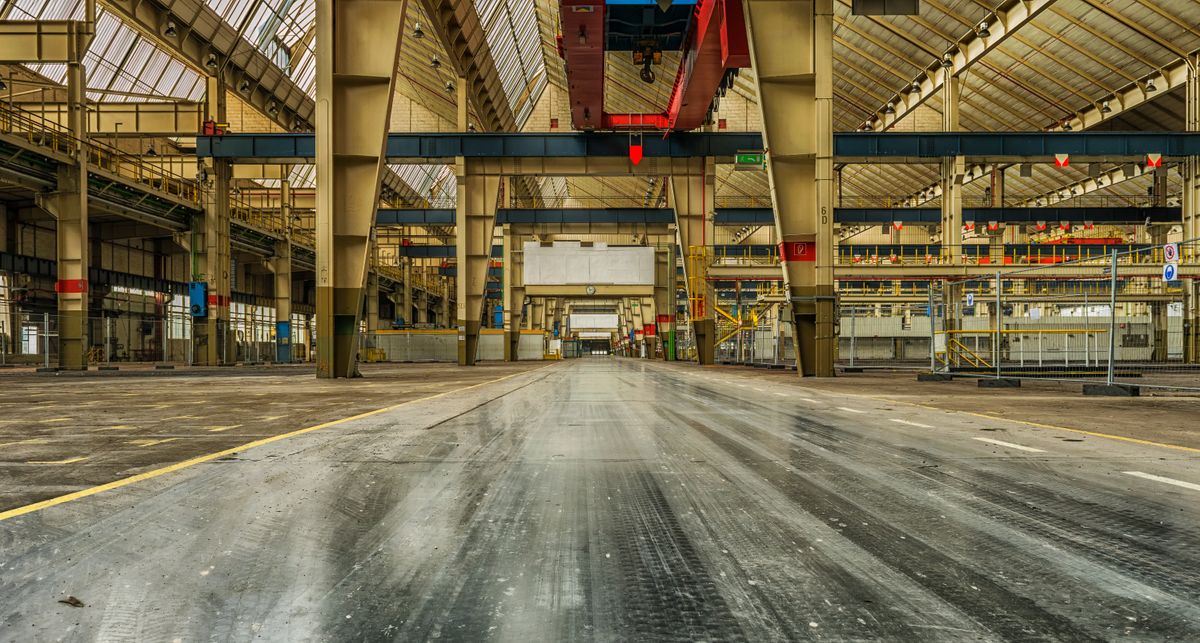
Why industrial park development outperforms
Demand is structural: manufacturing FDI keeps arriving, northern and southern industrial corridors run near full occupancy, and rents have compounded for a decade. Revenue is diversified – land sub-leases paid decades upfront, ready-built factories on recurring rents, and utility and service fees on top. And exit is liquid, because regional industrial REITs and developers actively buy stabilised parks.
The five phases of industrial park development
1. Site selection and master plan entry
The park must enter the provincial and national industrial zone master plans – the gating approval that determines everything after it. Location analysis weighs ports, expressways, labour pools and power capacity.
2. Investment approval and land
Investment policy approval precedes the land lease from the state, typically fifty years. Compensation and site clearance – negotiated with existing land users through the province – is the phase that most often slips; budgeting eighteen months is realistic, as our real estate practice regularly sees.
3. Infrastructure build-out
Roads, power substations, water and waste treatment to the standard tenants’ auditors demand. Environmental permits and the park’s own operating regulations complete the compliance frame.
4. Leasing and tenant licensing
The developer’s licence lets tenants incorporate and license faster inside the park – a genuine selling point, since setting up an FDI company in an industrial zone enjoys streamlined procedures and often tax incentives.
5. Stabilisation and exit
Once occupancy and cash flow stabilise, developers refinance, sell down to institutional capital, or hold for the recurring stream. Structuring the holding company for that exit belongs in phase one, not phase five.
How foreign investors enter industrial park development
Three routes dominate: developing a new park through a foreign-owned project company, joint-venturing with a local developer who owns the land relationship, or acquiring into an existing park – the fastest and the route most transactions actually take. Each sits inside the wider infrastructure investment playbook, with diligence weighted to land legality, master plan status and the tenant covenant.
Industrial park development FAQs
What returns does industrial park development target?
Development-phase investors underwrite high-teens equity returns; stabilised parks trade at yields comparable to regional logistics assets. The spread rewards those who carry the licensing and clearance risk of the early phases.
What incentives apply?
Parks in encouraged locations enjoy corporate income tax holidays and land rent reductions, and tenants inherit their own incentive menu – details our investment incentives guide covers. Zoning and incentive policy is published via the Ministry of Finance.
What industrial park development diligence looks like on acquisitions
Buying into an existing park compresses years of industrial park development risk into one diligence exercise. Land legality leads: the state lease, the compensation history, and whether sub-lease terms granted to tenants stay inside the park’s own term. The tenant covenant comes second – anchor tenants, lease maturities, and any side arrangements on service fees that will not survive a change of owner. Master plan status third: expansion phases promised to tenants must exist in the approved plan, not just the marketing brochure.
Utility capacity is the quiet deal-breaker. Power substation headroom, water treatment volumes and waste discharge permits cap how much the park can actually grow; a park sold on expansion economics with no grid headroom is a yield asset priced as a growth asset. An afternoon with the utility agreements corrects the valuation before the term sheet locks it.
The ready-built factory play
The fastest-growing segment inside industrial park development is ready-built factories and warehouses: the developer builds standard units and leases them on three-to-ten-year terms to tenants who want speed over customisation. Returns arrive earlier than the land sub-lease model, the tenant base diversifies, and institutional buyers pay premiums for the recurring income. The legal work concentrates on the lease template – service charges, reinstatement, assignment on tenant exit – because one template error repeats across every unit in the park.
Choosing the province: the variables that actually differ
Provinces compete hard for park developers, but four variables separate the good addresses from the crowded ones. Clearance capability: some provincial authorities deliver compensated land on schedule, others measure delay in years – reference checks with developers already operating there are worth more than any incentive table. Labour depth: a park an hour from a population centre leases slower whatever its specifications. Power reliability: manufacturing tenants audit outage history before signing, so the developer inherits the grid’s reputation. And logistics: distance to the nearest port gate or expressway interchange converts directly into tenant operating cost, which converts into achievable rent. Incentive percentages, by contrast, differ less between locations than marketing suggests – they reward the choice, they should not drive it.
This article is provided for general information only and does not constitute legal advice for any specific case. Regulations may change – please consult a qualified professional before acting. Should further analysis be required, please contact one of our lawyers below.