
Infrastructure investment in Vietnam is entering its strongest decade: the national master plans call for hundreds of billions of dollars in transport, energy, industrial and digital infrastructure through 2030, and the state budget can fund only part of it. That gap is the foreign investor’s opening. This guide maps the entry routes, the legal frame and the risks that decide returns.
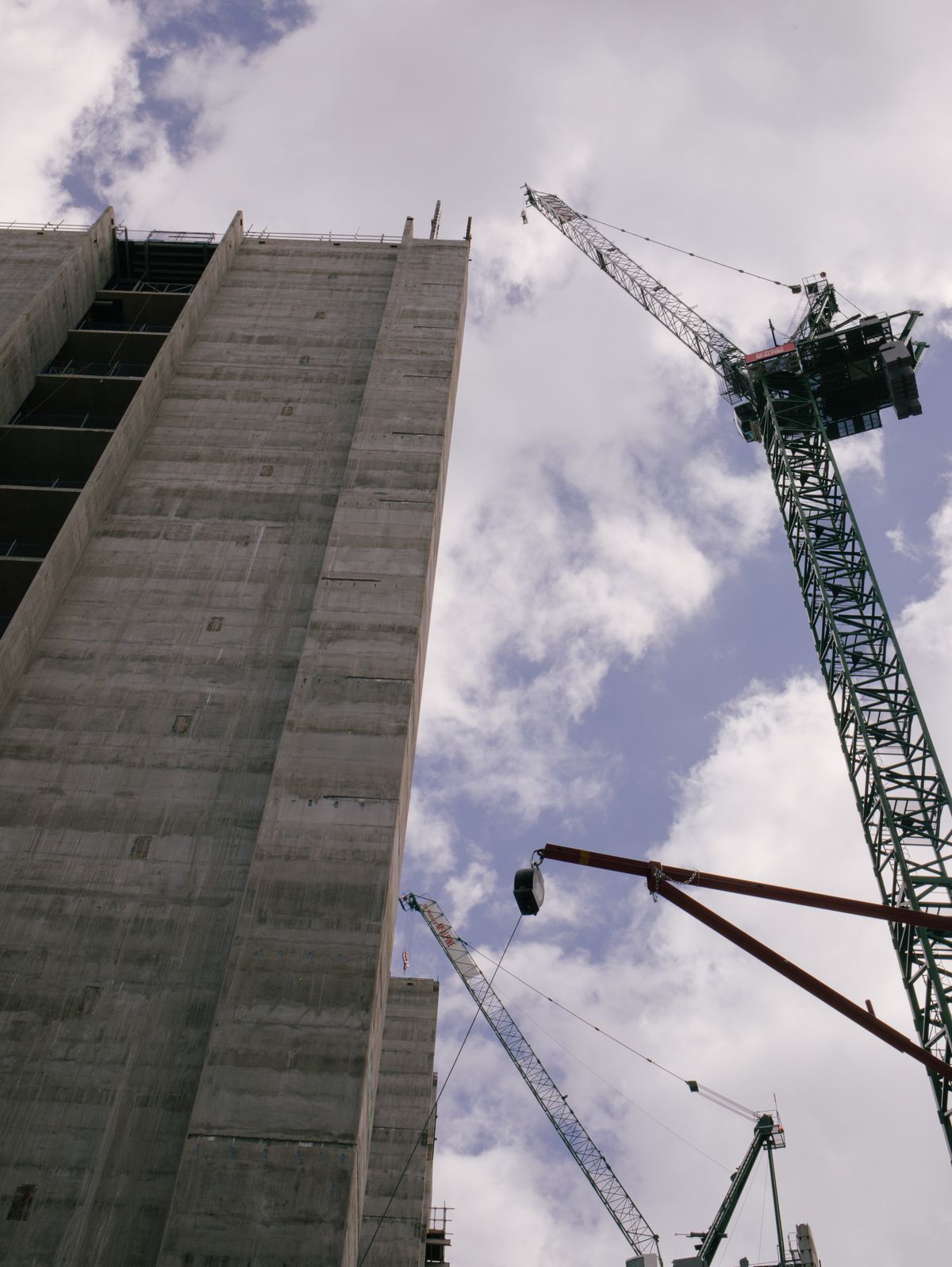
Where the infrastructure investment pipeline is deepest
Transport leads by volume: expressways, the North-South high-speed rail programme, ports and airport expansion. Energy follows – grid upgrades, LNG-to-power and the renewables build-out under the national power development plan. Industrial infrastructure – parks, logistics centres, water and waste treatment – offers smaller tickets with faster revenue, which is why many first-time investors start there. Digital infrastructure, from data centres to subsea cables, is the newest and least crowded lane.
Four entry routes for foreign infrastructure investment
1. PPP contracts with the state
Build-operate-transfer and its siblings under the PPP Law suit projects where the state controls the asset – roads, water, power transmission. Our PPP projects guide walks through the process from proposal to financial close.
2. Wholly-owned project companies
Industrial parks, logistics facilities, data centres and most renewable energy projects can be developed through a foreign-owned Vietnamese company holding the land and licences directly – the cleanest structure where the sector permits it.
3. Acquiring existing projects
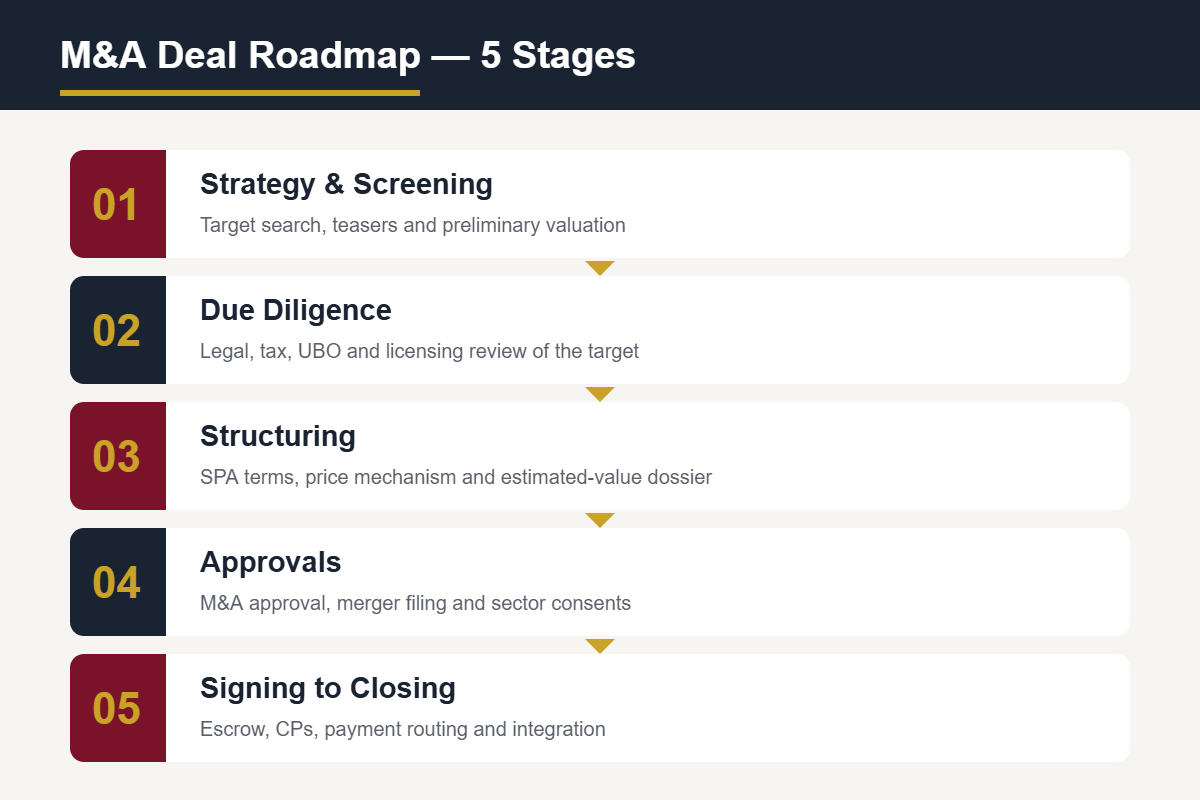
Buying into an operating or licensed project – a solar farm with a signed power purchase agreement, a park with tenants – trades development risk for price. Diligence on licences, land and offtake contracts is the entire game; the transaction mechanics follow our M&A playbooks.
4. Infrastructure debt and mezzanine
Lenders and funds increasingly enter through project bonds, mezzanine tranches and offshore loans secured on project cash flows – exposure to the sector without operating responsibility.
The legal frame in one paragraph
Infrastructure investment sits at the intersection of the Investment Law, the PPP Law, the Land Law and sector regulation – electricity, ports, telecoms. Most projects need an investment policy approval, land allocation or lease, construction permits and sector licences, in that order. The project advisory discipline is sequencing those approvals so finance, construction and revenue arrive in the right order; project finance counsel then builds the security package lenders can enforce. State master plans and budget allocations are published via the Ministry of Finance.
Infrastructure investment FAQs
What returns do infrastructure investment projects target?
Contracted-revenue assets – transmission, water, availability-payment PPPs – price like stable yield: high single digits. Demand-risk assets – toll roads, ports, merchant power – target low-to-mid teens to compensate for traffic and offtake risk. The spread between the two is the price of certainty.
What kills projects most often?
Land handover delays, grid or connection constraints, and tariff or offtake terms that lenders will not bank. All three are diligence questions answerable before capital commits – which is why experienced investors spend more on the first ninety days of infrastructure investment analysis than on the following year.

Structuring the infrastructure investment holding
Most institutional investors hold Vietnamese project companies through a regional holding vehicle, for three practical reasons. Treaty access: the holding jurisdiction shapes withholding on dividends and the tax on an eventual exit. Financing flexibility: shareholder loans booked offshore, registered properly through the direct investment account, give repatriation options that pure equity does not. And exit mechanics: selling the offshore holding transfers the project without re-running Vietnamese licensing – provided the structure was disclosed correctly at entry.
The structure must be built at entry. Vietnamese approvals record the investor chain, and restructuring it later triggers filings, tax questions and – in sensitive sectors – fresh scrutiny. A day of structuring advice before the first application routinely saves months at exit.
Currency planning belongs in the same conversation. Project revenue is almost always in dong; debt service and dividends rarely are. Contracted tariff adjustments, offshore accounts within the permitted frame, and hedging lines arranged with the project banks are the three standard mitigants, and lenders will ask about all three before term sheets firm up.
Reading a project’s bankability in one afternoon
Experienced counsel can triage a project quickly by asking five questions. Is the project inside the relevant master plan, by name rather than by category? Is the land instrument a state lease with clear compensation history, or an accumulation of private arrangements a lender cannot mortgage? Does the revenue contract adjust for inflation and currency, or does it assume both away? Who signed the government undertakings, and does that agency have the budget authority to honour them? And has any prior investor exited the project – if so, the reason is usually the answer to everything else. Projects that pass all five deserve full diligence; projects that fail two or more rarely justify the fees.
This article is provided for general information only and does not constitute legal advice for any specific case. Regulations may change – please consult a qualified professional before acting. Should further analysis be required, please contact one of our lawyers below.