
Vietnam Vessel Finance underpins the fleet expansion of the country’s shipping and logistics companies as Vietnam’s export-driven economy demands more maritime capacity for container, bulk, and specialized cargo transport.
Financing a vessel differs meaningfully from financing land-based equipment because ships are mobile, internationally registered assets subject to a distinct body of maritime law governing mortgages, liens, and arrest remedies.
Quick summary — Vietnam Vessel Finance:
- Vietnam Vessel Finance relies on ship mortgages registered with the Vietnam Maritime Administration as the primary security instrument.
- Maritime liens under Vietnam Vessel Finance can rank ahead of a registered mortgage, affecting lender priority in enforcement.
- Flag state selection significantly affects the legal framework governing Vietnam Vessel Finance security and enforcement.
1. The Ship Mortgage as Core Security in Vietnam Vessel Finance
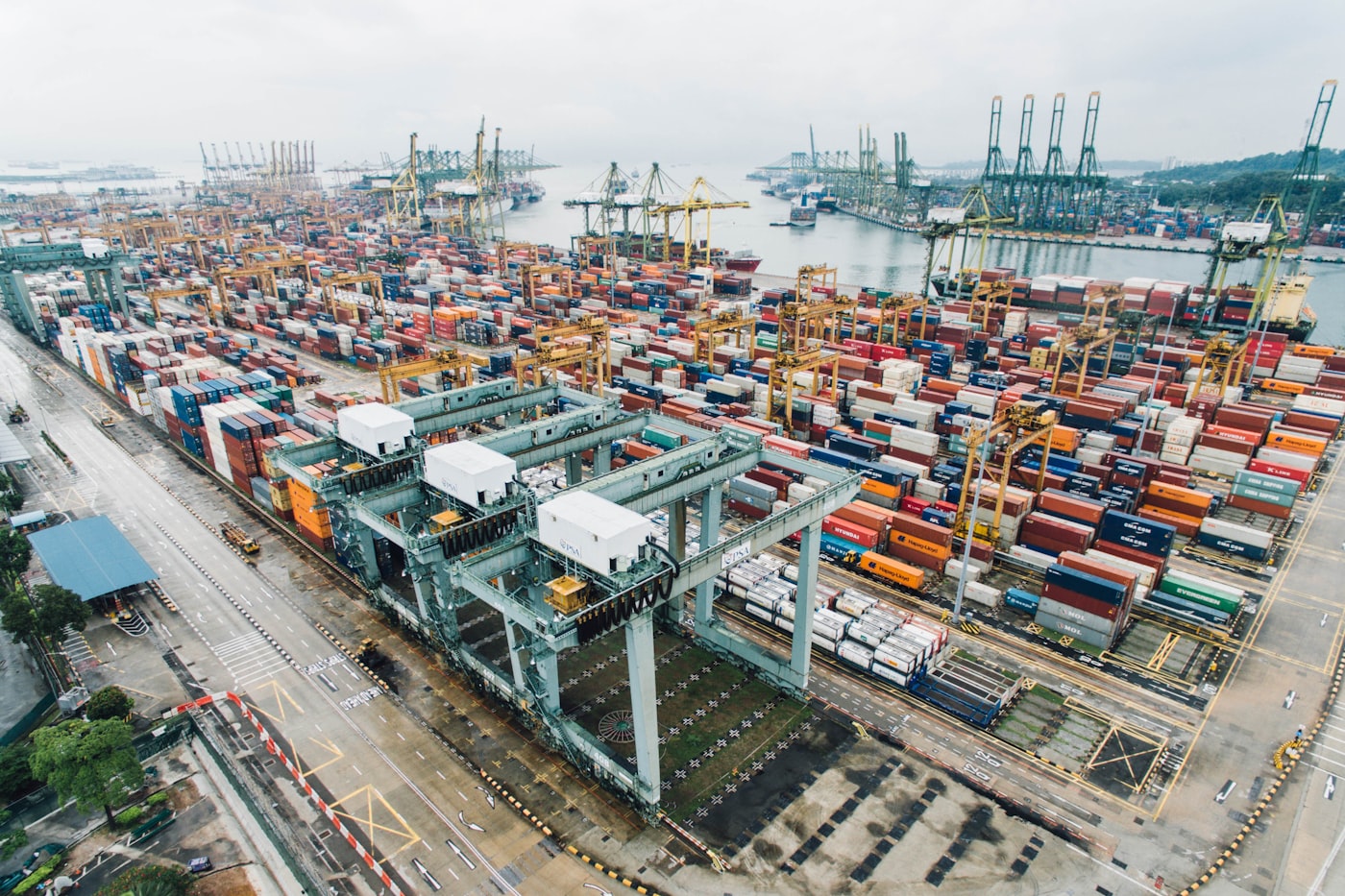
A registered ship mortgage is the primary security instrument in Vietnam Vessel Finance, granting the lender a proprietary interest in the vessel that is registered with the Vietnam Maritime Administration and, for internationally trading vessels, often recognized under international conventions governing mortgage priority across jurisdictions.
Because a vessel physically moves between ports and jurisdictions throughout its operating life, lenders require the mortgage to be enforceable not only in Vietnam but in the ports the vessel is likely to call at, making flag state and mortgage registration choices commercially significant.
2. Maritime Liens and Priority Over Mortgages
A distinctive feature of Vietnam Vessel Finance is that certain maritime liens — such as claims for crew wages, salvage, and collision damage — can rank ahead of a registered mortgage regardless of when the lien arose relative to the mortgage’s registration date, creating a priority risk that lenders must factor into their credit assessment.
Lenders typically require the borrower to maintain the vessel in a manner that minimizes the accrual of high-priority liens, and loan covenants commonly include representations regarding crew wage payment and insurance maintenance to reduce this risk.
3. Flag State Selection and Its Legal Consequences

Vietnamese ship owners financing vessels under Vietnam Vessel Finance structures must choose between flying the Vietnamese flag or registering under an open or international registry, a decision that affects applicable safety regulation, crewing requirements, tax treatment, and — critically for lenders — the legal framework governing mortgage enforcement and lien priority.
International registries often offer more internationally recognized mortgage enforcement mechanics, which can be a factor in a lender’s willingness to finance a vessel and the pricing offered.
4. Arrest and Enforcement Remedies
Vessel arrest — the in rem seizure of a ship to secure a maritime claim — is a distinctive enforcement remedy available to lenders and other maritime claimants under Vietnam Vessel Finance arrangements, allowing a creditor to detain a vessel in port pending resolution of a claim or satisfaction of a judgment.
Because arrest can occur in any jurisdiction where the vessel calls, lenders financing internationally trading vessels benefit from this global enforcement reach, though exercising it requires coordination with local maritime counsel in the port where the vessel is located.
5. Charter Assignment and Revenue Security

Beyond the vessel itself, Vietnam Vessel Finance lenders typically require an assignment of earnings under any charter party or freight contracts, along with an assignment of insurance proceeds, to ensure lenders have a claim on the vessel’s revenue stream and insurance recoveries in addition to the underlying asset.
Coordinating these assignments with the charter party’s own assignment restrictions and any existing pledges is an important due diligence step before financial close.
6. Practical Lessons for Structuring Vietnam Vessel Finance
Shipowners and lenders negotiating Vietnam Vessel Finance should confirm the vessel’s flag state and mortgage registration mechanics support cross-border enforcement in the vessel’s likely trading routes, build loan covenants addressing crew wage payment and lien avoidance, and ensure charter and insurance assignments are properly perfected and consistent with the vessel’s actual commercial deployment.
Frequently Asked Questions
What is a ship mortgage and how does it work?
A ship mortgage is a registered security interest granting the lender a proprietary claim over the vessel, typically registered with the relevant maritime authority and recognized across jurisdictions under international conventions.
Can maritime liens outrank a registered mortgage?
Yes, certain maritime liens such as crew wage claims and salvage claims can rank ahead of a registered mortgage regardless of timing, which is a key priority risk lenders must assess.
Why does flag state selection matter for vessel financing?
Flag state affects applicable safety regulation, crewing requirements, tax treatment, and the legal framework governing mortgage enforcement and lien priority, all of which influence lender terms.
For related structuring analysis, see our article on Vietnam JOLCO Financing: 4 Proven Leveraged Lease Insights. For international maritime finance standards, see the International Maritime Organization.
This article is provided for general information only and does not constitute legal advice for any specific case. Regulations may change – please consult a qualified professional before acting. Should further analysis be required, please contact one of our lawyers below.