
Vietnam Renewable Project Finance structures now underpin the majority of new solar and wind capacity reaching financial close in the country, as sponsors and lenders move away from balance-sheet funding toward dedicated non-recourse special purpose vehicles.
For a foreign or domestic developer negotiating a power purchase agreement with Vietnam Electricity (EVN), the choice of financing structure determines whether construction-period risk, currency risk, and offtake risk sit with the sponsor group or are ring-fenced inside the project company.
Quick summary — Vietnam Renewable Project Finance:
- Vietnam Renewable Project Finance relies on a ring-fenced SPV, a security package over project assets and contracts, and a lender-approved cash waterfall.
- Non-recourse Vietnam Renewable Project Finance depends on a bankable PPA, a technically sound EPC contract, and DSCR headroom acceptable to international lenders.
- Foreign lenders assessing Vietnam Renewable Project Finance deals focus on FX convertibility, land-use rights, and the enforceability of security under the 2005 Investment Law framework and its successors.
1. Why Vietnam Renewable Project Finance Uses Non-Recourse Structures
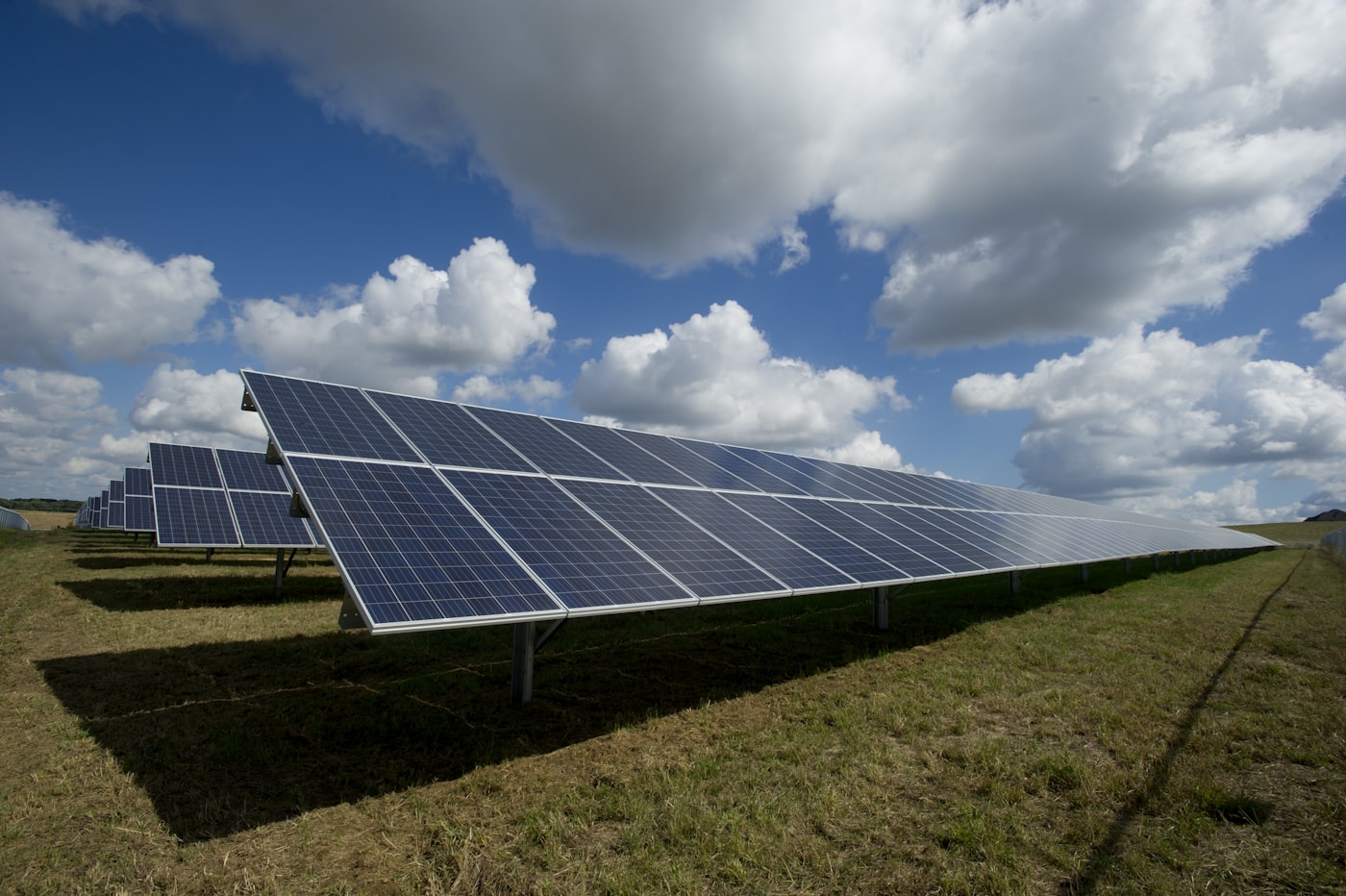
A non-recourse structure isolates project risk inside a single-purpose company so that lenders’ recourse is limited to the project’s assets, contracts, and cash flows rather than the sponsor’s broader balance sheet.
In Vietnam Renewable Project Finance transactions, this typically means incorporating a joint-stock company or limited liability company dedicated solely to the solar or wind asset, holding the land-use rights, construction permits, grid-connection agreement, and the PPA with EVN. Sponsors accept a lower leverage ratio and a more intensive due diligence process in exchange for keeping project debt off their consolidated balance sheet and capping downside exposure at their equity contribution.
2. Core Contractual Package Supporting the Financing
Lenders financing Vietnamese renewable assets require a coherent contractual chain: an EPC contract with liquidated damages for delay and performance shortfalls, an O&M agreement with availability guarantees, the PPA setting tariff and curtailment terms, and land-use or lease documentation confirming the project company’s right to occupy the site for the debt tenor plus a buffer.
Any gap in this chain — for example, a land-use certificate that expires before loan maturity — becomes a condition precedent that must be remedied before drawdown, and lenders will typically require legal opinions on enforceability from Vietnamese counsel alongside their own international counsel’s review.
3. Security Package and Enforcement Considerations

The security package in a Vietnam Renewable Project Finance deal usually includes a mortgage over the project assets, an assignment of receivables under the PPA, a pledge over the project company’s shares, and account control agreements over the project’s revenue and reserve accounts.
Because direct mortgages over land-use rights and certain enforcement mechanics remain more restrictive for foreign lenders than in mature project finance markets, many transactions route security enforcement through a domestic security agent or use a share-pledge-heavy structure that allows a change of control without triggering the full complexity of asset-level enforcement under Vietnamese law.
4. Cash Flow Waterfall and Debt Service Coverage
Once revenue begins flowing under the PPA, the financing documents impose a strict cash waterfall: operating expenses and reserve top-ups are funded first, followed by scheduled debt service, then a debt service reserve account, and only after all senior obligations are satisfied can the project company make dividend distributions to sponsors.
Lenders typically require a minimum historical and projected debt service coverage ratio (DSCR) — commonly in the 1.2x to 1.35x range for renewable assets with contracted revenue — before permitting any distribution, and a breach triggers a cash sweep or distribution lock-up rather than immediate default.
5. Currency, Tariff, and Curtailment Risk Allocation

Because EVN’s PPA payments are typically denominated in Vietnamese dong while project debt is often raised in US dollars from international lenders, FX risk allocation is a central negotiation point.
Sponsors and lenders must agree how currency conversion mechanics, tariff adjustment formulas, and curtailment compensation (where the grid operator reduces offtake for technical reasons) interact with debt service projections, since an unfavorable FX movement or an extended curtailment period without adequate compensation can quickly erode the DSCR headroom built into the financial model.
6. Practical Lessons for Sponsors Structuring Vietnam Renewable Project Finance
Sponsors preparing to raise Vietnam Renewable Project Finance debt should engage lenders early on the land-use and permitting timeline, since delays here are the most common cause of missed financial close dates.
Building a robust base-case financial model with conservative curtailment and FX assumptions, securing firm EPC pricing before syndication, and confirming the security package’s enforceability with local counsel before signing term sheets all reduce the risk of renegotiation during the credit approval process.
Frequently Asked Questions
What DSCR do lenders typically require for Vietnamese solar and wind projects?
Most international and domestic lenders target a minimum DSCR of 1.2x to 1.35x across the debt tenor, with higher thresholds for projects carrying material curtailment or merchant price risk.
Can foreign lenders take direct security over land-use rights in Vietnam?
Foreign lenders face practical restrictions on direct land mortgages, which is why many Vietnam Renewable Project Finance deals rely more heavily on share pledges, receivables assignments, and account control agreements.
How does curtailment risk affect financing terms?
Extended or uncompensated curtailment reduces projected revenue and can breach DSCR covenants, so financing documents typically require curtailment compensation mechanics to be reflected in the base-case model.
For sponsors comparing financing structures across sectors, see our related analysis of Project Finance Vietnam: 4 Critical Structuring Keys. For international context on renewable project bankability standards, see the IEA Renewable Energy Market Update.
This article is provided for general information only and does not constitute legal advice for any specific case. Regulations may change – please consult a qualified professional before acting. Should further analysis be required, please contact one of our lawyers below.