Term sheet negotiation decides the shape of a Vietnamese transaction long before the lawyers draft anything. Almost everything that later becomes contentious – what is being bought, how the price is calculated, who carries which risk, and how long the buyer has exclusivity – is either settled or left dangerously vague at this stage.
The document is short, which is why it is underestimated. A good document describes the price as a mechanism rather than a number, records the assumptions the price rests on, allocates diligence access, and states clearly which provisions are binding. A weak one records a headline figure and leaves the rest to goodwill, and goodwill is what disappears when diligence produces its first bad finding.

The document fixes the shape of the deal, not just the price. Photo: Pexels.
A Vietnam M&A term sheet should do more than record an indicative price. It should align the parties on structure, valuation assumptions, exclusivity, diligence, approvals and risk allocation before they invest heavily in definitive documents.
This guide identifies the terms buyers and sellers should negotiate before final pricing and explains which points should remain flexible until due diligence is complete.
Why the term sheet decides the deal
A vague term sheet can create false agreement. Each party may attach a different meaning to price, cash, debt, working capital, conditions or control. Clarifying these issues early saves time and reduces leverage disputes later.
1. Define the transaction perimeter
State whether the buyer will acquire shares, assets, a business division or a combination. Identify the target entities, percentage, excluded assets, retained liabilities and any pre-closing restructuring.
2. Describe the price as a mechanism
An indicative headline number is insufficient. Specify whether valuation is cash-free and debt-free, what working capital is assumed, whether completion accounts or a locked-box applies, and which items are treated as debt-like.
A headline number without a mechanism is the single most common defect in a term sheet. State whether the price is on a cash-free, debt-free basis, what working capital level is assumed and how it will be measured, whether the structure is completion accounts or locked box, and if locked box, the accounts date and what counts as permitted leakage. Two parties can agree the same number and still be a long way apart on what it means once these questions are asked.
3. Record key valuation assumptions
List the earnings period, accounting basis, forecast assumptions, customer or licence dependencies and required capital expenditure supporting the offer. State that pricing remains subject to verification.
The assumptions are what make a later price conversation possible. Record the earnings figure and period the multiple was applied to, the adjustments already agreed for non-recurring items, the assumed net debt position, the licences and contracts assumed to be valid and transferable, and any assumption about the retention of key people or customers. If diligence disproves one of those assumptions, the term sheet itself shows why the price moves, which is far more persuasive than a renegotiation raised for the first time at the end.
4. Address earn-outs and deferred consideration
Set the proposed amount, period, metrics, payment timing and basic operating protections. Avoid leaving essential economic terms to later drafting.
5. Allocate due diligence scope and access
Identify legal, financial, tax, commercial, technology, data and environmental workstreams. Set expectations for management access, site visits, data-room completeness and adviser cooperation.
6. Define conditions to signing and closing
Identify required internal approvals, foreign-investment approval, merger control, lender consent, third-party consent and remediation. Distinguish conditions required before signing from those satisfied before closing.
7. Negotiate exclusivity carefully
Define duration, prohibited discussions, permitted conduct, adviser obligations, existing approaches and remedies. Exclusivity should match the buyer’s diligence timetable and the seller’s need for deal certainty.
8. Protect confidentiality and announcements
Incorporate or reference a confidentiality agreement. Address permitted recipients, financing sources, regulatory disclosure, employee communications and public announcements.
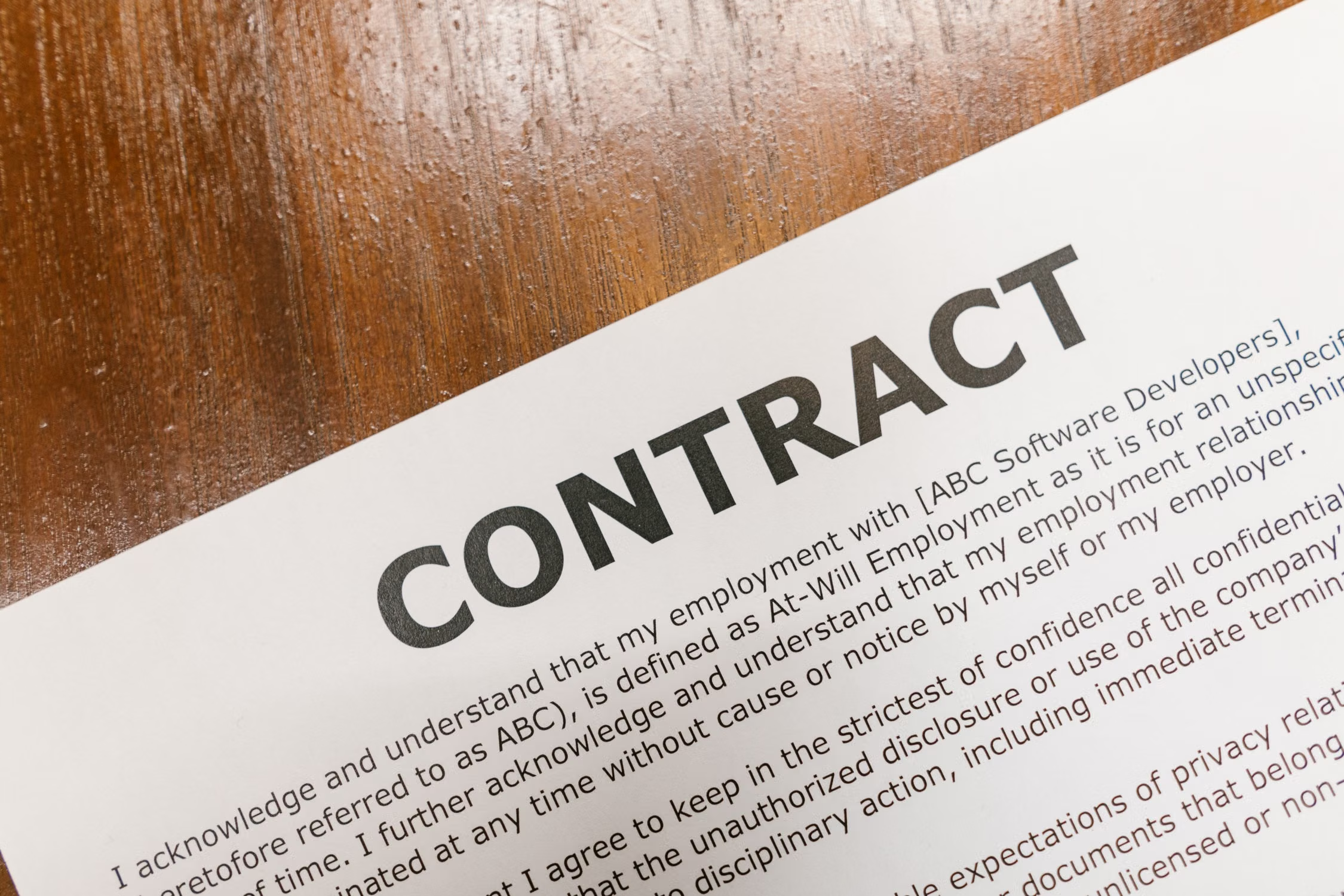
Price should be expressed as a mechanism with stated assumptions. Photo: Pexels.
9. Set governance expectations
For a minority or staged acquisition, outline board seats, reserved matters, information rights, transfer restrictions, anti-dilution protection and exit arrangements.
10. Identify seller liability principles
Record whether the definitive agreement is expected to include warranties, tax protection, specific indemnities, escrow, holdback or warranty insurance. Detailed caps and baskets may follow diligence, but fundamental expectations should be visible.
11. Address conduct before closing
Restrict extraordinary dividends, debt, related-party transactions, asset disposals, material contracts and changes to key employees. Preserve ordinary business while respecting operational flexibility.
12. Set governing law and dispute process
Identify the proposed governing law, negotiation or mediation steps, arbitration rules, seat and language. Ensure the arrangement fits the parties and transaction structure.
13. Clarify binding and non-binding provisions
State which clauses are legally binding. Confidentiality, exclusivity, costs, governing law and announcements are often binding even when price and the obligation to complete are not.
Separate the two expressly rather than relying on a general statement of intent. In a Vietnamese term sheet the binding provisions are normally exclusivity, confidentiality, costs, announcements, governing law and dispute resolution; everything commercial remains subject to contract and to diligence. Say so in a dedicated clause, because Vietnamese law recognises pre-contractual obligations of good faith and a document that reads as a complete agreement on price and structure can attract argument about whether it was intended to bind.
14. Establish timetable and responsibility

Set target dates for data-room access, diligence completion, first drafts, approvals, signing and closing. Assign responsibility for major deliverables and define how delays affect exclusivity.
Common term sheet mistakes
- Agreeing headline price without a purchase-price mechanism.
- Leaving the transaction perimeter unclear.
- Accepting exclusivity without access and timetable commitments.
- Treating regulatory approvals as a later drafting issue.
- Describing an earn-out without metrics or operating rules.
- Failing to identify which provisions are binding.
- Ignoring minority governance and exit rights.
- Using a detailed term sheet that prematurely locks in unverified assumptions.
Using diligence to revise the term sheet
The term sheet should permit the buyer to revisit price and structure when evidence changes assumptions. Findings may lead to a lower price, deferred payment, specific indemnity or condition precedent, following the principles for turning diligence into protection.
Conclusion
A strong term sheet creates disciplined alignment without pretending the definitive deal is complete. It should define the commercial architecture, preserve flexibility for diligence and provide a workable route to signing and closing.
Frequently asked questions about term sheet
Is a term sheet legally binding in Vietnam?
Only in part, and only if it says so. The commercial terms are normally expressed to be subject to contract, while exclusivity, confidentiality, costs, announcements and the dispute clause are intended to bind. Vietnamese law recognises obligations of good faith in negotiation, so a document that reads like a concluded bargain can create argument. A clear clause identifying exactly which paragraphs are binding removes the issue.
What should the term sheet say about the price?
It should describe a mechanism, not just a figure: the basis of the valuation, whether it is cash-free and debt-free, the assumed working capital and how it will be measured, the structure of any deferred consideration or earn-out and the metrics used, and the treatment of any deposit. It should also state the assumptions on which the number was calculated so that both sides know what would justify revisiting it.
How much detail should a term sheet contain on liability?
Enough to prevent surprise later: the expected scope of warranties, the survival periods for general, tax and fundamental claims, an indicative cap, whether specific indemnities are anticipated for identified risks, and whether escrow, retention or warranty insurance is expected to support them. Leaving liability entirely to the definitive agreement is the most common cause of a stalled negotiation two months later.
Should exclusivity be granted in the term sheet?
Usually yes, but conditionally. Tie the exclusive period to a workplan with dated milestones, require evidence that the buyer can fund the transaction, and provide for automatic termination if the buyer withdraws or reduces its indicative price other than on the basis of a specific diligence finding. An unconditional exclusive period gives the buyer a free option over the seller’s business.
Who prepares the term sheet?
Either side may, and there is an advantage in drafting first because the structure of the document frames the negotiation. In Vietnamese transactions the buyer usually prepares it where the process is bilateral, while in an auction the seller’s adviser issues a process letter and a form of term sheet for bidders to mark up, which makes the offers comparable.
Next step
Before signing, read the term sheet against three questions: what exactly is being bought, how the price would change if an assumption fails, and which paragraphs bind. Then confirm the approvals the structure will require, including the corporate resolutions and registration steps under the Law on Enterprises, so the timetable in the document is achievable.
IVLF Lawyer drafts and negotiates term sheets for foreign buyers and Vietnamese sellers, and converts them into enforceable transaction documents. An experienced Vietnam M&A lawyer at this stage saves far more than it costs. See our legal services or contact IVLF Lawyer.
Related reading: Negotiating exclusivity without losing strategic alternatives, Confidentiality agreements in Vietnam M&A transactions, and Using due diligence findings to revise an acquisition offer.
This article is provided for general information only and does not constitute legal advice for any specific case. Regulations may change – please consult a qualified professional before acting. Should further analysis be required, please contact one of our lawyers below.