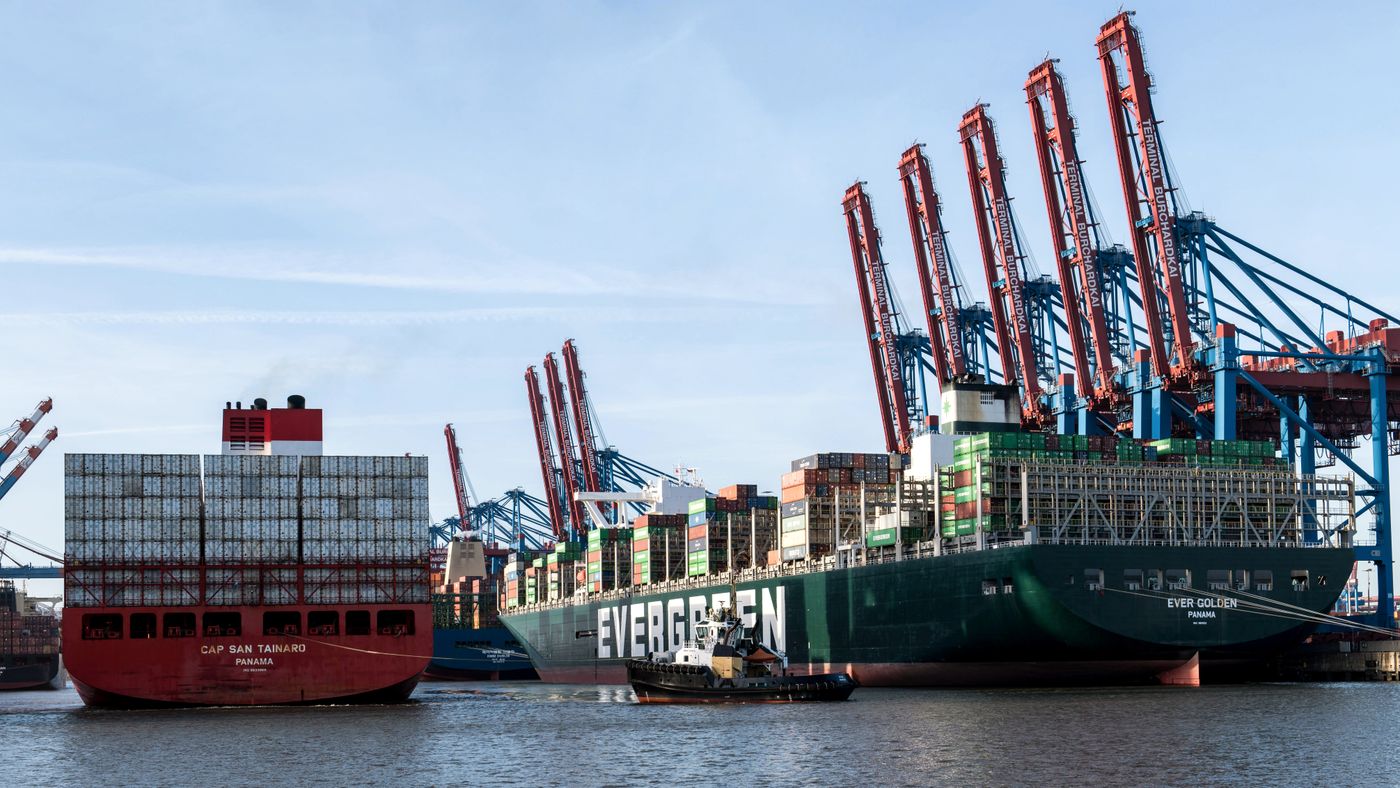
A buyer who treats a shipping company acquisition Vietnam as an ordinary share purchase usually discovers, after closing, that the real value sat somewhere else: in the flag and class status of the vessels, in the charters that may not survive a change of control, in the mortgages that never moved, and in a tax bill that depends on how the deal was built. Ships are mobile, heavily financed and exposed to liabilities that travel with them. The price on the term sheet is only as good as the diligence, the structure and the protections behind it.
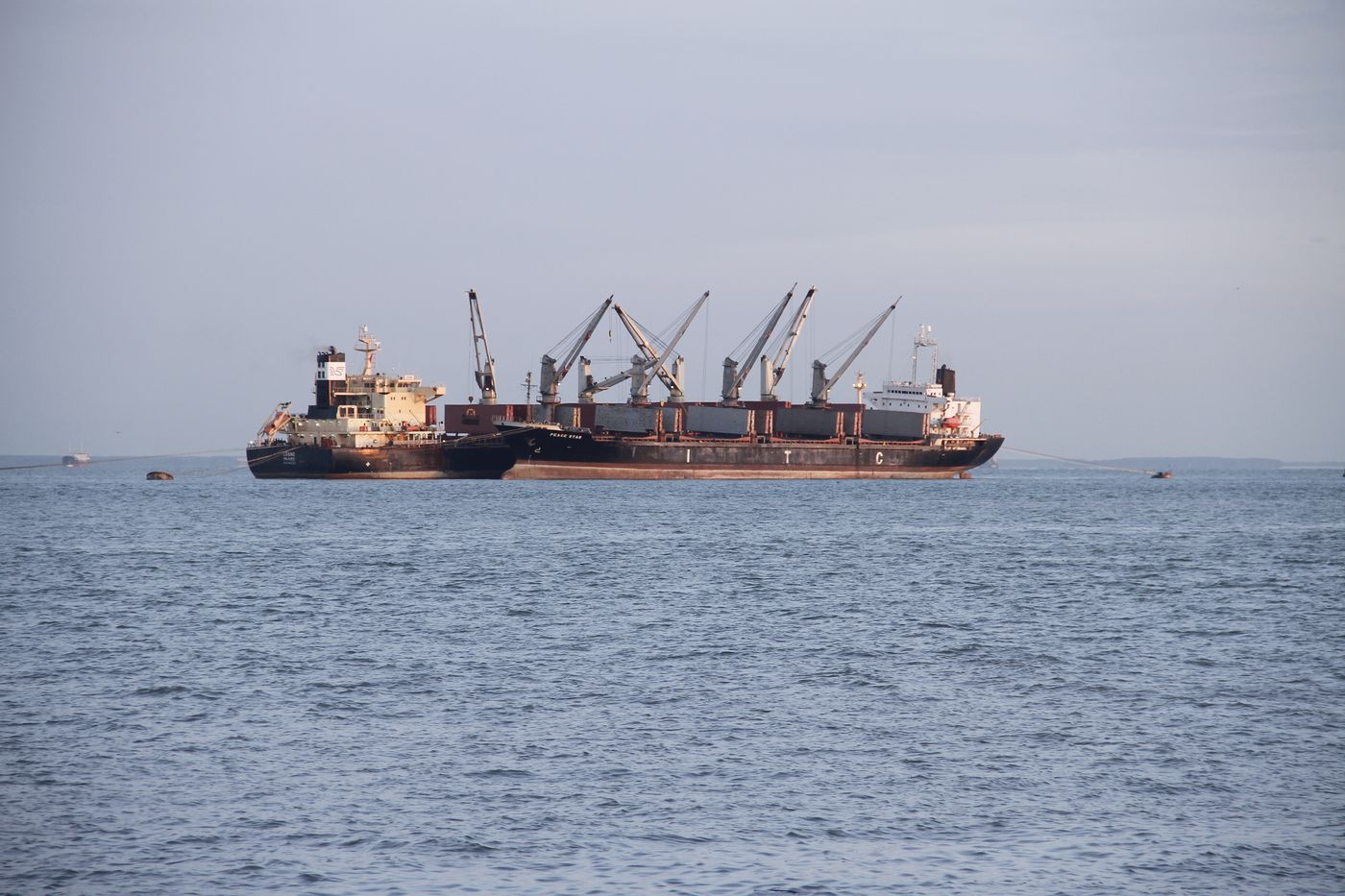
This article sets out how decision-makers should choose between buying shares and buying vessels, where approvals and ownership restrictions can stop a deal, what a shipping-specific diligence list must cover, and how to protect the price after signing. It is written for buyers, sellers, lenders and in-house counsel.
Table of Contents
- Structuring a shipping company acquisition Vietnam: share deal or vessel deal
- Foreign ownership limits and regulatory approvals
- M&A due diligence shipping: the checklist that matters
- Vessel transfer tax and deal economics
- Ship valuation and price protection
- Hypothetical scenario: a mid-sized bulk operator
- Conclusion and next action
- FAQ: quick answers
Structuring a shipping company acquisition Vietnam: share deal or vessel deal
The first decision is what you are actually buying. In a share purchase you acquire the company, with every asset and every liability, known or unknown. In a vessel (asset) purchase you acquire a defined ship, ideally free of encumbrances, and leave the company and its history behind.
Neither route is automatically better. The right answer depends on how clean the target is, how many ships it owns, and whether the commercial contracts follow the company or the vessel.
Share purchase shipowner: what travels with the company
A share purchase shipowner transaction is attractive when the target holds several ships, valuable employment contracts, licences and crew arrangements that would be slow to rebuild. It can also avoid re-registering each vessel, although a change of control may still trigger notifications or consents under finance and charter documents.
The price of that convenience is inherited exposure. Unpaid crew wages, cargo claims, collision liabilities, pollution claims, tax assessments and disputes with port or pilotage providers stay with the company. Many maritime claims also attach to the ship itself, so a vessel can be pursued even when ownership of its shares has changed.
Vessel purchase: a cleaner asset, a heavier process
A vessel purchase isolates the ship, which suits buyers who want one or two units or who distrust the seller’s corporate history. It is typically documented on an industry-standard memorandum of agreement, for example a BIMCO SALEFORM-style document, which is English-law market practice and not a Vietnamese statutory form.
For a seagoing vessel on the Vietnamese register, the transfer must be reflected in registration. The verified baseline is Decree 171/2016/NĐ-CP on registration, deregistration, purchase, sale and building of seagoing vessels, as amended by Decree 247/2025/NĐ-CP effective 30 October 2025. Confirm current forms and processing practice before fixing a closing timetable .
A vessel purchase also needs a clean deletion or release of mortgages, a delivery protocol, class and statutory certificates, and an agreed position on bunkers, stores and lubricants on board.
| Issue | Share deal | Vessel deal | Risk |
|---|---|---|---|
| Historic liabilities | Stay with the company; buyer inherits | Mostly left with seller, but ship-attaching claims need checking | High for share deal |
| Employment contracts and licences | Continue, subject to change-of-control clauses | Need assignment or re-negotiation | Medium |
| Registration steps | Fewer, unless the finance or flag documents require updates | Transfer and registration for each vessel | Medium |
| Tax profile | Gain on shares; tax attributes of company stay | Gain and indirect taxes on each vessel sale | High if not modelled |
| Speed and cost | Often faster for fleets | Slower per ship, simpler per ship | Low to Medium |
Considering a fleet or vessel acquisition? IVLF can carry out a confidential preliminary review of your proposed structure, under NDA, before you commit to a term sheet or exclusivity.
Hybrid structures in a shipping company acquisition Vietnam
Buyers often combine the routes: the target first transfers selected vessels into a clean special-purpose company, and the buyer then acquires that company. This ring-fences liabilities, but it adds a transfer step and its own tax cost, and lenders must consent. Model both before choosing.
Foreign ownership limits and regulatory approvals
In any shipping company acquisition Vietnam investors consider, foreign ownership limits are the issue most likely to reshape the transaction. Whether a foreign buyer can hold a controlling stake in a company that owns Vietnamese-flagged vessels or provides shipping services depends on market-access commitments, sector conditions and the licences the target holds. Do not assume that a stake permitted in one sector is permitted in shipping.
The verified instruments to start from are Decree 160/2016/NĐ-CP on conditions for shipping business, ship agency and towage services, whose consolidated text was published by the Vietnam Maritime and Waterway Administration on 30 September 2026 (it incorporates changes introduced by Decree 14/2026/NĐ-CP), and Decree 58/2017/NĐ-CP on maritime activity management, as amended. The exact foreign-ownership percentages, and whether a given activity is open, restricted or conditional, must be confirmed .
Approvals that can sit in the critical path
- Investment registration or amendment steps for a foreign acquirer, where applicable .
- Competition or economic-concentration filing, if market-share or turnover thresholds are met. The thresholds must be checked against current law.
- Notification to or consent from the flag administration where a licence, registration or operating condition depends on the owner’s identity.
- Lender consent under facility agreements and mortgages, usually triggered by change of control.
- Counterparty consent under charters, contracts of affreightment and port or terminal agreements.
The practical rule: map every approval against the long-stop date in the sale agreement. If an approval is outside the parties’ control, a long-stop date without extension rights hands the seller a free option.
Nominee and trust structures
Where a foreign buyer wants to sidestep ownership restrictions through nominees, the risk is not only regulatory. The arrangement may be unenforceable, may jeopardise licences and flag status, and can collapse in a dispute or insolvency. Treat any such proposal as a red flag requiring specialist review.
M&A due diligence shipping: the checklist that matters
General corporate diligence will not find the problems that destroy shipping value. M&A due diligence shipping must follow the ship as well as the company, and it must be sequenced so that the expensive technical work only happens once the legal gating items are clear.
Title, registration and encumbrances
- Registration certificate, form of registration and any limits on its validity, checked against the register and not only the seller’s copy.
- Bills of sale and the chain of title back to the builder or last arm’s-length purchase.
- Mortgages, charges, assignments of insurance and earnings, and any arrest or enforcement history.
- Ship age and any age-related operating or financing restriction. Age rules were addressed in Decree 247/2025/NĐ-CP, and their application to a specific vessel should be confirmed .
Class, statutory compliance and safety management
- Class status, outstanding conditions of class and survey due dates.
- ISM, SOLAS and MARPOL certification and the ISM manager’s record, including detentions and port state control history.
- MLC 2006 certificates, crew contracts, wage arrears and repatriation obligations.
- Pollution liability cover and the existence of any environmental incident or investigation.
Commercial contracts and insurance
- Charterparties and contracts of affreightment: change-of-control, assignment and termination clauses, and any off-hire or performance disputes.
- Hull and machinery, P&I and war risk cover: the insurer, the club, calls paid, claims history, and whether cover continues after transfer.
- Pending cargo, collision, salvage or general average claims, and the time bars that may still be open.
- Our related analysis on SPA warranties, indemnities and W&I insurance may help structure the contract review.
Corporate, tax and regulatory
- Shipping business licences and the conditions attached to them.
- Tax returns, assessments, audits, intercompany loans and transfer pricing with offshore owning or managing entities.
- Litigation, arbitration and enforcement exposure, including under the New York Convention for foreign awards.
- Related-party arrangements: management agreements, commissions and fees paid to affiliates.
Takeaway: if title, encumbrance and flag or licence issues are unresolved, delay the technical inspection. Inspect only what you are legally able to buy.

Vessel transfer tax and deal economics
In a shipping company acquisition Vietnam buyers should run the vessel transfer tax analysis before price is agreed, not after. The tax result differs by structure: a sale of shares usually produces a gain at shareholder level, while a sale of a vessel produces a gain at company level and may carry indirect tax and registration charges.
The right treatment depends on the residence of the seller, whether the sale is of shares in a Vietnamese company or an offshore holding company, any applicable tax treaty, and the characterisation of the vessel as fixed asset or trading stock. The specific rates, exemptions and filing deadlines must be confirmed against current tax instruments .
Points to model
- Seller-level tax on shares versus on the vessel, and who bears it under a gross-up or net-price clause.
- Indirect tax and registration charges on a vessel transfer, including on any deletion and re-registration.
- Loss of tax attributes, including accumulated losses and incentives, after a change of control.
- Withholding on deferred consideration, earn-outs and seller financing.
- Cross-border cash movement: the route and timing for paying the price and later repatriating profits.
| Issue | Legal position | Commercial impact | Risk | Mitigation |
|---|---|---|---|---|
| Tax on seller’s gain | Differs by share or vessel route; confirm with tax advice | Price may be re-cut late | High | Tax model in term sheet; tax indemnity |
| Indirect tax on vessel | Depends on characterisation and current rules | Cash cost at closing | Medium | Advance ruling or authority confirmation where available |
| Hidden tax assessments | Stay with company in share deal | Post-closing claim | High | Specific indemnity, retention or escrow |
| Payment route | Cross-border payments subject to foreign exchange rules | Delay or non-completion | Medium | Agree route and evidence in conditions precedent |
Ship valuation and price protection
Ship valuation is where negotiators lose leverage. A broker valuation is an opinion at a date, not a guarantee, and values can move with freight rates, interest rates, scrapping prices and regulatory developments. The more the deal depends on the vessel, the more the contract must protect the buyer against drift between signing and delivery.
Making the valuation usable
- Obtain at least two independent desktop valuations and, for material tonnage, an inspection-based valuation.
- State the basis of value: charter-free, charter-attached or going-concern, and with or without drydock due.
- Reconcile the vessel valuation with the enterprise value so that employment contracts are not paid for twice.
Contract protections
- Conditions precedent: approvals, lender consents, delivery of unencumbered title and class clean-out.
- Warranties and indemnities: title, no undisclosed liens, compliance, tax and claims. Specific indemnities for known risks are stronger than general warranties.
- Retention or escrow: hold back part of the price for a defined claims period, tied to the time bars for cargo, crew and pollution claims.
- Interim covenants: no new borrowing, no change of charters, no sale of vessels and maintenance of insurance between signing and closing.
- Price adjustment: for bunkers and stores on board, for working capital in a share deal, and for a defined deterioration in condition.
- Termination rights: for casualty, total loss, arrest and loss of class before delivery.
Where the buyer relies on seller covenants, consider a parent or bank guarantee. A warranty from a single-ship company that distributes proceeds and is dissolved has little value.
Hypothetical scenario: a mid-sized bulk operator
Hypothetical scenario. The assumptions below are invented for illustration and do not describe any real client or transaction.
- A foreign investor wants to buy a Vietnamese company owning three bulk carriers, each mortgaged to a different lender.
- One vessel is on a long-term time charter containing a change-of-control termination right.
- The seller proposes a share purchase to complete in six weeks.
The diligence shows two issues: a lender consent requirement on one facility, and a pending cargo claim on the oldest vessel. The investor has three options.
- Full share purchase. Fastest, but the investor inherits the cargo claim and the charterer’s termination right unless both are covered by an indemnity and a waiver.
- Selective vessel purchase. Buy the two cleaner ships, leaving the claim with the seller. The investor accepts more registration steps and tax cost.
- Staged share purchase. Sign now, with completion conditional on lender consent, the charterer waiver and foreign-ownership confirmation , with an escrow sized to the open claim.
The best result usually comes from the third route: it keeps the speed of a share deal while converting each discovered risk into a condition, a price mechanism or an indemnity.
Conclusion and next action
A successful shipping company acquisition Vietnam depends on four early decisions: share or vessel structure, ownership and approval path, tax model, and a price protected by conditions, retentions and indemnities. Fix these before the term sheet hardens into exclusivity.
Next action: assemble a one-page deal map listing each vessel, its lender, its charter, its flag or licence status and the approvals needed, then test it against the long-stop date. If you would like a second pair of eyes, the maritime legislative context is also evolving, as discussed in our note on the foreign ownership limits before signing. For official texts and consolidated instruments, check the Government legal document portal, and for market-standard documents see BIMCO.
Frequently Asked Questions
Is a share deal or a vessel deal better in a shipping company acquisition Vietnam?
Neither is better in every case. Share deals suit fleets and contract-heavy targets but inherit liabilities. Vessel deals isolate assets but add registration and tax steps. Choose after diligence and tax modelling.
Can foreigners buy a Vietnamese shipowner?
It depends on sector conditions, licences and ownership limits for the specific activity. Confirm the position with current rules and the competent authority before signing .
Which approvals commonly delay these deals?
Lender consents, charterer waivers, investment or licence amendments and any merger filing are the usual items. List each against the long-stop date at term-sheet stage.
How should a buyer protect the price?
Use conditions precedent, specific indemnities, a retention or escrow, interim covenants and termination rights for casualty or arrest. Back warranties with a creditworthy guarantor.
Is a broker valuation enough?
No. It is an opinion at a point in time. Obtain independent valuations, state the basis of value, and add price adjustments for condition and bunkers.
This article provides general information as of 14 October 2026 and is not legal advice for a specific matter. Laws, regulations and authority practice may change; obtain advice on your facts before acting.
Or contact us directly:
Contact IVLF LawyerCompany Formation Services – IVLF Advisors
This article is provided for general information only and does not constitute legal advice for any specific case. Regulations may change – please consult a qualified professional before acting. Should further analysis be required, please contact one of our lawyers below.