
A newbuilding is the only major asset a shipowner pays for before it exists. For two or three years the buyer funds a yard in instalments against steel that it does not own, relies on a bank guarantee it has probably not read closely, and hopes the delivery date holds. A shipbuilding contract Vietnam owners sign, or one signed with a foreign yard for a Vietnamese-owned vessel, must therefore answer one question above all others: what happens to the money if the ship is late, defective or never finished?
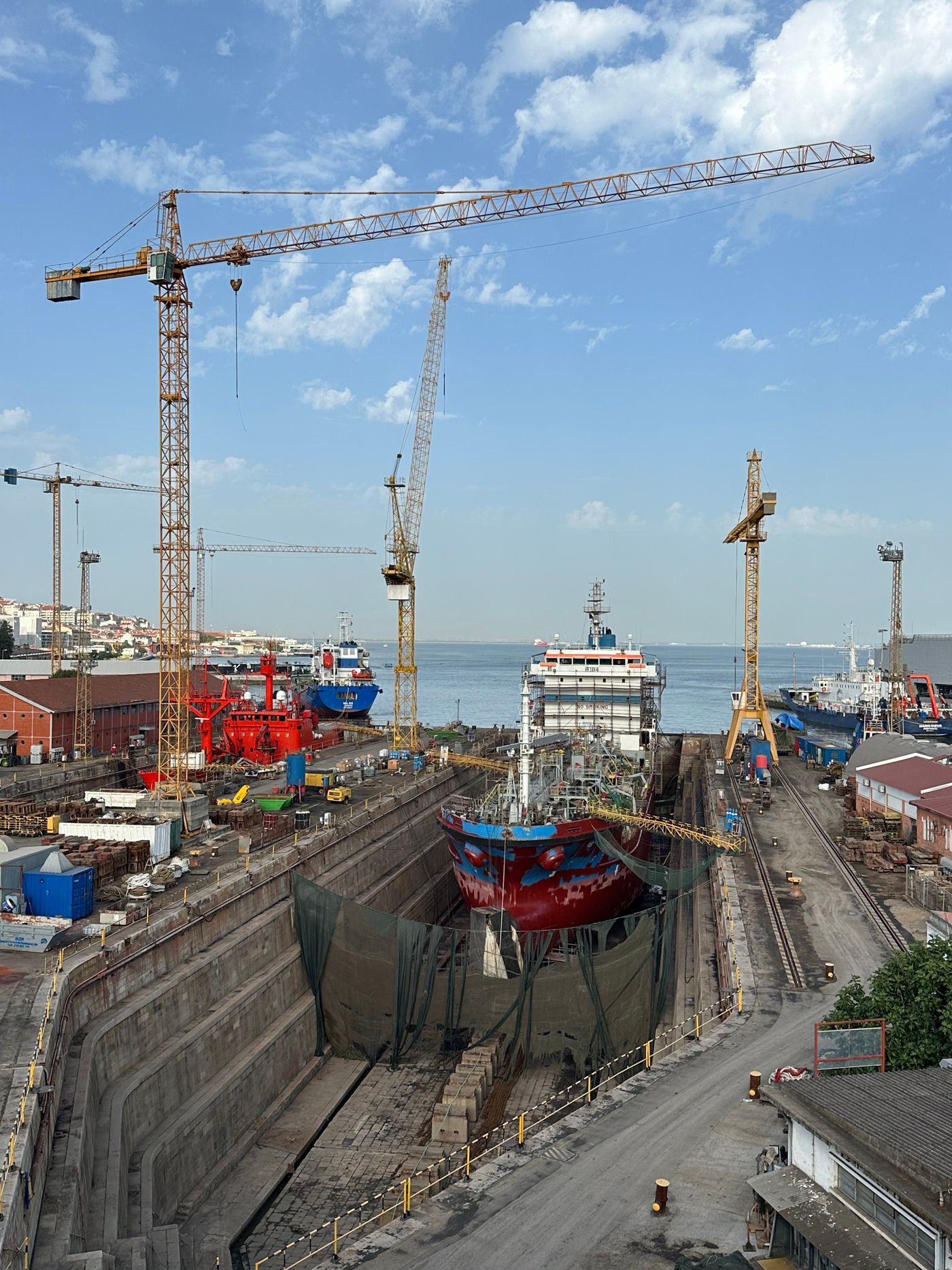
This article sets out the buyer’s and the yard’s competing positions on instalments, refund guarantees, delay damages, change orders, title, risk and warranty. The core lesson: price is visible in the first page of the contract, but risk allocation sits in the clauses most buyers skim. Market-form doctrine below is English-law and international market practice, not Vietnamese law.
Table of Contents
- Legal frame for a shipbuilding contract Vietnam parties can use
- Choosing the form: SAJ form and alternatives
- Shipyard payment milestones
- Refund guarantee: the buyer’s lifeline
- Delivery delay and liquidated damages
- Change orders, title and risk
- Warranty, acceptance and disputes
- Risk matrix: buyer versus yard
- Frequently Asked Questions
- Conclusion and next step
Legal frame for a shipbuilding contract Vietnam parties can use
A newbuilding contract is a hybrid. It is part sale of goods, part construction contract and part financing arrangement. It runs over a long period, and almost every clause interacts with another, so a weakness in one place is rarely cured elsewhere.
Shipbuilding contract Vietnam: regulatory layer
Decree 171/2016/NĐ-CP deals with the registration, deregistration, purchase, sale and building of seagoing vessels, and was amended by Decree 247/2025/NĐ-CP of 15 September 2025, effective 30 October 2025. The Vietnam Maritime Code 2015 (Law 95/2015/QH13) supplies the broader maritime framework. Which approvals, inspections and registration steps apply to a vessel built in Vietnam or built abroad for Vietnamese registration must be confirmed for each project.
Contract layer
A shipbuilding contract Vietnam yards offer for export newbuildings is usually written on an international standard form, governed by English law, with London arbitration. That is market practice. A Vietnamese owner contracting with a Vietnamese yard may prefer Vietnamese law or a domestic form, but should understand that lenders, class societies and insurers often expect internationally recognised terms. Decide the governing law and forum early, because they influence every later remedy.
For related guidance on how registration and ownership documents fit around a vessel purchase, see our vessel finance legal safeguards.
Choosing the form: SAJ form and alternatives
The SAJ form, published by the Shipbuilders’ Association of Japan, has long been the starting template for many Asian yards. BIMCO’s NEWBUILDCON is another widely used form, drafted to be more balanced between buyer and builder. A shipbuilding contract Vietnam owners sign on any form is only a draft until the specification, price schedule, guarantee wording and delivery terms are attached and aligned.
What each side expects from the template
- Yards prefer their own form because it reflects their risk allocation, payment structure and permitted delays.
- Buyers and lenders prefer forms that give clearer rescission rights, tighter guarantee conditions and stronger remedies.
- Whichever form is chosen, riders and the specification can override the printed terms, so read the order of precedence clause.
A practical point: forms refer to the specification and plans for quality, speed, consumption and deadweight. If those technical terms are vague, delay and performance disputes become subjective. Engage a technical adviser before signing, not after the first dispute.
Planning a newbuilding? IVLF can carry out a confidential preliminary review, under an NDA, of your draft contract, refund guarantee wording and financing conditions, so that gaps are identified before the first instalment is paid.
Shipyard payment milestones
Shipyard payment milestones determine how much of the buyer’s money is at risk at each stage. Under market practice, the price is paid in instalments tied to events such as contract signing, steel cutting, keel laying, launching and delivery. The weighting varies, and yards often press for early money while buyers press for back-loaded payment.
Questions to ask about each instalment
- Is it triggered by a verifiable event, certified by the buyer’s supervisor or class, or by the yard’s own notice?
- Is the refund guarantee in force before the instalment is paid?
- What happens if the milestone is delayed: does the payment date move, and does the delivery date move with it?
- Is the instalment connected to the buyer’s financing drawdown, and are the conditions aligned?
Aligning payment with financing
A lender will typically advance against evidence of progress and the refund guarantee. If the contract allows the yard to demand payment on its own certificate, but the lender requires independent certification, the buyer is squeezed between two parties. In a shipbuilding contract Vietnam lenders will finance, align the instalment triggers in the contract with the loan agreement’s conditions precedent.
Rule of thumb: never pay an instalment before the guarantee covering it is in the buyer’s hands.
Currency, tax and bank charges
Payments to a foreign yard or from a Vietnamese buyer may raise foreign exchange, remittance and tax questions. Confirm the documentation and approvals required before the first payment date.
Refund guarantee: the buyer’s lifeline
A refund guarantee is a bank undertaking that, if the buyer validly rescinds or the contract terminates for the yard’s default, the bank will repay the instalments paid, usually with interest. Without it the buyer is an unsecured creditor of a yard that may, by then, be in financial difficulty.
Points that decide whether the guarantee works
- Issuer quality. A guarantee is only as strong as the bank’s credit. Check the issuer’s standing, and consider whether a lender will accept it.
- Coverage. Does it cover all pre-delivery instalments, interest, and any other amounts, such as the buyer’s supplied equipment?
- Trigger. Is it payable on first demand, or only after an arbitration award or yard admission? A conditional trigger can delay recovery for years.
- Expiry. The guarantee should run beyond the latest delivery date, including permitted delays and the period needed to rescind.
- Governing law and forum. The guarantee is independent of the building contract, so confirm where and how a demand must be made.
- Delivery of the original. Make delivery of the guarantee a condition for the first instalment.
Rescission rights that connect to the guarantee
The guarantee protects the buyer only if the buyer holds a clear right to rescind and a clear mechanism to claim. Typical rescission grounds are excessive delay, excessive performance shortfalls, yard insolvency and failure to maintain the guarantee. Notice requirements are strict, and a defective notice can be used by the guarantor to resist payment. Keep a notice calendar and use courier plus email delivery proof.
Our related guidance on vessel leasing structures, tax and risk shows how security and liability structures interact when a project goes wrong.
Delivery delay and liquidated damages
Delivery delay liquidated damages are the buyer’s compensation for late delivery, and in most forms they are also the buyer’s only compensation for delay. A delay clause usually works in three bands: permissible delays that excuse the yard, a period of paid delay damages, and a long-stop date after which the buyer may rescind.
Permissible delays
Standard yard forms list events that extend the delivery date, such as force majeure, buyer-caused delay and changes. Broad lists are a risk to buyers because each event extends the date and may erode the damages period. Negotiate a closed list, a notice requirement for each claimed extension, and a cap on cumulative extension.
How the damages work
- The rate is usually a fixed amount per day, and under English law such sums are tested against whether they are a genuine pre-estimate or a legitimate interest-protecting amount.
- The clause normally sets a maximum period, after which the buyer may rescind rather than keep claiming.
- Damages are usually the exclusive remedy for delay, so check whether they also cover lost profit and financing costs.
- Similar reduction mechanisms often apply to speed, consumption and deadweight shortfalls.
Hypothetical scenario
Hypothetical scenario. Assumptions: a Vietnamese owner contracts for a bulk carrier at a foreign yard, with five instalments and a refund guarantee from a bank. The yard notifies a force majeure extension after a supply disruption and later announces a design change in steelwork. The owner has a time charter lined up with a cancelling date.
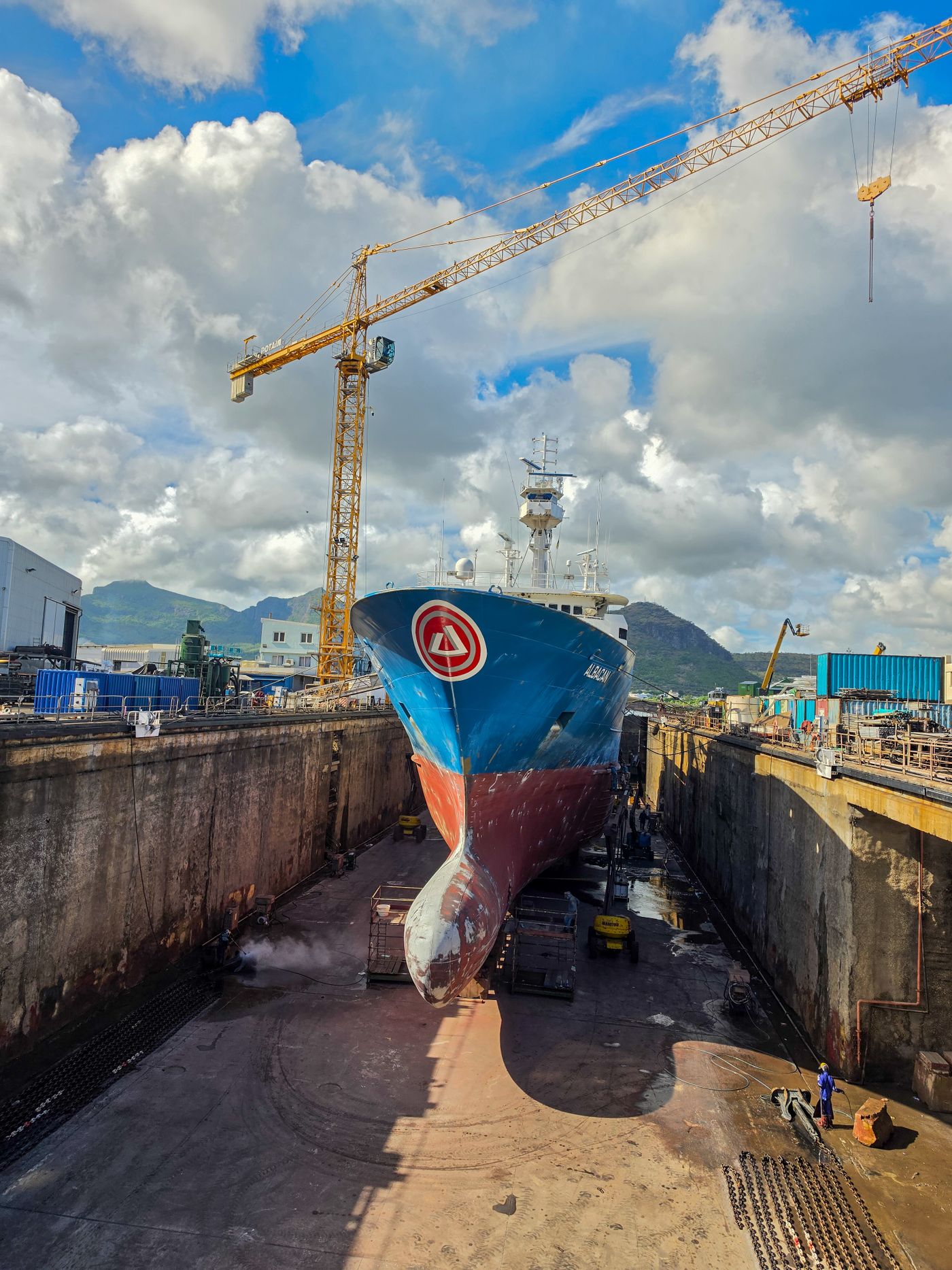
If the contract allowed open-ended force majeure and the owner did not object within the notice period, the delivery date may have shifted without compensation, while the charterer’s cancelling date still binds the owner. If instead the contract required prompt notice, supporting evidence and a cap on extensions, the owner could dispute the extension, claim delay damages and, once the long-stop date passed, serve a rescission notice backed by the guarantee. The point: align delivery date, charter cancelling date and loan availability period before signing, and give the yard no unlimited extension rights.
Change orders, title and risk
In a shipbuilding contract Vietnam owners negotiate, change orders are where budgets and schedules quietly erode. Either side can request a change, but the yard normally decides whether it accepts and what it costs. A change may alter price, delivery date, deadweight and speed guarantees, so these effects should be agreed in a single written order before work proceeds.
Change order discipline
- No change without a signed written change order stating price, date and performance effect.
- Class and regulatory changes after signing: agree who bears the cost, and whether the yard may charge.
- Buyer-supplied items: define delivery dates, quality and the consequence of lateness.
Title and risk
Under many yard forms, title to the vessel under construction remains with the yard until delivery, even though the buyer has paid substantial instalments. This is market practice and varies by contract. If title stays with the yard, the buyer relies on the refund guarantee, not on ownership, if the yard fails. Some buyers negotiate title transfer at milestones, but that has legal and financing implications: security over a vessel under construction, registration and recognition by the yard’s insolvency regime should be checked.
Risk of loss normally stays with the yard until delivery. Check insurance: the yard’s builder’s risk policy should name the buyer and any lender as co-insured or loss payee, and the contract should say who holds the proceeds.
Warranty, acceptance and disputes
Delivery occurs on signing the protocol of delivery and acceptance, and from that moment the warranty period usually starts. Warranty periods commonly run for about a year under market practice, but check the form, because the exclusions are as important as the period.
Trials and acceptance
Sea trials test speed, consumption and equipment against the specification. Buyer’s representatives should attend, record deficiencies and refuse to sign acceptance until the contract tests are met or a price reduction is agreed. A signature on acceptance can waive defects that were visible at the time.
Warranty claims
- Check what is covered: defects in materials and workmanship, but typically not damage from the owner’s operation.
- Check the process: written notice, yard’s right to repair, and who pays for off-hire or voyage costs.
- Check guarantee-period extensions for repeated defects.
- Check whether warranty obligations are backed by a bank guarantee or only by the yard’s covenant.
Dispute resolution
Disputes under a shipbuilding contract Vietnam owners sign are technical. Consider an expert determination step for technical disagreements before arbitration, and match the arbitration seat to the forum in the refund guarantee. For a Vietnamese yard defendant, plan enforcement in advance and verify the enforcement route and recognition rules. International standard-setting bodies such as the International Maritime Organization publish the safety and environmental conventions the vessel must meet, and the specification should say which versions apply.
Risk matrix: buyer versus yard
| Issue | Legal position | Commercial impact | Risk | Mitigation |
|---|---|---|---|---|
| Yard insolvency | Title usually with yard until delivery | Instalments unsecured without guarantee | Fatal | First-demand refund guarantee from a strong bank, issued before first payment |
| Weak refund guarantee | Guarantee terms are separate from the building contract | Recovery delayed or refused | Fatal | Review wording, expiry and trigger; lender sign-off |
| Open-ended delay extensions | Contract list of permissible delay controls | Missed charter, loan expiry | High | Closed list, notice duty, cumulative cap, long-stop rescission |
| Uncontrolled change orders | Yard may refuse or reprice | Budget overruns, date slippage | High | Written change order with price, date and performance effect |
| Performance shortfall | Remedies limited to price reduction or rescission thresholds | Lower earnings, charter claims | Medium | Precise specification, trial protocol, independent supervisor |
| Warranty gaps | Period and exclusions set by contract | Repair cost and off-hire | Medium | Extended guarantee and repair cooperation clauses |
From the yard’s perspective the same table reverses: the yard needs protection against unlimited rescission, unreasonable change requests, late buyer payments and open-ended warranty exposure. A balanced contract tends to be easier to finance and enforce.
Frequently Asked Questions
Which form is best for a newbuilding?
No form is best for every project. The SAJ form is common in Asian yards, while BIMCO’s NEWBUILDCON is more balanced. Compare risk allocation clause by clause and negotiate riders.
When does a refund guarantee become payable?
It depends on its wording. Many are payable on a valid rescission notice or demand, but conditional triggers delay payment. Check the trigger, expiry and required documents before paying instalments.
Are delay damages the only remedy for late delivery?
Usually, until the long-stop date, after which the buyer may rescind and recover instalments. Check whether the contract excludes other claims and how permitted delays affect the calculation.
Who owns the ship while it is being built?
Under many market forms the yard keeps title until delivery. Some contracts transfer title earlier, but this raises legal and financing questions that should be checked.
Can I change the specification after signing?
Yes, but only through a written change order that records the price, delivery date and performance effects. Informal instructions often create disputes over cost and time.
Conclusion and next step
The strongest position under any shipbuilding contract Vietnam owners sign comes from sequencing. Secure the refund guarantee first, align instalments with financing, close the list of permitted delays, and control every change in writing. A yard that insists on loose terms may still be a good builder, but then the buyer’s protection must come from the guarantee and the paperwork.
Next action: before signing, prepare a one-page matrix that maps each instalment to its trigger, its guarantee cover, its financing condition and its delay consequence, and test it with your lender and technical adviser. IVLF can review that matrix confidentially. For maritime administration and policy updates, see the Ministry of Construction.
This article provides general information as of 14 October 2026 and is not legal advice for a specific matter. Standard forms, laws and practice change, and each contract should be reviewed on its own facts.
Or contact us directly:
Contact IVLF LawyerCompany Formation Services – IVLF Advisors
This article is provided for general information only and does not constitute legal advice for any specific case. Regulations may change – please consult a qualified professional before acting. Should further analysis be required, please contact one of our lawyers below.