
A foreign manufacturer sitting on a fully depreciated factory in Bac Ninh or Binh Duong is, in balance-sheet terms, sitting on trapped capital. A sale-and-leaseback Vietnam transaction, selling the plant and equipment to an investor or specialist lessor and leasing it straight back, converts that trapped equity into cash without disrupting a single production line. The land-use versus movable-asset distinction that shapes a sale-and-leaseback also comes up in other asset finance structures; see IVLF’s guide to container financing for Vietnamese logistics operators.
The mechanics look simple on a term sheet. In Vietnam, the legal path from term sheet to closing runs through FDI enterprise rules, land-use rights restrictions, and a tax treatment that is far less settled than sponsors coming from Singapore or Japan tend to assume.
Sale-and-leaseback Vietnam volume has grown alongside the country’s export-manufacturing boom precisely because FDI manufacturers are capital-constrained mid-cycle: expansion capital is needed for a second production line or a new market, but the balance sheet is tied up in a building and machinery that will not be sold outright for another decade.
A well-structured sale-and-leaseback releases that capital while preserving operational continuity, and Vietnamese law accommodates the transaction, provided the structuring respects three distinct constraints that do not exist in most of Vietnam’s regional competitors.
1. Why Sale-and-Leaseback Vietnam Deals Are Attracting FDI Manufacturers
This is precisely why sale-and-leaseback Vietnam deals now feature in almost every FDI manufacturer’s refinancing playbook, and why lenders active in sale-and-leaseback Vietnam transactions are moving quickly to build capacity.
The commercial logic is straightforward: an FDI manufacturer that owns its factory building and production equipment outright has capital parked in low-yield fixed assets instead of deployed into higher-return manufacturing capacity.
A sale-and-leaseback Vietnam structure monetises that asset base immediately, typically at a valuation reflecting current replacement cost rather than depreciated book value, while the seller-lessee retains full operational control under a lease with a tenor matched to its production planning horizon.
Vietnam-specific demand for this structure has intensified as global supply chains diversify away from China, pushing new and expanding FDI manufacturers into Vietnam faster than their balance sheets can be reorganised through conventional bank refinancing, which remains slow and collateral-conservative for foreign-invested enterprises without an established local credit history.
Sale-and-leaseback Vietnam transactions fill that gap by monetising an asset the manufacturer already controls rather than requesting new secured credit against uncertain forward cash flow.
A useful way to frame the decision for a CFO evaluating sale-and-leaseback Vietnam options against a secured term loan is total cost of capital over the lease tenor, not just the headline sale price.
A secured loan against the same equipment typically caps loan-to-value at 60-70% and layers on collateral registration and covenant compliance costs, while a sale-and-leaseback releases closer to full asset value up front in exchange for a lease payment stream that functionally substitutes for depreciation the manufacturer was already recognising.
For a capital-constrained FDI manufacturer mid-expansion, that difference in day-one liquidity is frequently decisive, even where the effective financing cost embedded in the lease payments is modestly higher than a bank loan rate.
2. Structuring the Sale: FDI Enterprise Rules Under the Investment Law 2020
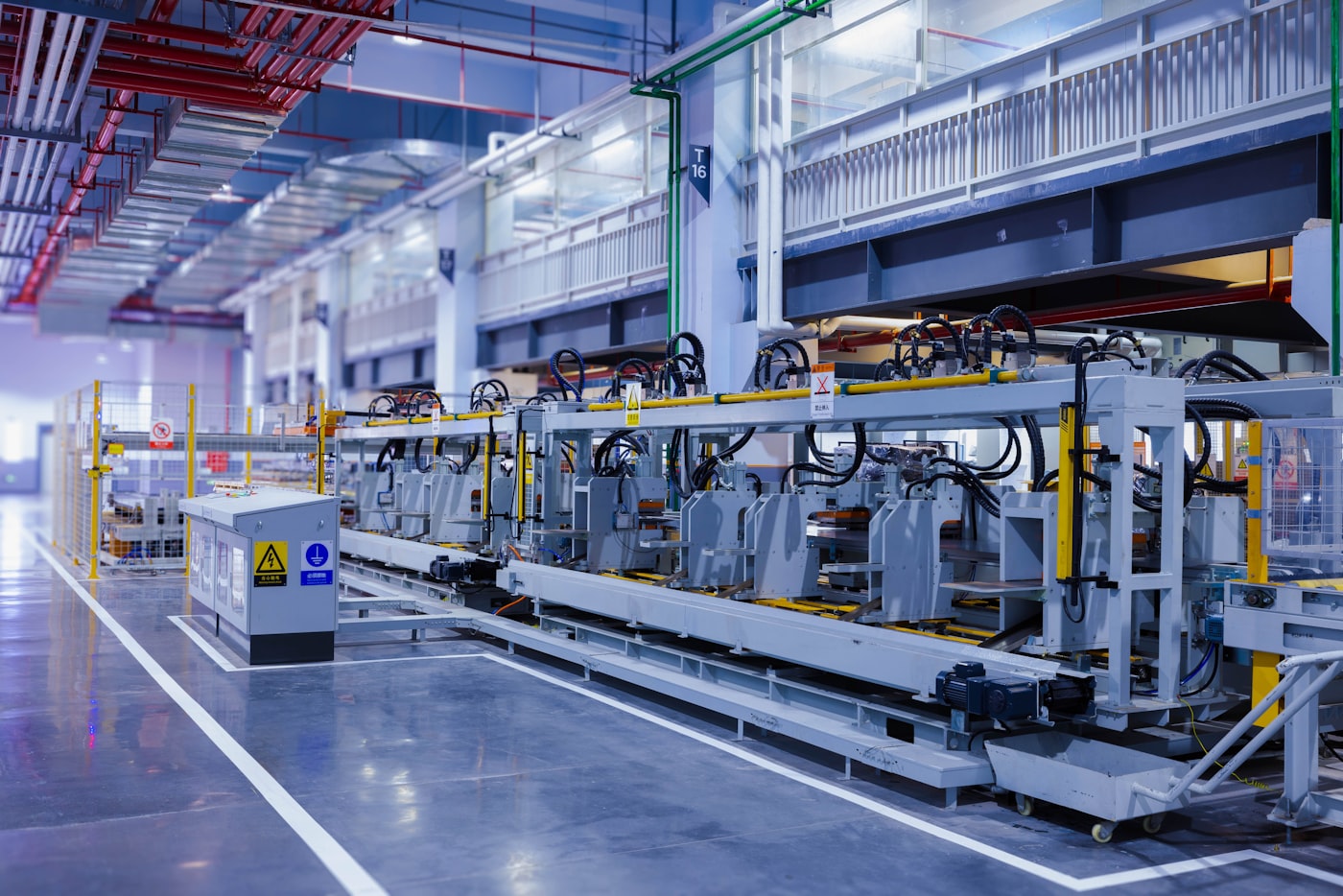
Getting the sale leg right under the Investment Law is what makes a sale-and-leaseback Vietnam deal enforceable later, and any sale-and-leaseback Vietnam structure that skips this step invites later challenge.
The seller in a sale-and-leaseback Vietnam transaction is, by definition, an FDI enterprise, and the disposal of a core production asset triggers scrutiny under the Investment Law 2020 and related foreign investment registration rules, particularly where the buyer is itself a new or different foreign investor rather than a domestic leasing company.
A change in the underlying asset base of a licensed FDI project can require an amendment to the Investment Registration Certificate, and sponsors who treat the sale as a purely private commercial transaction between seller and buyer frequently discover mid-negotiation that the deal cannot close without a regulatory filing they had not budgeted time for.
Buyer Identity Matters as Much as Price
Whether the buyer is a licensed Vietnamese finance leasing company, a domestic real estate investor, or a foreign private equity vehicle changes the structuring path materially. A licensed finance leasing company buying the equipment (though rarely the land-attached building, for reasons addressed below) can proceed under the Law on Credit Institutions 2024’s finance leasing framework with a comparatively well-worn regulatory path.
A non-licensed buyer acquiring the asset purely as an investment, by contrast, needs the transaction structured so that it does not inadvertently constitute unlicensed lending or an unlicensed real estate business activity, both of which carry separate licensing regimes under Vietnamese law.
3. The Land-Use Rights Complication: Movable Equipment vs. Land-Attached Assets
This distinction is the fault line running through most sale-and-leaseback Vietnam disputes in Vietnam, since a sale-and-leaseback Vietnam arrangement over land-attached assets faces a materially different approval path.
This is where sale-and-leaseback Vietnam deals diverge sharply from equivalent transactions in common-law jurisdictions. Under the Law on Land 2024, land-use rights in Vietnam are held under statutory land-use right certificates, and foreign-invested enterprises typically hold land through a leasehold or land-allocation arrangement from the State rather than freehold ownership.
A factory building constructed on that land is a land-attached asset whose transfer is legally entangled with the underlying land-use right, which cannot simply be sold to a third-party investor the way a freestanding piece of machinery can.
The practical consequence is that most sale-and-leaseback Vietnam structures split the transaction into two legally distinct components: production equipment and movable fixtures, sold and leased back relatively cleanly as personal property with security interests registrable at the National Registration Agency for Secured Transactions (NRAST);
and the factory building and land-use rights, which typically require either a separate land-use right transfer procedure with provincial authorities and Land Registration Office involvement, or, more commonly in practice, a structure that leaves land-use rights with the original FDI enterprise and monetises only the equipment and building improvements through a leaseback, avoiding the land transfer question altogether. Sponsors who assume the entire plant, land included, can be sold and leased back as a single asset package are the ones most likely to see a deal collapse in due diligence.
4. Leaseback Terms: Finance Lease Classification, Tenor, and Buy-Back Options
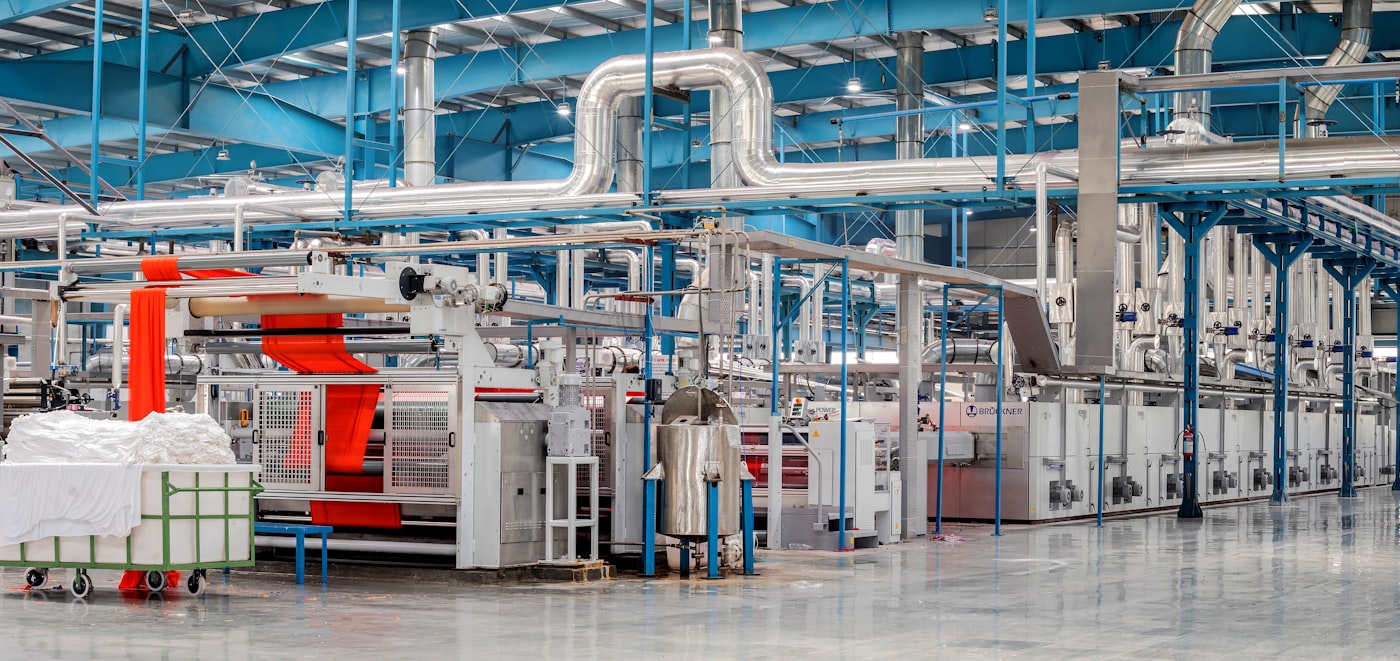
Classification at signing determines how the whole sale-and-leaseback Vietnam arrangement is treated for tax and accounting, so counsel drafting a sale-and-leaseback Vietnam lease should confirm this before term sheets circulate.
Once the asset scope is settled, the leaseback itself must be classified correctly as either a finance lease or an operating lease, a distinction that drives accounting treatment, VAT handling, and, for the lessor, the applicable licensing regime under the Law on Credit Institutions 2024.
Most sale-and-leaseback Vietnam transactions are structured as finance leases, with the seller-lessee retaining substantially all the risks and rewards of the equipment and building improvements over a lease term approximating the asset’s remaining useful economic life, often paired with a bargain purchase or buy-back option at expiry that lets the FDI manufacturer reacquire the asset once its capital position has normalised.
The buy-back option itself deserves close drafting attention: a poorly priced or ambiguously triggered repurchase right can cause tax and accounting authorities to recharacterise the entire transaction as a secured financing rather than a genuine sale, which unwinds the intended off-balance-sheet or capital-release effect the sponsor structured the deal to achieve in the first place.
Due diligence on the buyer side of a sale-and-leaseback Vietnam transaction should also verify that the buyer’s own funding source is compatible with the intended lease classification: a buyer funding the acquisition with foreign currency debt raised offshore may trigger separate foreign loan registration requirements with the State Bank of Vietnam, layering a fourth regulatory track onto a transaction that already spans investment registration, land-use rights, and tax filings.
Modelling the Decision Before Approaching Buyers
Sponsors who run the sale-and-leaseback Vietnam analysis internally before approaching buyers consistently negotiate better terms, because they enter price discussions already knowing their walk-away point on both sale price and lease rate, rather than anchoring on whatever the first interested buyer proposes. A basic model comparing after-tax sale-and-leaseback proceeds against a secured loan alternative, run against at least two lease tenor scenarios, is a modest upfront cost relative to the capital being unlocked.
5. Tax Treatment of Sale-and-Leaseback Gains and Structuring the Exit
Exit planning is where a well-structured sale-and-leaseback Vietnam deal earns its value, and sponsors who model the tax treatment of a sale-and-leaseback Vietnam gain early avoid surprises at closing.
The tax treatment of the gain on sale is the final, and often underestimated, variable in a sale-and-leaseback Vietnam transaction.
Where the sale price exceeds the asset’s depreciated book value, the resulting gain is generally subject to corporate income tax in the year of disposal, and FDI enterprises structuring the sale primarily for a one-time liquidity event should model the after-tax proceeds, not the gross sale price, when comparing this structure against a straightforward secured loan against the same equipment.
VAT treatment of the sale and the subsequent lease payments also needs separate analysis, since a finance lease’s VAT position in Vietnam differs from an outright equipment sale, and getting this wrong at signing typically means an expensive amendment process once the tax authority’s local office reviews the first VAT filing under the new lease.
As previously discussed in our review of Vietnam’s cross-border equipment leasing rules, structuring the underlying lease correctly from day one avoids a costly re-characterisation risk later in the asset’s life.
Sponsors evaluating a sale-and-leaseback Vietnam structure should also review current guidance from the Ministry of Finance on corporate income tax treatment of asset disposals before finalising pricing, since local tax office practice on gain recognition timing can vary by province in ways that materially affect the deal’s net economics.
Frequently Asked Questions
Why are FDI manufacturers using sale-and-leaseback structures in Vietnam?
A sale-and-leaseback converts trapped capital in a fully depreciated factory into liquidity, since the manufacturer sells the plant and equipment to an investor or specialist lessor and leases it straight back, freeing up capital while retaining operational use of the facility.
Does land-use rights status complicate a Vietnamese sale-and-leaseback?
Yes. Movable equipment and land-attached assets are treated differently, and land-use rights complications need to be assessed separately from the equipment sale, since they follow different legal regimes.
How is the leaseback typically classified for tax and accounting purposes?
The leaseback is typically structured as a finance lease with defined tenor and buy-back options, and getting this classification right from day one avoids a costly re-characterisation risk later in the arrangement.
How are gains on a sale-and-leaseback taxed in Vietnam?
Tax treatment of sale-and-leaseback gains requires specific analysis, including current Ministry of Finance guidance on corporate income tax treatment of asset disposals, before finalizing pricing and structure.
IVLF advises FDI manufacturers and their financiers on structuring sale-and-leaseback transactions in Vietnam, from asset-scope segmentation and land-use rights analysis to lease classification and tax treatment. As a structured finance law firm Vietnam manufacturers turn to before signing, we focus on the two issues that most often generate disputes later: land-use versus movable-asset classification, and lease re-characterisation risk. Contact IVLF to review your sale-and-leaseback structure.
This article is provided for general information only and does not constitute legal advice for any specific case. Regulations may change – please consult a qualified professional before acting. Should further analysis be required, please contact one of our lawyers below.