

Not every outward investment from Vietnam is funded with cash. Vietnamese manufacturers and technology companies increasingly fund an overseas project by contributing machinery, production equipment, or intellectual property rights they already own, instead of remitting money to buy those assets abroad.
This route to outward investment from Vietnam is lawful, but it carries its own valuation, customs, and IP-registration steps that a cash-funded outward investment from Vietnam does not face.
Under Investment Law 2025 (Law No. 143/2025/QH15, effective 1 March 2026) and Decree 103/2026/NĐ-CP on outward investment (effective 3 April 2026, replacing Chapter VI of Decree 31/2021/NĐ-CP), this IVLF guide explains the conditions, procedure and common pitfalls of using machinery, equipment or IP as outward investment capital.
Table of contents
- Do machinery, equipment and IP count as outward investment capital?
- Common forms of contributing machinery, equipment and IP
- Valuation principles for non-cash contributed assets
- Registration procedure and required documents
- Common legal risks
- Comparing with a cash contribution
- 2026 registration threshold and reporting
- Documentation checklist
1. Do machinery, equipment and IP count as outward investment from Vietnam?
Under Investment Law 2025, the sources of outward investment from Vietnam are not limited to cash. Decree 103/2026/NĐ-CP recognises machinery, production equipment, and intellectual property rights such as patents, industrial designs, or know-how as lawful asset types that can fund outward investment from Vietnam. A Vietnamese company can therefore transfer equipment already on its balance sheet, or license IP it owns, into a project abroad instead of first selling that asset and remitting the proceeds.
This route is common where a Vietnamese manufacturer sets up an overseas production line and wants to move existing machinery there, or where a technology company contributes patented know-how as its stake in a foreign joint venture, both of which count as outward investment from Vietnam.
2. Common forms of outward investment from Vietnam funded by machinery, equipment and IP
In advisory practice, three scenarios come up most often when structuring outward investment from Vietnam with non-cash assets:
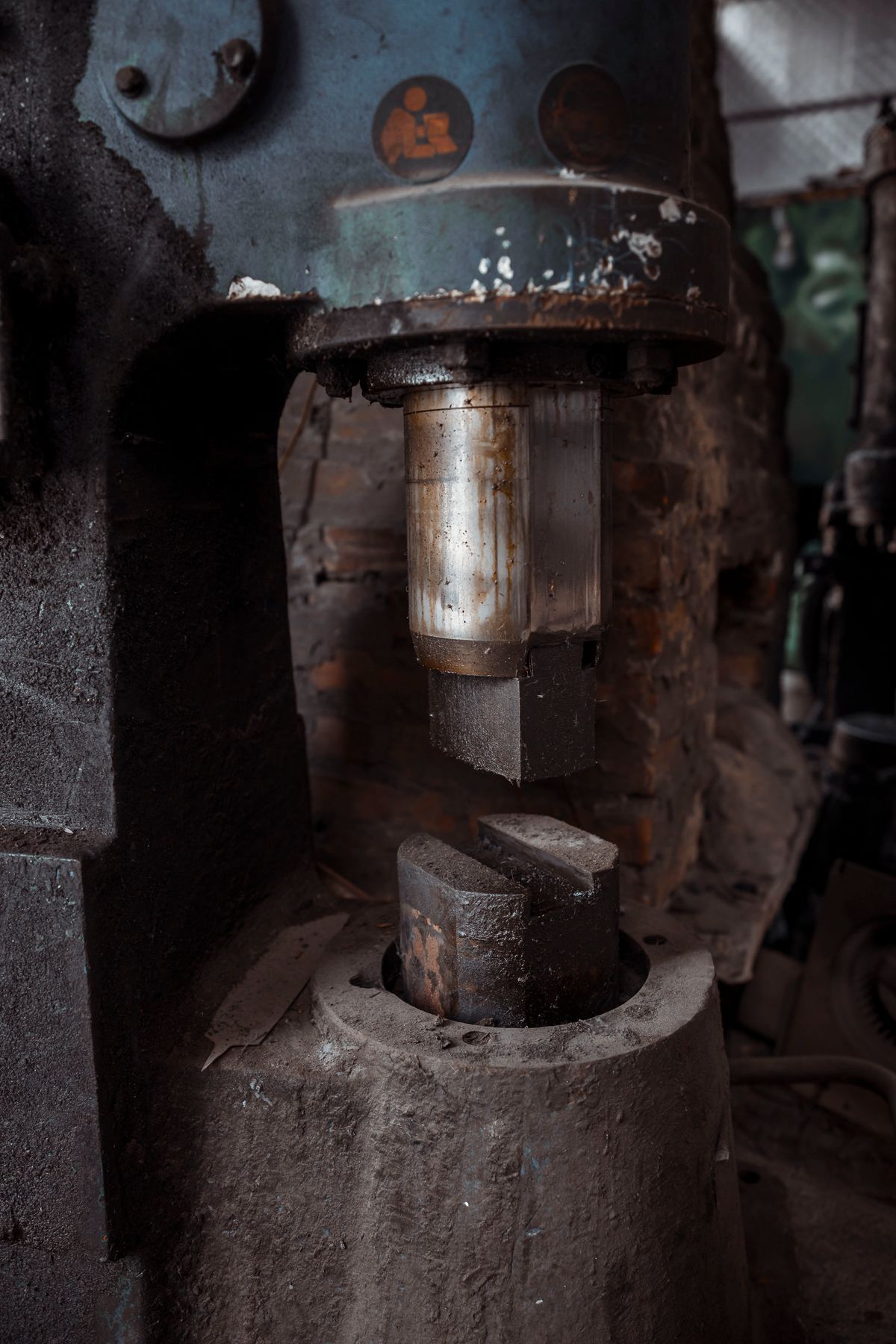
- Machinery and equipment transfer: production lines or equipment already owned in Vietnam are shipped abroad and recorded as capital contribution.
- IP licensing or assignment: a patent, trademark, or proprietary process is assigned or licensed to the foreign project entity as its capital.
- Mixed contribution: a combination of cash, equipment and IP is used together to fund one outward investment from Vietnam project.
3. Valuation principles for contributed machinery, equipment and IP
Because there is no cash flow to check the figure against, valuation is the single most important step in an equipment- or IP-funded outward investment from Vietnam. By analogy with the Law on Enterprises 2020 (as amended in 2025), a non-cash contributed asset must be valued by the founders, or by an independent valuation organisation, on a consensus or majority basis before the asset moves.
For IP specifically, the valuer must also confirm that protection has been properly registered in Vietnam, since an unregistered right has no reliable market value to use as the basis for an outward investment from Vietnam filing. If the contributed asset is valued above its actual value, everyone involved in the valuation is jointly liable for the difference.
4. Registration procedure and documents required
When using machinery, equipment or IP as outward investment from Vietnam capital, an investor needs to prepare proof of lawful ownership of the asset, a valuation report, a transfer or licensing agreement with the foreign project entity, and for IP assets, evidence of registration such as a certificate from the National Office of Intellectual Property of Vietnam. This file accompanies the application for the Outward Investment Registration Certificate submitted to the competent licensing authority.
Equipment leaving Vietnam must also be declared to customs consistently with the figures in the outward investment from Vietnam registration file, since a mismatch between the customs declaration and the investment file is one of the most common causes of processing delays for this asset type.

5. Common legal risks when structuring outward investment from Vietnam with machinery, equipment or IP
The most common risk in this form of outward investment from Vietnam is a valuation without solid support, prepared by a valuer without the right technical expertise, which gets the file rejected or raises suspicion of transfer pricing.
For IP, the second risk is transferring the asset before protection is fully registered in Vietnam, which means the contributed asset’s value may not be recognised in full when the outward investment from Vietnam file is reviewed.
For machinery and equipment, the third risk is a mismatch between the customs declaration and the investment file, which can delay customs clearance or trigger a retrospective tax assessment on the outward investment from Vietnam transaction.
6. Comparing a machinery- or IP-funded contribution with a cash contribution
Many manufacturers weigh which route to outward investment from Vietnam suits them best. A cash-funded outward investment from Vietnam follows a familiar, transparent procedure through the pre-investment account, but it requires available foreign currency and is exposed to exchange-rate movements. An equipment- or IP-funded outward investment from Vietnam, by contrast, lets a company deploy an asset it already owns rather than raising fresh cash, which suits an overseas production expansion or a technology licensing deal.
That said, this route adds an independent valuation step, and for IP a registration check, so it typically takes longer to clear than a cash-funded outward investment from Vietnam. Companies should weigh the project’s objective, timeline, and how readily the asset can be moved or licensed before choosing the structure that fits their outward investment from Vietnam plan best.
7. 2026 registration threshold and reporting changes to know
Under Investment Law 2025, prior policy-approval procedures for outward investment from Vietnam have been abolished for most projects, except large-scale projects or those subject to special mechanisms. Projects below the capital threshold set under the new implementing guidance may not need a full Outward Investment Registration Certificate at all, unless the activity falls into a restricted sector such as banking, insurance, securities, media or real estate.
Even where a full certificate is not required, an equipment- or IP-funded outward investment from Vietnam must still be declared to the State Bank of Vietnam so the capital movement is transparent, since the pre-investment account mechanism under Circular 34/2026/TT-NHNN applies only to cash flows, not to in-kind contributions.
8. Documentation checklist for outward investment from Vietnam using machinery, equipment or IP
Before filing, investors preparing an outward investment from Vietnam funded this way should assemble a complete documentation set, since an incomplete file is the single most common cause of processing delays for this asset type.
The checklist for this form of outward investment from Vietnam typically includes: proof of lawful ownership of the machinery, equipment or IP; the independent valuation report; the transfer, contribution or licensing agreement; customs import/export records for equipment; and, for IP, the registration certificate confirming protection in Vietnam.
Counsel experienced in outward investment from Vietnam transactions usually reviews this file in parallel with the State Bank declaration and, for equipment, the customs declaration, so the whole outward investment from Vietnam filing moves forward on one timeline rather than three separate ones.
Getting this checklist right the first time is one of the most effective ways to keep an outward investment from Vietnam transaction funded by machinery, equipment or IP on schedule.
9. Related terms clients search for
Clients researching this topic often use related terms such as an equipment transfer for outward investment, an IP assignment to a foreign entity, or a machinery contribution to an overseas project when looking for guidance on outward investment from Vietnam.
Other common searches include the customs declaration for outward-bound equipment and the IP registration certificate from the National Office of Intellectual Property of Vietnam, both essential to a compliant outward investment from Vietnam file.
IVLF advises manufacturers and technology companies through each of these steps, from valuation and IP registration to customs clearance and final registration of the outward investment from Vietnam.
Frequently asked questions
Can existing machinery be shipped abroad as investment capital?
Yes. Investment Law 2025 and Decree 103/2026/NĐ-CP recognise machinery and equipment already owned in Vietnam as a lawful asset type that can fund outward investment from Vietnam, provided the transfer is properly valued and declared to customs.
Does IP have to be registered in Vietnam before it can be contributed abroad?
It should be. If protection is not yet registered in Vietnam, the contributed IP asset’s value may not be fully recognised when the outward investment from Vietnam file is reviewed by the licensing authority.
Who is liable if the contributed asset is valued too high?
Everyone who took part in the valuation, whether founders, shareholders, or an independent valuation organisation, is jointly liable if the recorded value is higher than the asset’s actual value.
Need advice on funding outward investment with machinery, equipment or IP?
IVLF advises end-to-end on outward investment from Vietnam: valuing the contributed asset, coordinating customs declarations, confirming IP registration, and preparing the outward investment registration file.
Related: Contributing Shares and Equity as Outward Investment Capital from Vietnam (2026 Guide).
Disclaimer: This article is general reference information current as of August 2026 and does not constitute formal legal advice for a specific case. Legal reference: Investment Law 2025 (Law No. 143/2025/QH15), Decree 103/2026/NĐ-CP, Law on Enterprises 2020 (as amended 2025), Circular 34/2026/TT-NHNN.
Related terms and common questions
Companies using machinery, equipment and IP as outward investment capital must obtain an independent valuation for customs and registration purposes. Contributing machinery, equipment and IP this way avoids a cash transfer while still counting toward the registered outward investment amount.
The most common assets used are production machinery, specialized equipment, and intellectual property such as patents, trademarks, or proprietary software licensed to the overseas entity. Machinery, equipment and IP contributions require customs declaration at the time of export and an IP assignment or licensing agreement registered with the receiving country.
Before finalizing machinery, equipment and IP as outward investment, investors should confirm the target jurisdiction accepts non-cash contributions and that the valuation report meets both Vietnamese and local requirements. IVLF Advisors assists clients through every stage of structuring machinery, equipment and IP as outward investment capital, from valuation to final registration with the State Bank of Vietnam.
Can used machinery count as outward investment capital? Yes, used machinery, equipment and IP can qualify as outward investment capital if independently valued and properly declared at export.
Do IP assignments need separate registration abroad? Generally yes; machinery, equipment and IP contributions involving intellectual property require registration with the relevant IP office in the destination country.
This article is provided for general information only and does not constitute legal advice for any specific case. Regulations may change – please consult a qualified professional before acting. Should further analysis be required, please contact one of our lawyers below.