
When a foreign investor prices a Vietnamese target, the purchase agreement usually spends more pages on tax and title warranties than on the workforce. That is a mistake. Employee transfer M&A Vietnam issues routinely turn into six- and seven-figure surprises after signing, because Vietnam’s Labour Code is drafted to protect employees, employment tribunals lean in workers’ favour, and the mechanics of moving a workforce from seller to buyer are far less automatic than most cross-border teams assume. A buyer that treats headcount as a due diligence afterthought can inherit accrued severance obligations it never priced, or lose the key staff the deal was actually bought for.
Getting the fundamentals of employee transfer M&A Vietnam practice right from term sheet to closing is what separates a clean handover from a post-closing dispute.
This guide sets out how employee transfer and redundancy risk actually plays out in a Vietnam M&A transaction: the statutory transfer rule under the Labour Code, the four practical structuring routes buyers and sellers use to move a workforce, how to quantify the contingent severance liability sitting on the target’s balance sheet, and how experienced deal counsel allocates that risk in the sale and purchase agreement (SPA).
Why Employee Transfer M&A Vietnam Risk Deserves Board-Level Attention
Vietnamese employment law is not a neutral, contract-driven system in the way US or English law is. Employers cannot contract out of the Labour Code’s protections even with an employee’s written consent, and labour tribunals are known to resolve ambiguity in favour of the worker. For a buyer, that means every assumption about headcount, cost base, and post-closing flexibility has to be tested against a body of law that was not designed to make M&A execution easy. Getting employee transfer M&A Vietnam planning wrong does not just create HR friction; it creates balance-sheet liability and integration delay that can unwind the investment case built during valuation.
The commercial stakes are concrete. Accrued severance and redundancy allowances are contingent liabilities that do not always appear cleanly on a Vietnamese target’s financial statements, particularly where record-keeping is informal. A buyer that skips this analysis is effectively agreeing to price a company without knowing the true cost of its people, which is frequently the single largest operating expense in a services, manufacturing, or retail target.
The Legal Starting Point: What the Labour Code Actually Says
Statutory Transfer in Mergers, Consolidations, Divisions and Separations
Under the Labour Code, where an enterprise merges, consolidates, divides, or separates, the succeeding employer is responsible for continuing performance of each employee’s existing labour contract. This is often called the Statutory Transfer rule, and on its face it looks like a clean, automatic handover: the buyer simply steps into the seller’s shoes as employer. In practice, the position is less settled than it appears, because other provisions of the Labour Code require an employee’s consent to amend a labour contract.
Vietnamese regulators have unofficially suggested that a new labour contract should be signed whenever a Statutory Transfer occurs. That tension leaves room for an employee to object, particularly where the transfer changes the identity of the employer, the workplace, or working conditions.
Vietnam’s official National Database of Legal Documents (Cơ sở dữ liệu quốc gia về pháp luật) publishes the current consolidated text of the Labour Code and its implementing decrees, and it is the primary reference point deal counsel should verify against before relying on any English-language summary.
Asset Deals: No Automatic Transfer of the Workforce
In an asset acquisition, the analysis changes again. The Labour Code does not explicitly require the buyer of a business’s assets to take on its employees; instead, the seller, as the outgoing employer, must prepare a plan for using its employees after the transfer. That structure implies employee transfer is not automatic in an asset deal, and the target company may need to consult its workforce before any handover, even where most contractual terms stay the same. A prudent buyer in an asset transaction should assume employees have the right to object to a proposed transfer of their contracts, and should build a consultation timeline into the transaction schedule rather than treating headcount as a closing formality.
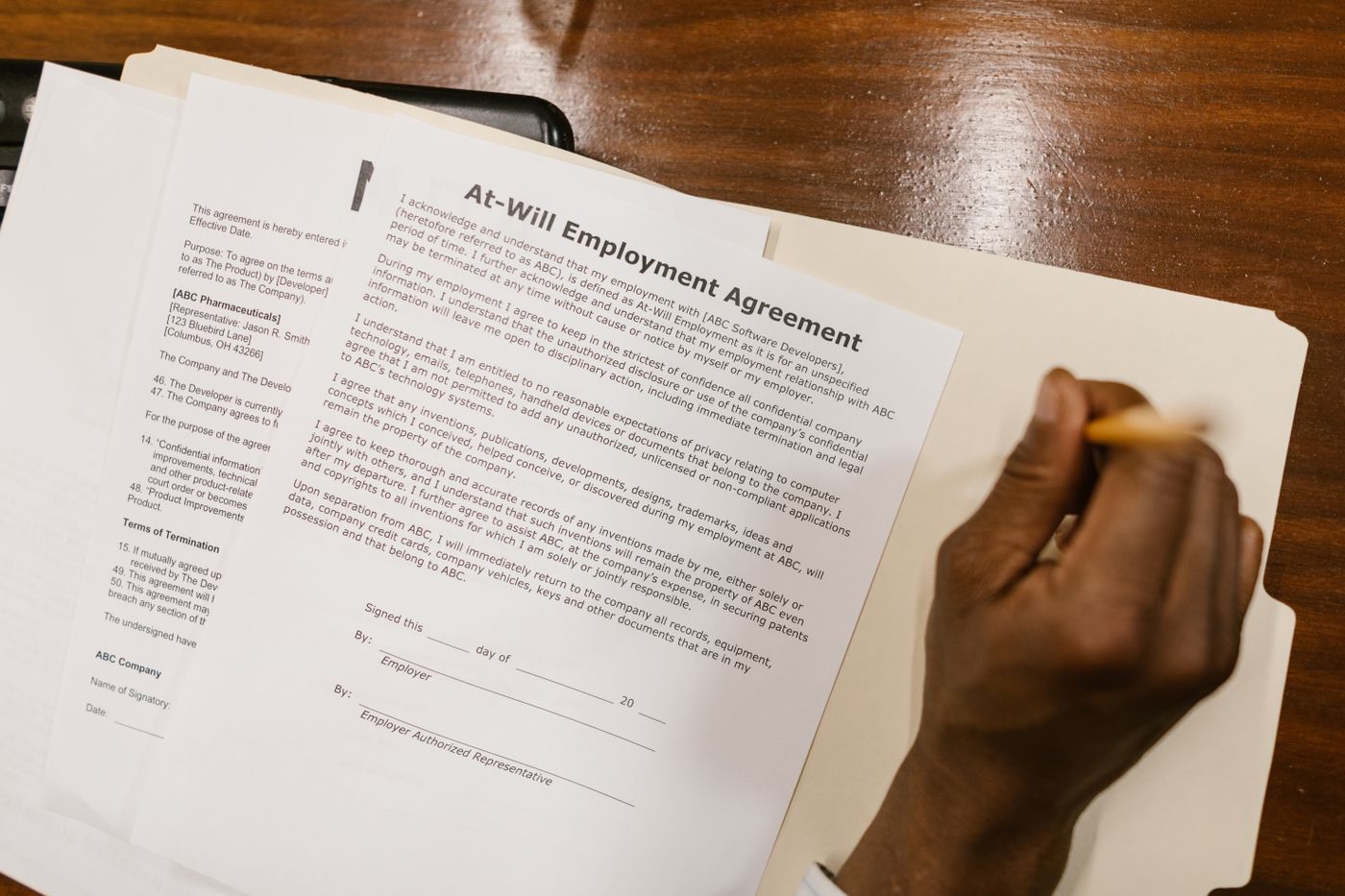
Four Structuring Routes for Moving a Vietnamese Workforce
Because the statutory position is ambiguous, deal teams in Vietnam have converged on a small number of practical structures for handling employee transfer M&A Vietnam risk. Choosing among them is one of the earliest structuring decisions in any employee transfer M&A Vietnam engagement, and it should be made before the SPA drafting stage, not during it. Each shifts cost, timing, and flexibility differently between buyer and seller, and the right choice depends on deal structure, the buyer’s integration plan, and how much of the existing workforce it actually wants to keep.
1. Resignation and Re-employment
The target’s employees resign from the seller and are then re-employed by the buyer under new contracts. Any employee who has worked one year or more may be entitled to a resignation allowance calculated by reference to years of service, which the seller (as the outgoing employer) must fund. The advantage for the buyer is clean: it starts with a fresh workforce and no inherited severance overhang. Many foreign acquirers favour this route precisely because it removes uncertainty, even though it pushes cost onto the seller and requires every affected employee to individually agree to resign and re-apply. This is the most commonly negotiated route in an employee transfer M&A Vietnam deal involving a straightforward asset or business purchase.
2. Redundancy Termination and Selective Re-employment
Alternatively, the target can unilaterally terminate employment on grounds of organisational restructuring, technological change, or economic reasons, after which the buyer offers re-employment only to the staff it wants to retain. Employees terminated this way after more than a year of service are entitled to a redundancy allowance equal to one month’s salary and benefits per year of service, subject to a two-month minimum. This route is more expensive than resignation-based transfer, but it gives the buyer real flexibility to reshape the workforce it acquires, which matters when a deal thesis depends on cost reduction or role consolidation, a common driver of employee transfer M&A Vietnam restructuring in manufacturing and retail targets.
3. Tripartite Transfer Agreements
A tripartite agreement between the employee, the target, and the buyer sets out binding terms for the handover without requiring resignation. It typically acknowledges that the Statutory Transfer applies, confirms the employee’s contract continues with the buyer, and includes a waiver of the employee’s claims against the seller, including severance entitlements that would otherwise crystallise at closing. In practice, this structure has become a preferred middle path because it lowers the risk of triggering accrued severance while avoiding the administrative burden of mass resignations. Employees who decline to sign may instead resign and claim a resignation allowance, or insist on remaining with the target if it survives the transaction.
Many IVLF clients treat the tripartite route as the default answer to employee transfer M&A Vietnam planning for key management they intend to retain.
4. Automatic Statutory Transfer in a Merger or Consolidation
Where the deal is structured as a statutory merger or consolidation of Vietnamese entities, the succeeding employer inherits the workforce and its labour contracts by operation of law. This is the least administratively burdensome route, but the buyer takes on whatever severance and benefit liabilities have already accrued, and should factor that exposure directly into valuation and pricing rather than discovering it after completion.
Quantifying Redundancy and Severance Liability: The Core Employee Transfer M&A Vietnam Cost
Whichever structure is chosen, the buyer’s financial and legal due diligence teams need to quantify four categories of exposure before the SPA is finalised: accrued severance or redundancy allowances calculated by years of service; salary in lieu of untaken annual leave, which must be paid out on termination; pro-rated but unpaid annual bonuses, including the thirteenth-month bonus that is standard practice across Vietnam; and other contractual benefits such as insurance top-ups, staff loans at preferential rates, and share schemes that may need to be honoured or bought out. None of these amounts are always visible on a standard balance sheet, particularly in privately held or family-run targets where HR records are incomplete.
This employee transfer M&A Vietnam quantification exercise sits squarely within the broader financial and legal due diligence process that governs any Vietnamese acquisition, and it should be cross-checked against the target’s collective labour agreement, if one exists, since a collective agreement can impose transfer terms that override management’s preferred structure.

Due Diligence Checklist for Employee Transfer and Redundancy Risk
A disciplined employee transfer M&A Vietnam due diligence review for a Vietnamese target should confirm each of the following before the buyer commits to price or structure:
- Headcount and contract type — how many employees are on indefinite versus fixed-term contracts, and how many are expatriates working under foreign-law contracts through secondment.
- Years of service records — the basis for calculating any resignation or redundancy allowance, since both are tied directly to tenure.
- Collective labour agreements — whether one is in force and what transfer or consultation obligations it imposes.
- Outstanding leave, bonus, and benefit accruals — including the customary thirteenth-month bonus and any staff loan or share scheme balances.
- Key employee retention risk — whether management, sales, or technical staff the buyer needs post-closing have any incentive to stay through a resignation-and-rehire structure.
- Social insurance compliance — whether employer contributions have been made consistently, since gaps can create both liability and employee disputes.
Allocating Employee Transfer Risk in the SPA
Once the exposure is quantified, employee transfer M&A Vietnam deal counsel typically allocates it through a combination of mechanisms rather than relying on a single clause. Specific indemnities covering known or estimated severance liabilities are more reliable than general warranties, because a general breach-of-warranty claim requires the buyer to prove the seller’s representation was false, while a specific indemnity simply requires the loss to occur. Price adjustments or a dedicated escrow can also be used to hold back funds against the estimated resignation or redundancy cost, released once the workforce transfer is confirmed and any disputes have run their course.
Where the parties want a cleaner post-closing relationship, or where the pool of selling shareholders would be difficult to pursue for a claim, some buyers now supplement or replace seller indemnities with warranty and indemnity insurance, shifting the recovery risk from the seller’s balance sheet to an insurer. Whichever mechanism is chosen, the SPA should specify which of the four transfer structures applies to which category of employee, since a hybrid approach — resignation for rank-and-file staff, tripartite agreements for key management — is common in practice.
Common Pitfalls Foreign Investors Make
The most frequent mistake foreign investors make with employee transfer M&A Vietnam risk is treating it as an HR administrative task rather than a legal and financial workstream with its own due diligence checklist. A close second is assuming that because most employment terms will stay the same, employee consent is a formality; Vietnamese tribunals do not treat it that way. Buyers also underestimate how long consultation and documentation can take when hundreds of employees are involved, which can push back the target closing date if it is not built into the transaction timeline from the outset.
Finally, many buyers fail to distinguish between the treatment of Vietnamese staff and expatriates seconded under foreign-law contracts, which follow a different compliance path entirely — another reason employee transfer M&A Vietnam planning needs specialist input rather than a generic HR checklist.
Frequently Asked Questions
Does a share acquisition in Vietnam automatically transfer employees to the buyer?
In a share deal, the target company itself does not change; only its shareholders change, so employees remain employed by the same legal entity and their labour contracts are unaffected. This is a common point of confusion in employee transfer M&A Vietnam planning: Statutory Transfer under the Labour Code becomes relevant only where the underlying corporate structure is reorganised through a merger, consolidation, division, or separation, not in a straightforward share purchase.
Who pays severance costs when employees resign to be re-employed by the buyer?
The seller, as the outgoing employer, is responsible for the resignation allowance owed to employees who resign with one year or more of service. This is one reason buyers favour a resignation-and-rehire structure: it isolates historic severance cost with the seller rather than transferring it onto the buyer’s books.
Can a Vietnamese employee refuse to transfer to the buyer in an asset deal?
Yes. Because the Labour Code does not make employee transfer automatic in an asset acquisition, an employee can generally object to a proposed transfer of their labour contract. If they decline, they typically either resign and claim a resignation allowance or remain employed by the seller, which may leave the seller with residual staff and obligations after closing.
How is the redundancy allowance calculated in a Vietnam M&A restructuring?
An employee terminated on grounds of restructuring, technological change, or economic reasons after more than a year of service is generally entitled to one month’s salary and benefits for every year worked, subject to a minimum payment equal to two months’ salary and benefits. Buyers should model this liability across the full workforce before agreeing on price.
Should employee transfer liabilities be handled through warranties, indemnities, or insurance?
Most experienced deal teams use a combination: specific indemnities for known or estimated severance exposure, a price adjustment or escrow to fund it, and general warranties to catch anything due diligence missed. Warranty and indemnity insurance is increasingly used alongside these tools where the buyer wants a cleaner recovery path than pursuing multiple selling shareholders.
How long does an employee transfer and consultation process typically take in a Vietnamese deal?
There is no single statutory timeline, but consultation, documentation, and individual sign-off across a large workforce commonly take several weeks to a few months depending on headcount and whether a collective labour agreement is in place. This should be reflected explicitly in the signing-to-closing schedule rather than assumed to run in parallel with other conditions precedent.
Structure the Employee Transfer M&A Vietnam Process Before You Sign, Not After
Employee transfer and redundancy exposure is one of the most underpriced risks in Vietnamese M&A, precisely because it sits at the intersection of labour law, tax, and deal structuring rather than inside a single due diligence workstream. IVLF provides M&A advisory Vietnam clients rely on to quantify workforce liabilities early, choose the right transfer structure, and negotiate indemnities that actually hold up if a claim arises. Our team acts as Vietnam M&A lawyer and cross-border M&A counsel Vietnam for foreign strategics and private equity investors, and works alongside financial due diligence teams to allocate risk correctly in the SPA before signing.
If your transaction involves a Vietnamese target with a workforce of any scale, speak to our team early in the process. For related structuring and risk-allocation guidance, see our articles on manufacturing M&A land, environment and labour risk, allocating pre-closing tax liabilities between buyer and seller, and warranty and indemnity insurance in Vietnam M&A. As M&A legal counsel Vietnam for both strategic and financial investors, IVLF helps clients turn workforce risk from an unpriced surprise into a negotiated, documented allocation of liability.
This article is provided for general information only and does not constitute legal advice for any specific case. Regulations may change – please consult a qualified professional before acting. Should further analysis be required, please contact one of our lawyers below.