
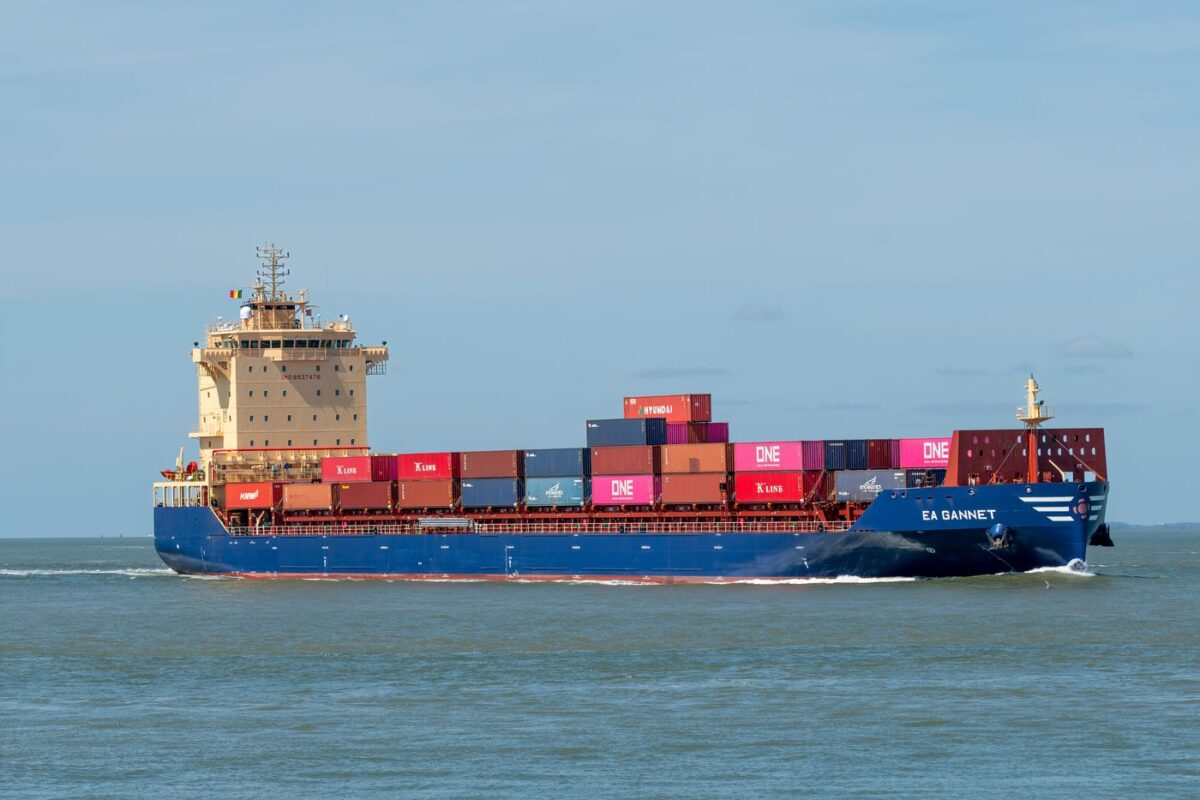
A Vietnamese owner whose vessel is arrested after a collision, a pollution escape or a cargo claim usually learns one thing quickly: hull insurance does not answer most of the liabilities that actually stop a ship trading. The gap is filled by P&I insurance Vietnam owners, managers and charterers buy through mutual clubs, and the quality of that cover decides whether a casualty becomes a manageable claim or a balance-sheet event.
The commercial risk in P&I insurance Vietnam placements is rarely the headline limit. It is the rule-based defences, the late notice, the unpaid call, the uncovered contractual indemnity and the slow release of an arrested ship. This article explains what P&I covers, how club rules operate, how a letter of undertaking frees a vessel, where direct action by claimants arises, and what Vietnamese owners should check before the next renewal.
Scope note: club practice here is international market practice or English-law doctrine, not Vietnamese law unless stated.
Table of Contents
- What P&I Covers and What It Does Not
- How a Protection and Indemnity Club Works
- P&I Insurance Vietnam: Position of Vietnamese Owners
- Letter of Undertaking and Release from Arrest
- Direct Action and Third-Party Claimants
- Claims Handling Playbook and Hypothetical Scenario
- Conclusion and Next Step
- FAQs
What P&I Covers and What It Does Not
P&I insurance Vietnam owners rely on is, at its core, third-party liability insurance for the operation of a ship. Hull and machinery policies protect the vessel as an asset. P&I protects the owner against what the ship does to other people and property, and against certain statutory burdens.
Core heads of shipowner liability cover
Shipowner liability cover under club rules typically responds to the following categories, subject always to the rules and the policy year terms:
- death, injury and illness of crew, passengers and other persons on board or near the ship;
- loss of or damage to cargo carried, including liability under bills of lading;
- the proportion of collision liability not recovered under the hull policy, and damage to fixed and floating objects;
- oil and hazardous substance pollution, including clean-up and third-party claims;
- wreck removal where compulsory or required by the authorities;
- towage and salvage-related liabilities, fines in specified circumstances, and certain sue-and-labour style costs.
Defence costs follow covered liabilities, while freight, demurrage and defence cover for commercial disputes is often placed separately.
Typical exclusions and rule-based defences
The club’s discretion and the rule book are as important as the cover list. Common reasons a member finds a claim reduced or refused include:
- late or incomplete notice of an incident, which prejudices investigation and evidence;
- breach of classification, flag, certification or trading warranty obligations;
- deliberate or reckless conduct and certain unlawful trading;
- liabilities assumed by contract beyond what the law would impose, unless approved in advance;
- war and terrorism risks, which are insured in separate war risks arrangements;
- non-payment of calls or premiums, which can end cover.
Takeaway: a clean certificate of entry does not prove a claim is covered. Cover is determined by the rules, the entry terms and the facts of the casualty.
| Exposure | Primary insurer | Commercial impact if uninsured | Risk |
|---|---|---|---|
| Hull damage from grounding | Hull and machinery underwriters | Repair cost and off-hire borne by owner | High |
| Cargo shortage or contamination claim | P&I club | Cargo interests arrest or sue the owner | High |
| Crew death or injury | P&I club | Compensation and repatriation costs; flag and crew-claim disputes | High |
| Bunker spill pollution | P&I club, with statutory certificate | Clean-up cost, port detention, regulatory action | Fatal |
| Contractual indemnity in a charter or terminal agreement | Often not covered unless approved | Balance-sheet liability not backed by insurance | Medium |
How a Protection and Indemnity Club Works
A protection and indemnity club is a mutual association. Shipowners are both the insured and, collectively, the insurers. There is no outside shareholder to remunerate, which is why the cost of cover tracks the claims record of the pool rather than a fixed premium rate.
Mutuality, rules and calls
Members are bound by the club rules, which function as the policy. Contributions are collected as calls. An advance call is set at the start of the policy year based on tonnage and claims experience. The club may then levy supplementary calls if claims exceed the budget, and a release call mechanism can finish the year when an owner leaves. Members should therefore treat the entry cost as a contribution subject to later adjustment, not as a fixed premium. Check the club’s current rules on the possibility and basis of supplementary calls before entering.
Rules usually apply a pay to be paid principle: the member must first discharge the liability before the club reimburses it. That doctrine is part of English-law market practice, and it shapes both how third parties can reach the club and what the owner must do when it cannot pay a judgment.
International Group clubs, reinsurance and blue cards
The largest clubs belong to the International Group, a pooling arrangement that shares large claims above a retention and buys collective excess reinsurance. International Group clubs are widely regarded by charterers, ports, banks and terminals as the benchmark for cover, which is why their certificates ease trading, financing and port entry.
For ships carrying oil in bulk and for bunker pollution, clubs issue the certificates that the state-of-registry or port state requires under the civil liability regimes. These certificates are often called blue cards because the club undertakes to the competent authority to stand behind the owner’s liability.
The International Maritime Organization publishes the status of the relevant liability conventions at imo.org, and owners should confirm their own flag’s current position before assuming a certificate regime applies.
Is your fleet’s P&I entry aligned with your charters and financing documents? IVLF can carry out a confidential preliminary review of your entry terms, club rules extracts and charter indemnities under NDA, and identify where cover and contract diverge.
P&I Insurance Vietnam: Position of Vietnamese Owners
Owners dealing with P&I insurance Vietnam rules face two layers of questions. The first is which insurer will cover third-party liabilities. The second is which Vietnamese rules affect how that insurance is bought, certified and enforced.
Why P&I insurance Vietnam buyers should check the insurance and maritime framework
Vietnam’s maritime liability and ship arrest rules sit in the Maritime Code 2015 (Law No. 95/2015/QH13, effective 1 July 2017, consolidated as 101/VBHN-VPQH of 26 August 2025). The specific chapters on liability limitation, arrest and compulsory insurance should be read in the consolidated text.
The Law on Insurance Business No. 08/2022/QH15 (effective 1 January 2023, amended by Law No. 139/2025/QH15) governs insurance undertakings and distribution in Vietnam. Whether a Vietnamese-flag or Vietnam-owned vessel may place third-party liability with a foreign mutual club, and what local documentation is required, is a regulatory question that must be confirmed with the authorities.
A Vietnamese owner or manager should treat P&I insurance Vietnam compliance as three separate checks: the club entry, the statutory certificates the ship needs for port entry, and any local insurance requirements that apply regardless of the club.
Practical steps for Vietnamese owners and charterers
- Confirm that the club is acceptable to charterers, financiers and the ports the ship will call at.
- Obtain the current rules, the certificate of entry and the list of correspondents in the trading area.
- Confirm the entry covers all trading, including coastal, offshore or towage operations the ship actually performs.
- Align the covered liabilities with charter clauses, terminal agreements and bills of lading used by the company.
- Notify changes of flag, class, manager, trade or cargo before they take effect, because rule-based defences often start there.
Charterers and cargo interests should ask for evidence of cover, not just a name. Vietnam’s regulator websites at vimawa.gov.vn and the Ministry of Construction publish port and maritime administration notices that can affect compliance, and should be monitored with the ship manager. For related reading on enforcing claims against ships, see political risk insurance (MIGA and PRI).
Letter of Undertaking and Release from Arrest
When a claimant arrests a ship to obtain security, the commercial objective is a quick release. The ship earns nothing while detained, and charter parties may allow cancellation after prolonged off-hire. The standard route is a letter of undertaking issued by the club, which gives the claimant acceptable security without a cash deposit. Our note on trade credit insurance for exporters covers the wider enforcement context.

How a club letter of undertaking works
A letter of undertaking is a written promise from the club to pay a claim, or to satisfy a judgment or arbitral award, up to a stated amount, in exchange for the claimant releasing or not arresting the ship. It is a contract between the club and the claimant. Clubs issue it only for liabilities falling within cover, and usually require the member to give a counter-indemnity or to satisfy the club about the claim.
Claimants and courts commonly accept club letters because the club’s financial standing is well known, a practical advantage of P&I insurance Vietnam owners obtain from established clubs. For a lesser-known insurer or a local company, expect the claimant to insist on cash, a bank guarantee or another form of security.
Points to negotiate before releasing the ship
- the exact amount, currency and expiry or release conditions of the undertaking;
- the forum and governing law for the underlying claim, so that the undertaking does not waive jurisdiction defences;
- whether the undertaking covers interest and costs and, if so, how they are capped;
- a clear statement that the undertaking does not admit liability;
| Issue | Legal position | Commercial impact | Risk | Mitigation |
|---|---|---|---|---|
| Claim outside cover | Club may decline the letter of undertaking | Owner must post cash or bank security | High | Check the claim type against the rules at first notice |
| Excessive security demanded | Amount is negotiated; forum may review | Prolonged detention and off-hire | High | Prepare evidence on claim value and apply to reduce |
| Undertaking wording too wide | Binds club and may bind owner by counter-indemnity | Waiver of defences or jurisdiction | Medium | Lawyer reviews text before signature |
| Non-member vessel | No club to issue it | Slow release, reliance on bank guarantee | Fatal | Arrange standby security lines in advance |
Whether and how Vietnamese courts and the Maritime Administration process a letter of undertaking from a foreign club in an arrest release is a matter of local procedure.
Direct Action and Third-Party Claimants
Third parties injured by a ship generally want to claim against the insurer, which is solvent, rather than against the owner, which may be a single-ship company. Whether they can do that depends on the legal basis.
When a claimant can proceed by direct action
Under the civil liability conventions for oil pollution and bunker oil, claimants may bring a claim directly against the insurer or guarantor providing the certificate. This is a core reason the blue card exists. The insurer may usually rely on a limited set of defences, such as wilful misconduct of the owner, and the owner’s right to limit liability.
Outside those regimes, the position is different. As a matter of English-law doctrine, a third party has historically had no right to sue the liability insurer directly. Statutory rights to pursue an insolvent insured’s insurer exist but are subject to the conditions of the policy and the club rules. Direct action rights in other jurisdictions, including Vietnam, should be confirmed.
What owners should do about direct action exposure
Direct action means the claimant sees the club’s rules and may challenge its defences. Owners should therefore expect that late notice, rule breaches or unpaid calls will surface in the claim and not only in the owner’s relationship with the club. Maintain complete entry compliance and avoid rule breaches that the club can raise against third parties.
Claims Handling Playbook and Hypothetical Scenario
The following steps apply to most serious incidents. The deadlines are items to check against your rules and contracts, not statements of Vietnamese law.
- Notify the club immediately. Provide the facts you know, the vessel’s position and the persons affected. Do not wait for a complete investigation.
- Appoint the correspondent. Use the club-recommended local correspondent to attend the vessel and the authorities.
- Preserve evidence. Secure logbooks, voyage data recorder data, bridge and engine records, cargo documents, crew statements and photographs.
- Limit written admissions. Route communications with claimants and authorities through counsel and the club.
- Protect time bars. Check carrier time-limit clauses and calendar limitation dates for each claim head.
- Prepare security. Discuss early whether a letter of undertaking is available for the likely claim and what the club will need from you.
Hypothetical scenario
Hypothetical scenario: a Vietnamese-owned bulk carrier, entered with a club, discharges part of a cargo at a foreign port. The receiver alleges contamination and seeks to arrest the ship at the next port. Assumptions: the claim type falls within the rules; the owner notified the club the day the receiver complained; the charter contained a standard indemnity that the club has approved; the claimed amount is large but disputed; no insolvency issues arise.
The club issues a letter of undertaking in a negotiated amount, the arrest is lifted, the ship sails and the merits are determined later in the agreed forum. If instead the owner had delayed notice and the cargo documents had been lost, the club could have reserved its position, the letter might have been refused, and the owner would have had to put up a bank guarantee to free the ship. The difference is process discipline, not the policy wording.
Conclusion and Next Step
The value of P&I insurance Vietnam owners buy lies in the match between the club rules, the owner’s contracts and the discipline of its claims process. Headline limits matter less than notice, compliance and the ability to obtain a letter of undertaking quickly.
Practical next action: before your next renewal or charter, compare the club rules extract, the certificate of entry and your charter indemnities clause by clause, and list every liability you have accepted that the club may not cover. Seek advice on any gap before you sign.
Frequently Asked Questions
Does hull insurance replace P&I cover?
No. Hull policies insure the ship itself, plus a share of collision liability. P&I responds to liabilities to third parties such as cargo, crew and pollution claimants, so most commercial operators carry both.
Can a club refuse a claim after a casualty?
Yes, within its rules. Late notice, rule or warranty breaches, uncovered contractual liabilities and unpaid calls are common grounds. Owners should read the rules and notify promptly.
Is a letter of undertaking the same as a bank guarantee?
No. It is the club’s own promise to pay within stated limits. Claimants often accept it from known clubs, but may require a bank guarantee or cash from other insurers.
Can a claimant sue the club directly?
Sometimes. Direct action exists under certain liability conventions and in some jurisdictions, but not generally under English-law doctrine. Confirm the rule for Vietnam.
Do Vietnamese owners need a local insurer as well?
That depends on flag, trade and local requirements, which should be confirmed with the authorities and a Vietnamese lawyer before placing cover.
This article provides general information as of 14 October 2026 and is not legal advice for any specific matter. Club rules, convention status and Vietnamese regulations change; obtain advice on your own facts before acting.
Or contact us directly:
Contact IVLF LawyerCompany Formation Services – IVLF Advisors
This article is provided for general information only and does not constitute legal advice for any specific case. Regulations may change – please consult a qualified professional before acting. Should further analysis be required, please contact one of our lawyers below.