
Vietnam’s export-manufacturing boom has a quiet bottleneck: the country does not own enough of the boxes, chassis, and yard equipment that move its exports to port. Container and port equipment financing shares its classification and cross-border documentation challenges with other transport-asset financing in Vietnam; see IVLF’s guide to rolling stock financing in Vietnam.
Container financing Vietnam structures, covering everything from owned and leased container fleets to reach stackers, automated storage systems, and port-handling cranes, have become the unglamorous but decisive infrastructure layer behind Vietnam’s freight growth, and the financing choices logistics operators make now will determine whether that growth is captured by domestic operators or ceded to foreign carriers who already control the equipment.
Unlike aircraft or vessel financing, container financing Vietnam deals rarely make headlines, yet they involve the same core legal questions, asset classification, cross-border ownership, security perfection, and lease accounting treatment, applied to a much larger and more fragmented asset base spread across depots, ports, and inland container terminals nationwide.
1. Why Container Financing Vietnam Deals Are Structurally Different
Any container financing Vietnam mandate starts with this structural question, and lenders underwriting a container financing Vietnam facility will not move past it until the pool of equipment and the counterparty risk are both clear.
Container financing Vietnam differs from most equipment leasing because the asset moves constantly and crosses jurisdictions as a matter of course, a laden container leaving Cat Lai port may be in Vietnamese territorial waters, international waters, and a foreign port within days. That mobility complicates the two things equipment lessors care about most:
knowing where the collateral is, and being able to repossess it on default. Container leasing globally has solved this through standardised master lease agreements and a small number of specialist international lessors, and Vietnamese logistics operators financing fleets domestically need to replicate that discipline contractually even where the counterparty is a local bank or leasing company rather than a global container lessor.
Port equipment and warehouse automation, by contrast, are fixed-location assets and behave more like conventional equipment finance, but they carry their own complication:
much of the specialised handling equipment used in Vietnam’s container terminals, reach stackers, rubber-tyred gantry cranes, automated guided vehicles, is imported, expensive, and technologically fast-moving, which pushes residual value risk onto whichever party holds the equipment at the end of the financing term.
The financing decision also has a currency dimension unique to container financing Vietnam structures: containers and much port equipment are priced and traded internationally in US dollars, while lease payments from Vietnamese logistics operators are typically collected in Vietnamese dong, creating a currency mismatch that either the lessor or the lessee must absorb or hedge.
Lessors who ignore this mismatch and price purely in dong risk margin erosion on every dollar of currency movement over a multi-year lease term, while lessees who accept dollar-denominated lease payments without matching dollar-denominated freight revenue take on the same risk in reverse.
2. Operating Lease Versus Finance Lease Treatment for Container Fleets
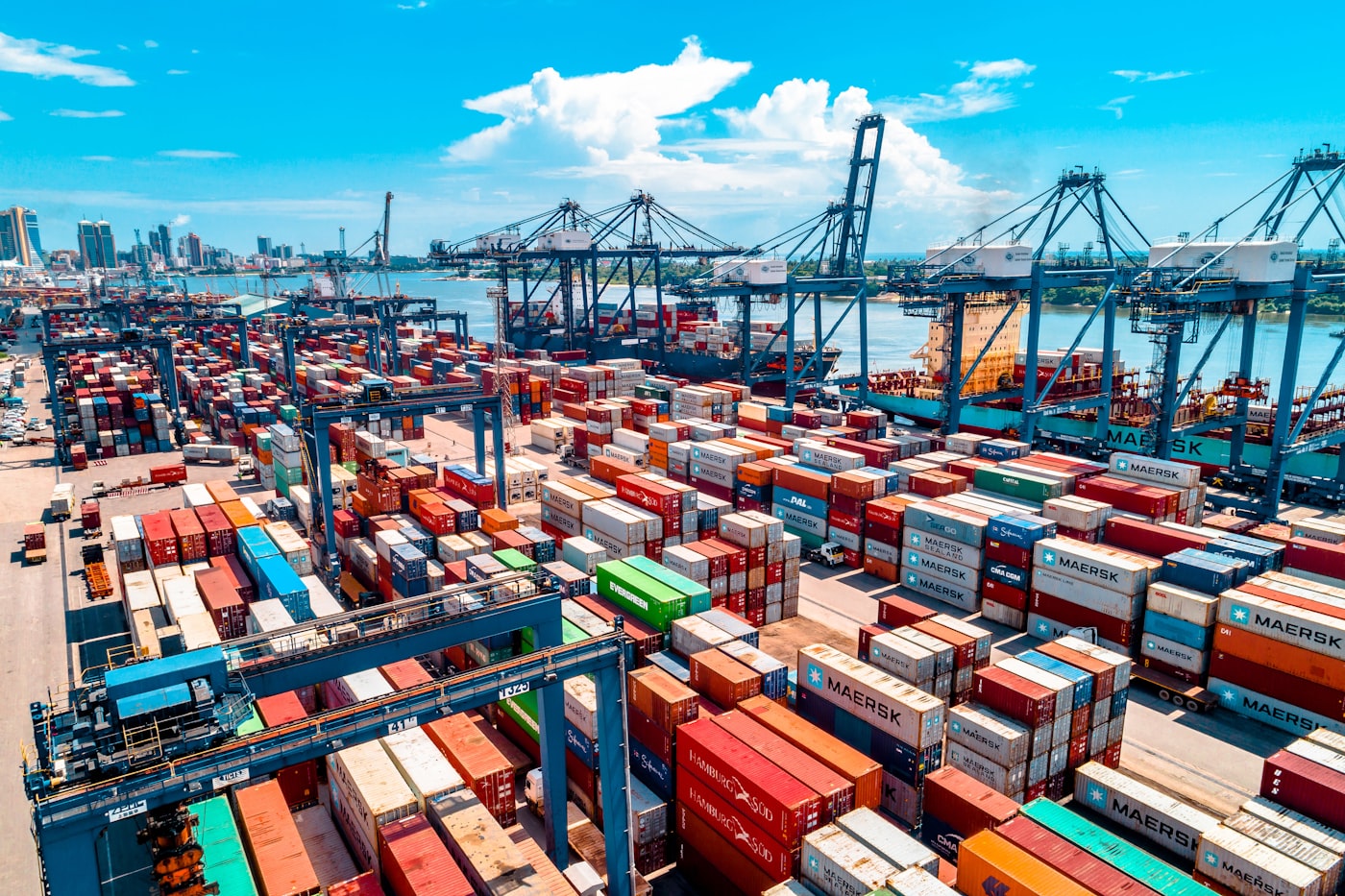
Classification drives everything else in a container financing Vietnam facility, since the accounting and tax treatment chosen at signing will shape the economics of the container financing Vietnam arrangement for its full term.
The classification question sits at the centre of every container financing Vietnam transaction. A container fleet financed under an operating lease keeps the asset off the lessee’s balance sheet and shifts residual value risk to the lessor, an attractive structure for logistics operators managing fleet size seasonally around export demand cycles.
A finance lease, by contrast, transfers substantially all the risks and rewards of the container fleet to the lessee, who typically records the asset and a corresponding liability, and who bears the risk that container values fall faster than anticipated in a soft freight market.
Why the Classification Choice Is Not Just an Accounting Preference
Under Vietnamese lease accounting principles applied alongside the Civil Code 2015’s asset and security rules, the classification also determines how a lessor perfects its interest in the containers:
a finance lessor typically needs to register its security interest with the National Registration Agency for Secured Transactions (NRAST), while an operating lessor’s ownership is protected simply by retained title, provided the lease documentation and container marking make ownership unambiguous to third parties, including customs authorities who may otherwise treat an unmarked or ambiguously documented container as the lessee’s asset in an enforcement dispute.
Insurance allocation is a second recurring gap in container financing Vietnam documentation. A container moving through a multi-leg voyage passes through several distinct insurance regimes, marine cargo cover while at sea, inland transit cover on the trucking leg, and terminal operator liability while sitting in a yard, and a financing agreement that assumes a single continuous insurance policy covers the asset throughout its lifecycle typically leaves gaps precisely at the handoff points between these regimes, which is exactly where damage and loss claims most often arise in practice.
3. Cross-Border Container Pooling and Repositioning Arrangements
Cross-border pooling is where most container financing Vietnam structures run into friction, because repositioning costs and FX exposure both need to be priced into the container financing Vietnam facility from day one.
Vietnamese exporters increasingly participate in cross-border container pooling arrangements, where containers are shared across a network of lessees and repositioned dynamically to wherever export demand is highest, reducing the empty-container repositioning cost that has historically eroded margins on Vietnam-origin freight.
These pooling arrangements complicate container financing Vietnam structures because the financed asset is, by design, not dedicated to a single lessee’s exclusive use, which requires the underlying financing agreement to accommodate shared utilisation reporting, insurance allocation across pool participants, and a mechanism for tracking which containers within a large fleet are actually pledged as collateral at any given time.
A lender or lessor financing a pooled container fleet needs contractual reporting rights robust enough to know, on any given date, which physical containers secure its facility,
since a pool operator’s own internal allocation records are not, on their own, sufficient evidence of a perfected security interest under Vietnamese secured transaction law if a dispute over specific units arises.
4. Port Equipment and Warehouse Automation Financing
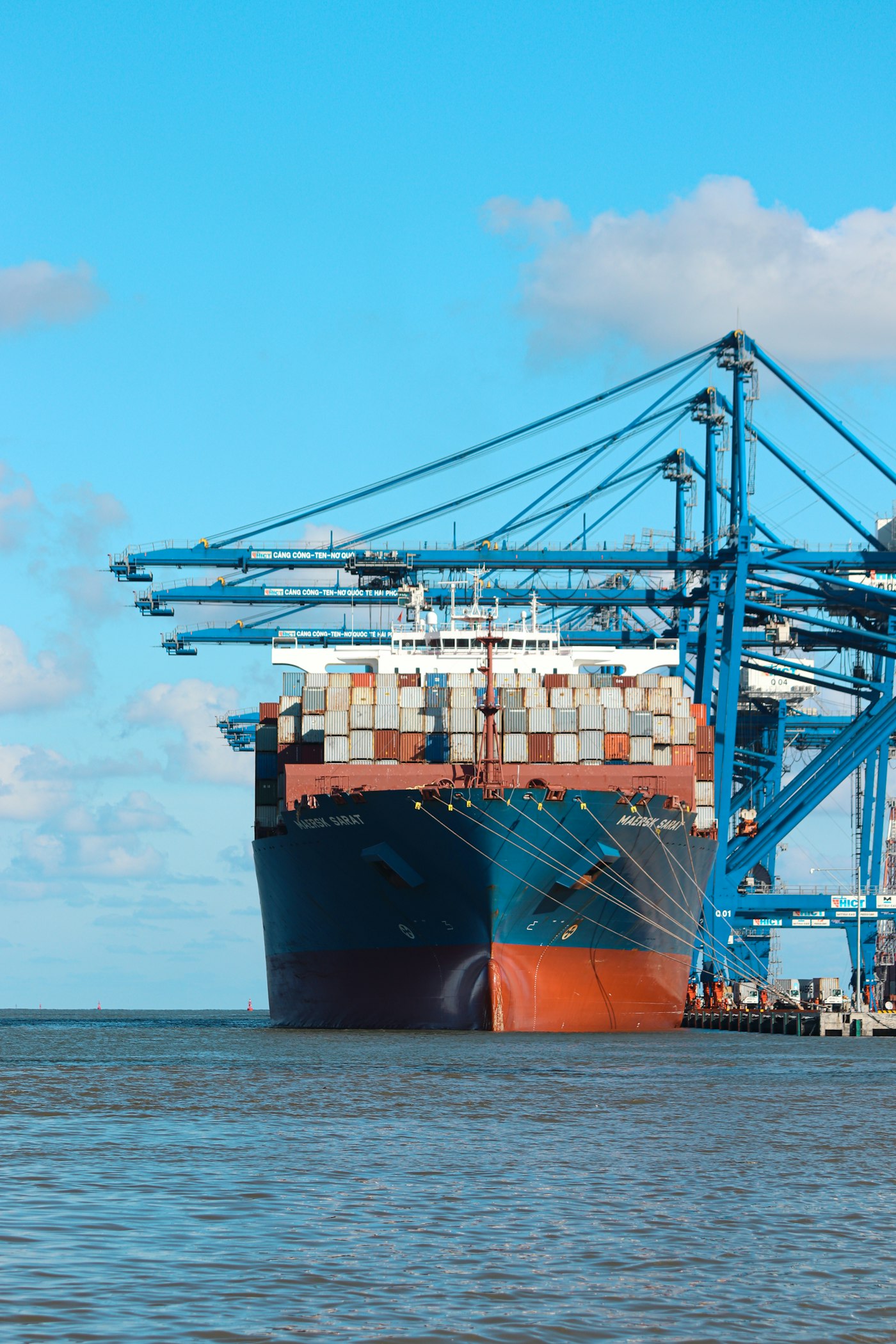
Port equipment sits alongside container fleets in most container financing Vietnam portfolios, and lenders extending a container financing Vietnam facility increasingly expect automation assets to be scoped the same way.
Financing for port-handling equipment and warehouse automation systems, automated storage and retrieval systems, conveyor sortation, robotic picking, sits closer to conventional industrial equipment leasing but carries elevated technology and obsolescence risk.
A five-year-old rubber-tyred gantry crane still functions, but a five-year-old warehouse automation system may already be commercially uncompetitive against newer robotics, which pushes sophisticated lessors toward shorter lease tenors with built-in technology refresh options rather than the longer amortisation schedules typical of heavier, slower-obsolescing port equipment.
Import duty and equipment classification also matter here:
port-handling machinery and warehouse automation systems typically enter Vietnam under specific HS code classifications that determine import duty treatment, and getting the classification wrong at the customs stage can materially change the total landed cost that the financing structure is built around, an error that is expensive to unwind once the lease has already priced against the original cost assumption.
Financing Warehouse Automation as a Software-Linked Asset
A further complication specific to warehouse automation financing is that the physical equipment increasingly depends on proprietary control software and firmware licensed separately from the hardware, meaning a lessor repossessing an automated storage system on default may recover machinery that cannot actually operate without a software licence the defaulting lessee, not the lessor, holds. Financing documentation for automation assets should therefore address software licence assignability or a fallback operating mode explicitly, rather than assuming hardware repossession alone preserves the asset’s value.
5. Structuring for Vietnam’s Continued Freight Growth
Freight growth is the long-term case for container financing Vietnam facilities, and operators who lock in a scalable container financing Vietnam structure now will be better placed as volumes expand.
Container financing Vietnam terms should also anticipate seasonal utilisation swings tied to export cycles ahead of major holiday retail periods abroad, when container demand and lease rates both spike, followed by a slower season when idle equipment sits at the lessee’s cost. Facilities that build in flexible drawdown against a committed fleet ceiling, rather than a fixed lease schedule, generally serve both exporters and their financiers better than rigid annual lease commitments sized for peak demand alone.
Vietnam’s freight volumes are on a structural growth path as manufacturing continues to relocate into the country, and container financing Vietnam structures that are built to scale, standardised documentation, clear collateral tracking for pooled fleets, and technology-refresh flexibility for automation assets, will outcompete ad hoc, deal-by-deal financing as fleet sizes grow.
Operators still financing container and port equipment through generic equipment loan templates should expect those templates to strain as fleet complexity increases.
As previously discussed in our analysis of Vietnam vessel finance structures, maritime-adjacent asset financing in Vietnam consistently rewards sponsors who build jurisdiction-specific documentation early rather than adapting a foreign template after the fact, and the same discipline applies to container fleets and port equipment.
For classification questions specific to finance versus operating lease treatment, our review of Vietnam’s finance lease and operating lease rules sets out the underlying accounting and security distinctions in more detail.
Operators structuring cross-border container pooling arrangements should also confirm current vessel and container documentation requirements with the Vietnam Maritime Administration, whose guidance governs registration and movement documentation for maritime-linked equipment nationwide.
Frequently Asked Questions
Why is container financing structurally different from standard equipment financing in Vietnam?
Vietnam does not own enough of the boxes, chassis, and yard equipment that move its exports to port, and much of this equipment moves across borders as part of cross-border pooling and repositioning arrangements, which adds a jurisdictional layer standard domestic equipment financing does not have.
Should a container fleet be financed as an operating lease or a finance lease?
The classification choice is not just an accounting preference; it affects the security and risk allocation between lessor and operator, so operators should confirm the appropriate classification early rather than defaulting to whichever is administratively simplest.
What documentation is needed for cross-border container pooling?
Operators structuring cross-border container pooling arrangements should confirm current vessel and container documentation requirements with the Vietnam Maritime Administration, since these requirements govern how pooled equipment moves and is tracked across jurisdictions.
Can warehouse automation equipment be financed the same way as containers?
Not exactly. Warehouse automation is increasingly financed as a software-linked asset, which raises different structuring questions around technology licensing and obsolescence than a standard container or chassis financing.
IVLF advises logistics operators, ports, and their financiers on structuring container fleet, port equipment, and warehouse automation financing in Vietnam, from lease classification and NRAST security registration through to cross-border documentation. As a structured finance law firm Vietnam logistics operators rely on for maritime-adjacent asset finance, we focus on jurisdiction-specific documentation and classification choices that hold up when a fleet moves across borders, not just domestically. Contact IVLF to structure your container or port equipment financing.
This article is provided for general information only and does not constitute legal advice for any specific case. Regulations may change – please consult a qualified professional before acting. Should further analysis be required, please contact one of our lawyers below.