
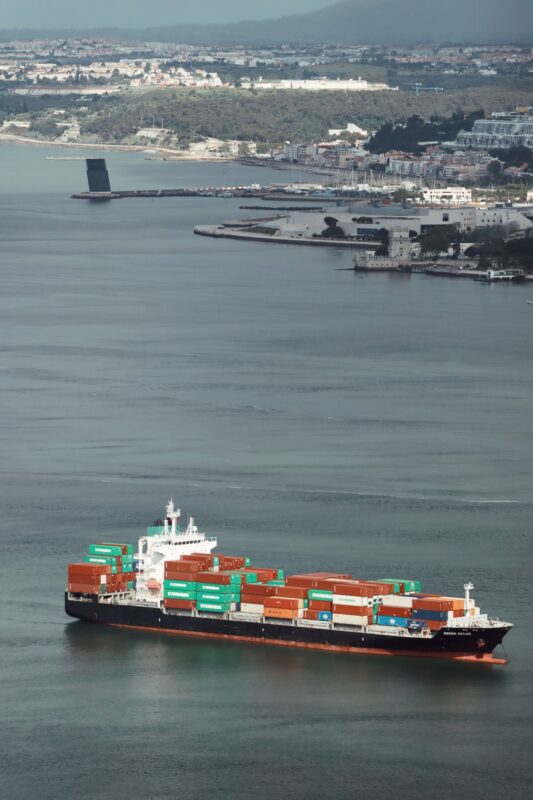
The price of a second-hand vessel is the smallest number in the transaction. The expensive numbers are hidden: an unpaid maritime claim that follows the hull to a new owner, a class record that conceals a recurring structural defect, a deposit released to a seller who cannot deliver clean title, or a deletion certificate that arrives three weeks after the delivery window closes. Buying a ship in Vietnam combines an international sale form, usually negotiated under English law, with a domestic regulatory layer covering registration, deregistration and taxation.
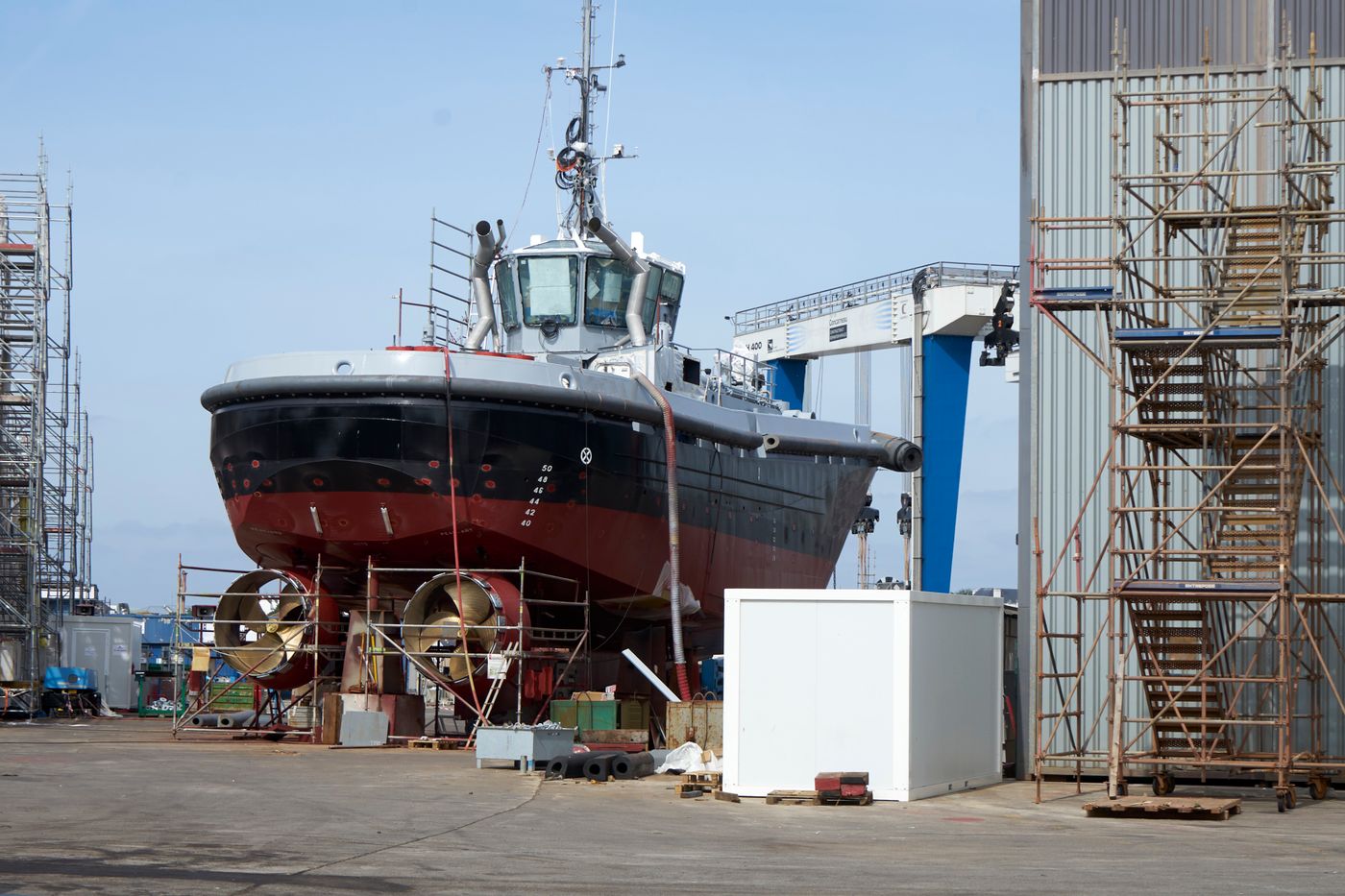
This article on buying a ship in Vietnam gives buyers, financiers and in-house counsel a working checklist. It explains how to structure the memorandum of agreement, what to inspect, how to prove clean title, how to protect the deposit and how to close. The central rule: price is negotiated once, but protection must be built into every clause, because after delivery the buyer’s leverage is gone.
Table of Contents
- How buying a ship in Vietnam is structured
- The memorandum of agreement and the Norwegian Saleform
- Second-hand vessel due diligence
- Title, encumbrances and the deletion certificate
- Deposit, escrow and payment mechanics
- Ship purchase tax and cost allocation
- Delivery, closing and registration
- Risk matrix for buyers
- Frequently Asked Questions
- Conclusion and next step
How buying a ship in Vietnam is structured
A purchase has three layers that must align: the commercial contract between buyer and seller, the regulatory process that moves the vessel off one register and onto another, and the financing and insurance arrangements that depend on both. Problems arise when the layers run on different clocks.
Buying a ship in Vietnam: contract layer and regulatory layer
On the Vietnamese side, Decree 171/2016/NĐ-CP governs registration, deregistration, purchase, sale and building of seagoing vessels. It was amended by Decree 247/2025/NĐ-CP of 15 September 2025, effective 30 October 2025, which clarifies registration without time limit and ship-age rules. The wider legal frame is the Vietnam Maritime Code 2015 (Law 95/2015/QH13), in force since 1 July 2017. Which chapter or article applies to a specific step, and which agency approves it, should be confirmed for each deal.
Sale contracts for international tonnage are commonly governed by English law with London arbitration. That is market practice, not Vietnamese law. A Vietnamese buyer should assume that the contract will be read by English-law rules, while registration and tax outcomes will be decided by Vietnamese authorities.
Who is the buyer?
Before negotiating, decide which entity will own the vessel. Ownership by a Vietnamese company, by an offshore single-purpose company, or by a financier-controlled vehicle leads to different flag options, tax profiles and security structures. Foreign-ownership conditions for registering a vessel under the Vietnamese flag must be verified against current rules.
The memorandum of agreement and the Norwegian Saleform
Most second-hand deals are concluded on a standard form, and the ship sale and purchase agreement is usually a short recap plus a rider. The Norwegian Saleform, published by the Norwegian Shipbrokers’ Association and revised in 2012 (market practice, English-law drafting), is the best-known template. A broker typically circulates the main terms as a recap, and a memorandum of agreement ship buyers and sellers sign then becomes binding, often with a “subject to” list that determines whether either party can walk away.
Standard forms are balanced for the average transaction. Yours may not be average. Every deal needs a rider of tailored clauses.
Subjects and conditions precedent
The “subjects” are the buyer’s exit gates. Typical ones are satisfactory inspection, class records review, board and financing approval, and satisfactory legal review. Each subject should carry a deadline, a named decision maker and a defined test. A subject without a deadline is an option held by the seller’s patience.
Clauses that deserve a rider
| Clause | Standard form position | Commercial impact | Risk | Mitigation |
|---|---|---|---|---|
| Condition on delivery | Vessel delivered in the same condition as inspected, fair wear and tear excepted | Disputes on what counts as wear and tear | Medium | Attach an agreed inspection report and list of known defects |
| Class status | Class maintained free of recommendations at delivery | Hidden overdue surveys become buyer’s cost | High | Require class confirmation and survey status letter on the delivery date |
| Encumbrances | Seller warrants vessel free from mortgages, maritime liens and claims | Warranty is only as good as the seller’s credit | Fatal | Condition precedent: registry search, lender release letters, escrowed payment |
| Deposit | Typically ten per cent held in a joint account | Release disputes freeze funds | High | Bank-agency escrow with written release conditions |
| Delivery window | Fixed date or range with cancelling date | Late deletion paperwork triggers cancellation fights | High | Seller to pre-file deletion papers and confirm timetable in writing |
| Dispute forum | London arbitration under English law is common | Cost and enforcement planning | Medium | Check enforcement route against Vietnamese assets in advance |
For a broader view of how foreign-law contracts interact with Vietnamese registration, see our vessel finance legal safeguards.
Considering a vessel purchase? IVLF can carry out a confidential preliminary review of your draft memorandum of agreement, title position and registration route under an NDA, so that gaps are identified before the deposit is committed.
Second-hand vessel due diligence
Second-hand vessel due diligence is the phase where a buyer converts a seller’s statements into verified facts. Technical, legal and commercial streams should run in parallel and report to a single deal lead.
Technical stream
- Physical inspection by an independent surveyor, including tank, hold and engine room condition.
- Review of class records, survey status, outstanding recommendations and conditions of class.
- Drydock history, thickness measurements and any history of repairs after casualty.
- Statutory certificates, safety management documents and port state control record.
- Bunker, lubricant and spares on board, plus how they will be accounted for at delivery.
The class society is a useful independent witness, but its records show what was reported, not what was done well. Ask for the full survey history, not a summary letter.
Legal stream
The legal review should confirm the seller’s identity and authority, the vessel’s registered ownership chain, and the absence of mortgages, liens, arrests, charters and pending claims. Where the vessel is on charter, check whether the charter will be assigned, terminated or novated, and who owes accrued hire or bunkers at delivery.
Hypothetical scenario
Hypothetical scenario. Assumptions: a Vietnamese company agrees to buy a ten-year-old bulk carrier from an offshore seller, with a deposit paid on signing and delivery planned at a foreign port. The class letter shows no recommendations. A registry search, performed late, reveals a mortgage in favour of a lender and an unpaid repair bill that the yard says carries a possessory lien.
If the buyer’s contract had required a lender release letter and a yard lien clearance as conditions precedent, the buyer could suspend payment and, if unresolved, cancel and recover the deposit. Without these clauses, the buyer may have paid the full price into a seller account while the mortgagee retains security over the ship. The scenario shows why lien and mortgage clearance should be written into the contract as delivery conditions and not left to a seller warranty.
Title, encumbrances and the deletion certificate
Clean title is the buyer’s single most valuable acquisition. A vessel can carry hidden burdens: registered mortgages, maritime claims that rank ahead of mortgages, and claims that support arrest. Which claims enjoy priority and how they bind a purchaser depends on the governing law and on the law of the place where the vessel is arrested or sold, so analysis should be done for each relevant jurisdiction.
Searches to commission
- Registry search at the current flag state, to confirm owner, mortgages and registered interests.
- Search for arrests, court proceedings and judgments in the ports where the vessel trades.
- Check of the seller’s corporate status, directors’ authority and any insolvency indicators.
- Confirmation of unpaid crew wages, port dues, repair bills and bunker supplies.
Deletion from the existing register
A vessel cannot sit on two registers in the same way. The seller must deliver the documents that allow the old flag to delete the ship, typically a certificate or confirmation that the ship has been or will be deleted. Where the vessel is leaving a mortgaged register, the lender’s consent is part of that process. Where the vessel is currently on the Vietnamese register, Decree 171/2016/NĐ-CP as amended by Decree 247/2025/NĐ-CP is the starting point, and the competent registry should confirm the documents and timetable.
Practical rule: make delivery conditional on an agreed set of title documents, and stipulate that payment of the balance releases only against them.

Bill of sale and warranty of title
The bill of sale transfers property. It should be signed by an authorised signatory, notarised or legalised as required, and held in escrow until payment. The memorandum of agreement should contain a warranty that the vessel is delivered free of all charges and an indemnity that is backed by something more than the seller’s goodwill, such as a retention, a guarantee or a parent company undertaking.
Our guide to ship mortgage and maritime asset finance in Vietnam explains how indemnity and security packages are typically built around such obligations.
Deposit, escrow and payment mechanics
The deposit is usually the buyer’s first exposure and the seller’s first protection. Under market practice, a deposit of around ten per cent of the price is held in a joint account at a named bank and released to the seller at delivery. The buyer’s risk is that the seller has a legitimate dispute over release, the bank holds funds, and nobody can move them.
Making escrow work
- Choose an escrow agent that is a regulated bank, with a clear instruction letter signed by both parties.
- State the release conditions: signed protocol of delivery and acceptance, or tribunal decision.
- State the refund conditions: failed subject, seller default, or cancellation for late delivery.
- Agree who bears bank charges and negative interest, if any.
- Require identical instructions in the memorandum of agreement and the escrow letter.
Where the buyer is financed, the lender normally controls the flow of funds. The buyer should avoid a gap where the lender will not fund until title is perfected and the seller will not deliver until funds are released. Pre-agreed simultaneous closing, with all documents held in escrow by counsel, solves this.
Ship purchase tax and cost allocation
Ship purchase tax is a field in which assumptions are expensive. The tax treatment of a vessel acquisition depends on who the buyer is, where the vessel is located at delivery, whether the vessel is imported into Vietnam, and how the price is documented. Import duty, value added tax, registration fees and any other charges should be confirmed with the tax authority or an adviser before the price is fixed.
Allocate costs expressly
The standard forms are silent on many local costs. The memorandum of agreement should say who pays for registry fees, notarial and legalisation costs, translation, survey fees, deletion costs, agency fees and any taxes triggered by the sale or import. Without this, the party who acts first often pays.
| Cost item | Who commonly bears it | Action for buyer |
|---|---|---|
| Inspection and class survey | Buyer | Budget and agree access dates |
| Deletion from old registry | Seller | Make it a delivery condition |
| Registration at new registry | Buyer | Pre-clear documents list |
| Import duty and VAT, if applicable | Depends on contract and law | Verify before price agreement |
| Bank and escrow charges | Shared or by agreement | Write into the escrow letter |
Delivery, closing and registration
Buying a ship in Vietnam ends in a choreographed delivery event. A well-run closing has a timetable agreed days in advance, a checklist of documents, and a lawyer at each end.
Closing checklist
- Pre-delivery inspection of the vessel, with a signed condition report.
- Confirmation of class status and statutory certificates on the delivery date.
- Bill of sale, commercial invoice and protocol of delivery and acceptance, signed.
- Seller’s certificate of non-encumbrance and lender release letters.
- Confirmation from the old registry that deletion will follow or has occurred.
- Payment against documents, with simultaneous release of escrow funds.
- Crew changeover, bunker and stores reconciliation, and handover of logs and manuals.
- Insurance in force for the buyer from the moment risk passes.
Registration with the new flag
For a vessel entering the Vietnamese register, the applicant needs to choose the type of registration. The amendments introduced by Decree 247/2025/NĐ-CP address registration without time limit and ship-age rules, so check which route is available for the vessel’s age and ownership before commitment. Documents, deadlines and fees should be confirmed with the registry. Official portals such as the Vietnam Maritime and Waterway Administration publish updates and consolidated texts.
Risk matrix for buyers
| Issue | Legal position | Commercial impact | Risk | Mitigation |
|---|---|---|---|---|
| Hidden maritime liens | May survive transfer, depending on law and forum | Arrest of the vessel after purchase | Fatal | Searches, warranty, indemnity, escrow, lender release letters |
| Unregistered or disputed title | Buyer may acquire no better title than seller had | Loss of asset and price | Fatal | Chain-of-title review and registry confirmation |
| Poor class and survey history | Known defects are generally for buyer’s account | Capital expenditure, off-hire, detention | High | Independent survey and price adjustment |
| Deletion delay | Depends on old flag procedure | Missed delivery window, cancellation dispute | High | Seller pre-files, timetable agreed in writing |
| Tax surprise | Verify rule at signing | Reduced return on investment | Medium | Tax opinion and cost allocation clause |
| Escrow deadlock | Contract and bank terms control | Frozen funds | Medium | Clear release conditions and dispute route |
Frequently Asked Questions
Which law governs a second-hand ship sale?
The contract usually chooses its own law, often English law, while registration, deregistration and tax are governed by the laws of the relevant flag and taxing states. Confirm both layers before signing.
How large should the deposit be?
Market practice is often around ten per cent, but it is negotiable. A smaller deposit or staged release lowers the buyer’s exposure, provided the seller accepts it.
Can I cancel if the survey is poor?
Only if the memorandum of agreement makes inspection a subject with a deadline and a defined test. Otherwise, cancelling may be treated as buyer default and the deposit may be at risk.
Does a liens search guarantee clean title?
No. A search shows what is recorded, not what is owed. Combine searches with warranties, lender release letters, escrow and indemnity backed by credit.
Who pays tax on a vessel purchase?
It depends on the parties, the place of delivery and whether the vessel is imported. Verify the position with a tax adviser before fixing the price.
Conclusion and next step
Buying a ship in Vietnam is an exercise in sequencing. Conditions precedent, escrow and title documents protect the buyer only if they are agreed before signature. Do not rely on a standard form alone, and do not close until the deletion certificate, release letters and registration path are in place.
Next action: before you sign any recap or memorandum of agreement, prepare a one-page closing schedule listing each subject, each title document, the escrow release trigger and the registration route, and test it against your lender’s requirements. IVLF can review that schedule on a confidential basis.
For regulatory background on shipping administration, see the Ministry of Construction.
This article provides general information as of 14 October 2026 and is not legal advice for a specific matter. Laws, forms and practice change, and each transaction should be reviewed on its own facts.
Or contact us directly:
Contact IVLF LawyerCompany Formation Services – IVLF Advisors
This article is provided for general information only and does not constitute legal advice for any specific case. Regulations may change – please consult a qualified professional before acting. Should further analysis be required, please contact one of our lawyers below.