
A single voyage with a disguised cargo origin, a switched-off transponder or a shell-company charterer can freeze payments, void insurance and put a bank on the wrong side of a foreign regulator. Shipping sanctions compliance is no longer a matter for large international owners alone. Vietnamese owners, charterers, banks and insurers all sit in chains where one party’s weak controls can contaminate everyone else’s position.
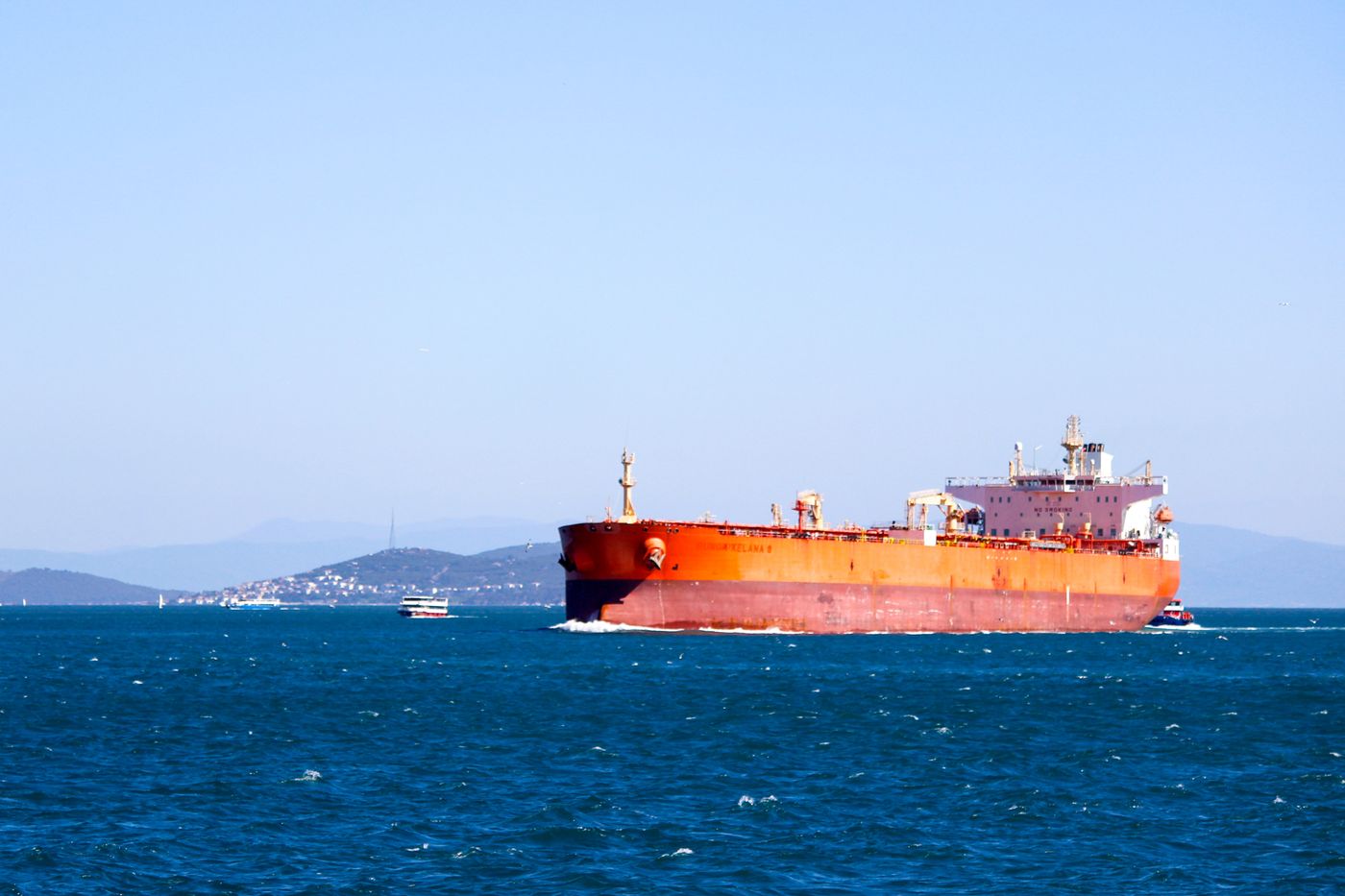
The difficulty is that sanctions risk in shipping rarely announces itself. It arrives through an unfamiliar charterer, a cargo with a vague certificate of origin, a ship-to-ship transfer at sea, or a payment routed through a third country. This article sets out a practical programme: how the risk reaches a Vietnamese business, which red flags matter, how to draft protective clauses, and what to do when something goes wrong.
Table of Contents
- How sanctions risk reaches Vietnamese shipping businesses
- Dark fleet and AIS manipulation: the red flags
- Due diligence charterers and counterparties must face
- Sanctions clauses charter party drafting
- Hypothetical scenario: a tanker fixture that looked routine
- Building a shipping sanctions compliance programme
- FAQ
- Conclusion and next step
How sanctions risk reaches Vietnamese shipping businesses
Sanctions are imposed by states and international bodies, not by shipping contracts. The United Nations Security Council, the United States, the European Union and the United Kingdom each maintain their own measures, with different legal force and reach. Whether a given measure binds a Vietnamese company as a matter of Vietnamese law is a separate question that must be checked against current instruments.
The commercial reality is different from the legal formalities. A measure that is not binding on a Vietnamese company can still damage it, because the company’s banks, insurers, reinsurers, classification societies and counterparties may be bound or may choose to comply. That is why shipping sanctions compliance is a commercial survival issue even where no Vietnamese statute is engaged.
The first task is a mapping exercise: who in your chain is exposed to which measure, and through which channel. Draw the chain from cargo interests to financier, and mark where money, documents and information pass between parties.
Four transmission channels
- Payment: funds in US dollars or through correspondent banks can be blocked or rejected.
- Insurance: cover can be suspended or unenforceable where a sanctions exclusion applies.
- Finance: loan documents typically contain sanctions covenants, representations and events of default.
- Port and flag access: vessels tied to listed persons can be refused services or be targeted for inspection.
The role of OFAC shipping guidance
The US Treasury’s Office of Foreign Assets Control (OFAC) has published guidance for the maritime sector, and OFAC shipping advisories are widely used by banks and insurers as a benchmark for what a sensible control framework looks like. At the level of principle, they emphasise institutional commitment, risk assessment, internal controls, testing and training. Treat such guidance as market practice that lenders and underwriters will expect you to know, not as a Vietnamese legal requirement.
Two features of US-style measures deserve attention. The first is the treatment of entities owned fifty per cent or more, in aggregate, by listed persons. The second is the possibility of secondary measures against non-US parties who knowingly provide significant support to a listed party. Both concepts must be checked in the current texts before they are relied on in a specific case.
Dark fleet and AIS manipulation: the red flags
The expression dark fleet is used in the market for vessels that operate outside normal transparency and oversight standards. The term is descriptive, not a legal category, and its meaning varies by speaker. In practice it points to a cluster of behaviours that should raise the compliance temperature before any fixture, bunker supply, finance or insurance decision.
What AIS manipulation looks like
The Automatic Identification System broadcasts a vessel’s identity, position and movements. AIS manipulation includes switching the transponder off, broadcasting false positions or identities, and altering data to hide a call or a transfer. A gap in transmission is not proof of wrongdoing, because equipment fails and some areas have poor coverage. A pattern of gaps near sensitive areas, combined with other flags, is what matters.
Red flags to record and escalate
- Repeated AIS gaps, especially near ports or regions subject to measures.
- Ship-to-ship transfers at sea in unusual locations or without a stated commercial reason.
- Frequent changes of name, flag, manager, owner or class, or a recently registered single-ship company.
- Old vessels with unclear insurance, or cover from an unfamiliar provider.
- Cargo documents that are vague on origin, or origin that does not fit the loading port.
- Pressure to avoid written terms, to use cash, or to route payments through third parties.
- Requests to omit the vessel name from documents or to nominate it at the last moment.
No single flag is conclusive. The point of a red-flag list is to force a documented decision, so that a reasonable person could see why the business proceeded or declined.
Why the dark fleet is a financing and insurance issue for shipping sanctions compliance
A vessel that cannot show a clean trading history may not obtain standard cover, may not be classed by a recognised society, and may be unacceptable to a bank. A Vietnamese owner or charterer that deals with such a vessel can find that its own cover or credit lines are questioned. The cost of a lost banking relationship usually exceeds the margin on one voyage. Lenders increasingly ask owners to show how their shipping sanctions compliance controls apply to every employment, including spot fixtures arranged through brokers. A written answer prepared in advance is far easier to give than one assembled under pressure during a credit review or an insurance renewal.
Concerned about a counterparty, a vessel or a charter clause? IVLF can conduct a confidential preliminary review of your sanctions controls, your standard charter terms and a specific proposed fixture, under NDA, so that decisions are documented before cargo moves.
Due diligence charterers and counterparties must face
Due diligence charterers carry out is the core of any programme. It should be proportionate to the risk, repeatable and documented. A single screening of names against published lists is the minimum, not the standard. Shipping sanctions compliance fails most often where the screening was done once at onboarding and never repeated when the vessel, the cargo or the payee changed. Re-screen at each material change, and record the date and the person responsible.
Counterparty and ownership checks
- Identify the legal entity, its directors and its ultimate beneficial owners, and keep the evidence.
- Screen the entity, owners, managers, the vessel and the cargo interests against relevant lists.
- Look through intermediate holding companies; an ownership chain that cannot be explained is a flag.
- Check the vessel’s IMO number, history of names and flags, class status and insurance.
Voyage and cargo checks
- Review at least the recent AIS history of the vessel for gaps and unexplained transfers.
- Verify the cargo’s origin against the bill of lading, certificates and commercial invoices.
- Confirm loading and discharge ports, and intermediate calls, are consistent with the declared voyage.
- Where a price-linked measure applies to a commodity, obtain the attestations the market expects.
Payment and documentary checks
- Pay only to the named party in the contract, in the agreed currency and through regulated banks.
- Refuse third-party payment instructions without written explanation and compliance approval.
- Retain the screening record, the decision and the approver’s name for each fixture.
Sanctions clauses charter party drafting
Contract terms do not make an unlawful act lawful, and a clause cannot cure a voyage that should not have been fixed, but they allocate risk and give the compliant party a way out. The practice is to use an industry-standard sanctions clause where one exists, and to tailor it to the business. BIMCO publishes standard sanctions clauses for time and voyage charters, and these are a sensible starting point, subject to review against current text.
Core elements of sanctions clauses in a charter party
- Definition: a clear definition of sanctions, covering the lists and measures the parties actually care about.
- Warranty: a statement that the vessel, owners, managers, charterers and cargo are not subject to sanctions, repeated throughout the term.
- Right to refuse or terminate: a right to refuse an order or to terminate where performance would breach sanctions or expose a party to a measure.
- Discharge and redelivery: an agreed procedure for discharging cargo and redelivering the vessel safely.
- Indemnity and costs: allocation of delay, detention, legal and substitute-cargo costs.
- Information duty: a duty to provide ownership, cargo and voyage information on request.
Linked contracts
A good charter clause is wasted if the sale contract, bill of lading, finance agreement and insurance policy say something different. Align them. In particular, check whether the loan agreement lists sanctions as an event of default, and whether the insurer’s sanctions exclusion matches the commercial exposure. Under English-law policies, the effect of a sanctions exclusion depends on the wording; that is a matter of English-law and market practice, not Vietnamese law.
| Issue | Legal position | Commercial impact | Risk | Mitigation |
|---|---|---|---|---|
| Charterer is a new single-ship company with opaque owners | Contract law governs; sanctions exposure depends on ultimate owners | Payment and cover risk if owners are listed | High | Beneficial-owner evidence as a condition precedent |
| Vessel shows repeated AIS gaps | No legal bar by itself; evidential flag | Insurer and bank concern | Medium | Obtain explanation and voyage history in writing |
| Cargo origin unclear or inconsistent | Possible breach of origin-linked measures | Seizure, delay, blocked payment | Fatal | Do not load without verified origin documents |
| No sanctions clause in the charter | Silent contract; implied remedies uncertain | Disputed delay and termination | High | Add a standard clause before the fixture |
| Third-party payment demand | Contract names a payee | Money-laundering and blocking risk | High | Refuse or escalate to compliance |
Hypothetical scenario: a tanker fixture that looked routine
Hypothetical scenario. The facts are assumed for illustration and do not describe any real company or transaction.
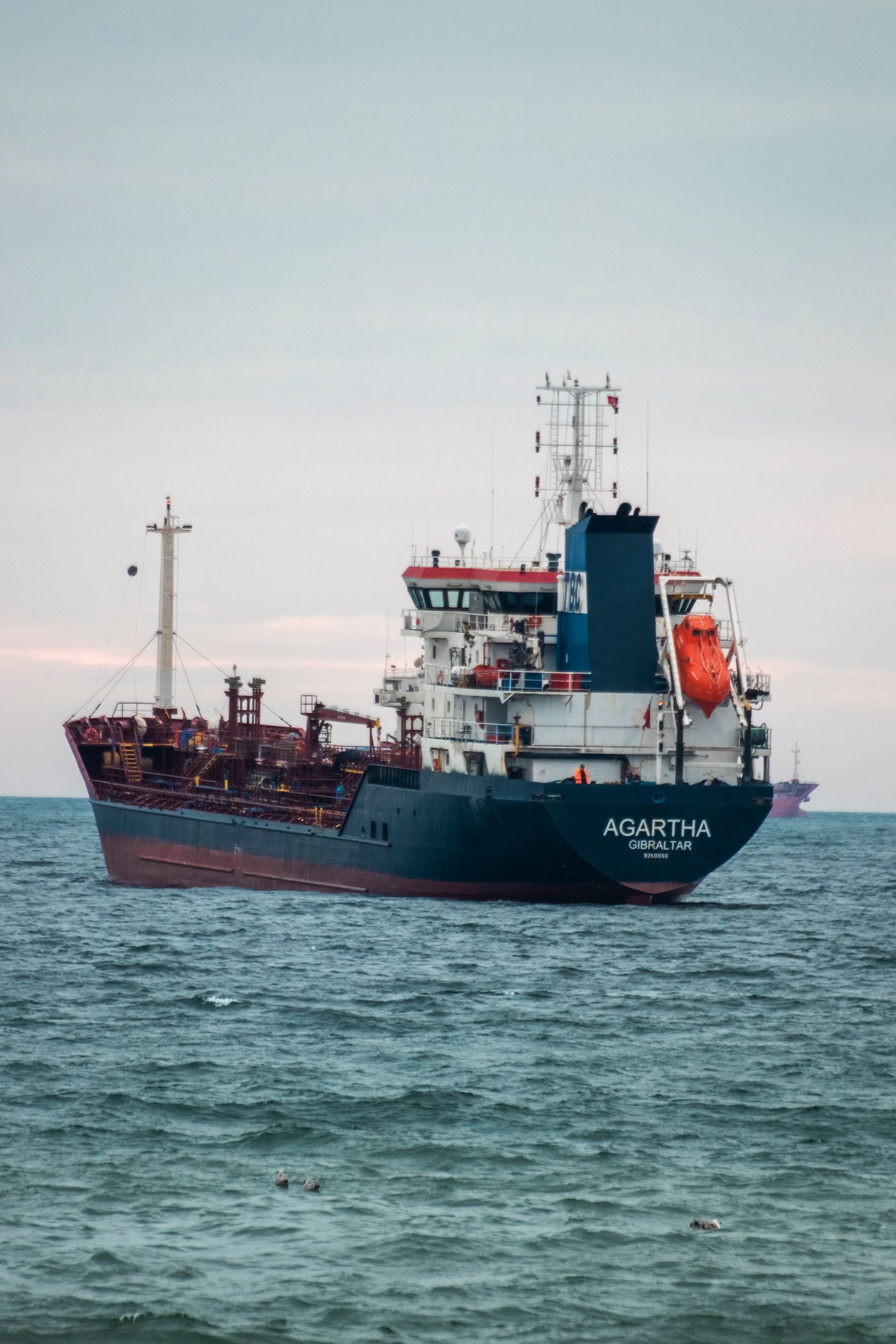
- A Vietnamese trading company wishes to charter an older tanker to lift refined product from a Middle East loading port to a Vietnamese discharge port.
- The charterer on the proposed fixture is a newly formed company in a third country, introduced by a broker the trading company has not used before.
- The vessel has changed name and flag twice in a short period and has several AIS gaps in the past year.
- The cargo certificate of origin is a scanned copy that does not name the producing facility.
The commercial pressure is time: the freight is attractive and the broker says the vessel will be gone by tomorrow.
Decision path
- Escalate to compliance and record the red flags before any commitment.
- Request ownership evidence for the charterer and the vessel’s registered owner and manager.
- Ask the vessel’s manager to explain the AIS gaps and to provide a voyage history.
- Require an original origin certificate and cross-check with the loading port, the producer and the bill of lading.
- Add a sanctions clause with a right to refuse, terminate and be indemnified.
- Notify the insurer and the financing bank before the fixture is concluded.
- If the explanations are not satisfactory, decline in writing and keep the file.
In this scenario, the cheapest control is time. A 24-hour pause to collect documents costs little compared with a frozen payment or a repudiated cover note.
Building a shipping sanctions compliance programme
A shipping sanctions compliance programme is a set of repeatable decisions, not a policy document. Regulators, banks and underwriters tend to look for evidence that the business has identified its risks, assigned responsibility, followed procedures and learned from incidents.
Seven components
- Governance: a named senior owner for sanctions decisions, with authority to say no.
- Risk assessment: an annual review of trades, regions, cargoes, counterparties and financing sources.
- Procedures: written onboarding, screening, escalation and approval steps.
- Contract standards: approved clauses for charters, sale contracts and agency agreements.
- Tools and data: screening software and vessel-tracking data appropriate to the scale of the business.
- Training: short, role-specific training for chartering, operations, finance and the management team.
- Testing and records: periodic file reviews, incident logs and retention of records.
For banks and insurers
Financiers and underwriters should require sanctions representations, information undertakings and a right to suspend funding or cover on a credible red flag. They should also require notice of changes in ownership, management or trading pattern. For general orientation on marine insurance practice, see the International Union of Marine Insurance and the BIMCO contract resources.
When something goes wrong
- Stop the voyage or the payment and preserve all documents, messages and AIS data.
- Notify counsel before notifying counterparties, so privilege and strategy are protected.
- Check notification duties to the bank, the insurer and any authority.
- Do not alter or delete records, and do not make backdated documents.
- Document the remediation steps taken.
For related IVLF guidance, see our sanctions clauses in Vietnam loan agreements and our correspondent banking sanctions compliance.
Frequently Asked Questions
Does shipping sanctions compliance apply to a Vietnamese company if Vietnam has not imposed the measure?
Possibly in practice. Banks, insurers and counterparties may be bound or may apply measures by policy, so the commercial effect can reach you. Whether a measure binds you legally must be checked.
Is an AIS gap proof of sanctions evasion?
No. Gaps can be caused by equipment failure or poor coverage. A pattern of gaps, combined with other red flags, should trigger escalation, explanation and documented decision-making.
What should a sanctions clause in a charter party include?
At least a definition, warranties, a right to refuse or terminate, an indemnity, a discharge procedure and an information duty. Start from a recognised industry form and adapt it.
Who should own sanctions decisions in a shipping company?
A named senior person with authority to refuse business, independent of commercial targets. Chartering staff should escalate, not decide alone, where red flags arise.
What records should we keep for each fixture?
Screening results, ownership evidence, voyage and AIS review, cargo origin documents, approvals and any explanations received. Keep them in one file so a bank or insurer can review the decision.
Conclusion and next step
Shipping sanctions compliance is managed before the fixture, not after the cargo moves. The programme need not be large. It needs a named owner, a short list of red flags, a proportionate due diligence routine, a standard sanctions clause and a written record. Together they let a business say yes with confidence and no with evidence.
Next action: take your last three fixtures, apply the red-flag list and the clause checklist above, and note which controls were missing. That gap list is the first draft of your programme.
This article provides general information as of 14 October 2026 and is not legal advice for a specific matter. Sanctions measures change frequently; verify current texts and obtain advice before acting.
Or contact us directly:
Contact IVLF LawyerCompany Formation Services – IVLF Advisors
This article is provided for general information only and does not constitute legal advice for any specific case. Regulations may change – please consult a qualified professional before acting. Should further analysis be required, please contact one of our lawyers below.