
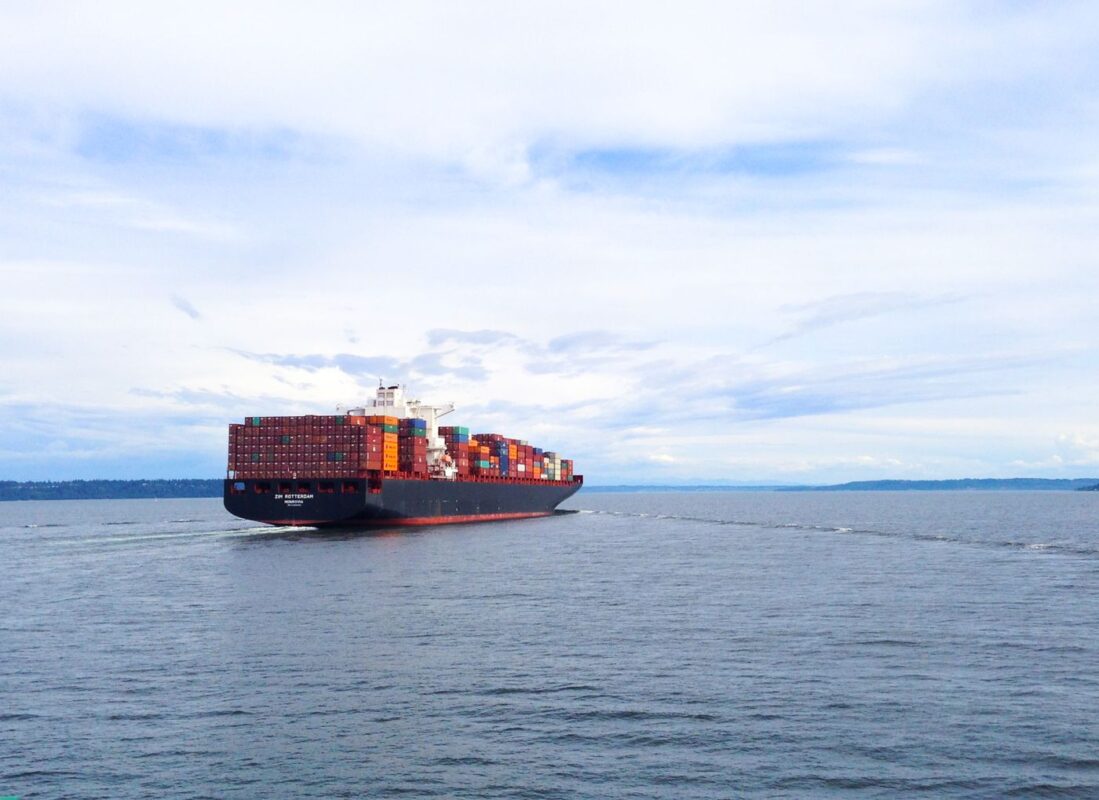
A time charter looks simple on paper: the owner provides the ship, the charterer pays hire and decides where she trades. In practice, the time charterparty Vietnam owners and charterers sign is a continuing cash-flow contract with several points where a single missed payment, an ambiguous delay or a vague redelivery notice can turn into a seven-figure dispute. Most of those disputes are not about the headline hire rate. They are about who bears the cost of lost time, when the owner may take the ship back, and what condition the ship must be in at the end.
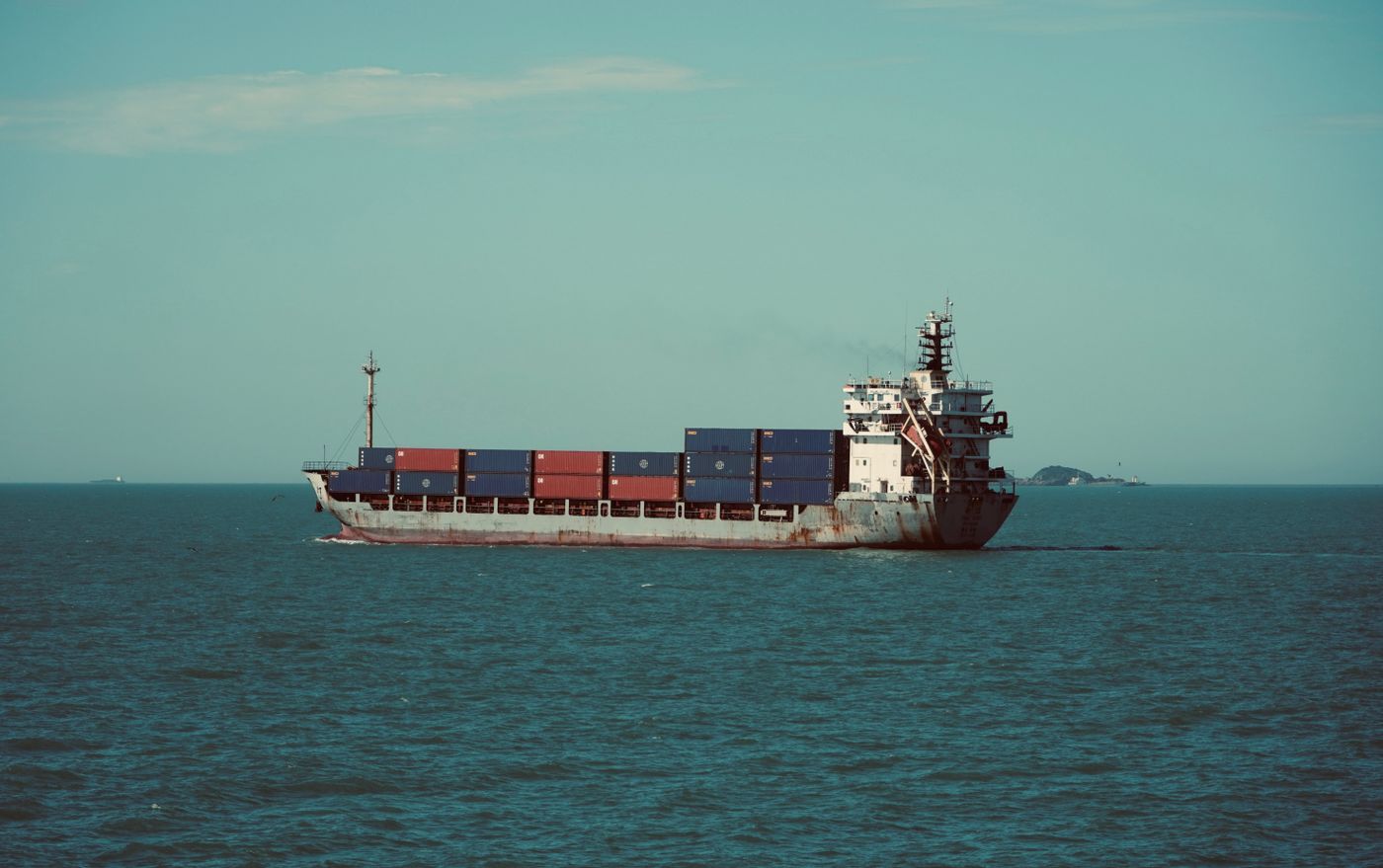
This article maps the risk for both sides in commercial terms. It treats NYPE-type forms and London-style arbitration as market practice and English-law doctrine, not as Vietnamese law, and it marks every Vietnamese-law point that needs confirmation against the current text.
Table of Contents
- Time charterparty Vietnam: the legal frame and the governing law
- NYPE 2015 and the allocation of risk
- The off-hire clause: when hire stops
- Hire payment withdrawal: the owner’s sharpest tool
- Speed and consumption claim: proving a performance shortfall
- Redelivery: the last voyage and the final bill
- FAQ
- Conclusion and next step
Time charterparty Vietnam: the legal frame and the governing law
Any time charterparty Vietnam counterparties negotiate starts from one idea: a time charter is a contract for the services of a ship for a period, not a lease of the vessel. The owner keeps possession, the master and crew, and responsibility for navigation and technical management. The charterer directs commercial employment, pays hire and bears voyage costs such as fuel and port charges unless the form says otherwise.
The Vietnam Maritime Code 2015 (Law No. 95/2015/QH13, effective 1 July 2017; consolidated text 101/VBHN-VPQH of 26 August 2025) contains rules on charter contracts. Which of those rules apply by default, which can be excluded by the parties, and how a Vietnamese court or arbitral tribunal would treat them in a dispute must be verified against the current text.
A draft Vietnam Maritime and Waterway Code is under review. As of 14 October 2026 it is a draft, not adopted, and may change. Do not draft a time charterparty Vietnam parties will rely on for years around an assumed future text.
Time charterparty Vietnam: why English law and London arbitration dominate
Most standard forms select English law and arbitration in London, and many Vietnamese owners and charterers accept that without negotiation. English-law doctrine then governs the meaning of terms like off-hire, due diligence and redelivery. Vietnamese parties sometimes prefer arbitration at the Vietnam International Arbitration Centre (VIAC). Both choices are lawful commercial decisions, but they change the evidence rules, the cost and the enforcement route.
Key takeaway: choose the governing law and forum deliberately at the fixture stage. It is far more expensive to argue about them after the dispute has started.
NYPE 2015 and the allocation of risk
The NYPE 2015 form, published by BIMCO, is the modern successor to earlier New York Produce Exchange forms and is widely used for dry cargo and tanker business. It is a market template, not a statute. Its rider clauses, and the parties’ amendments, often matter more than the printed text. Information about the form is available from BIMCO.
The allocation of risk under an NYPE-type form in a time charterparty Vietnam fixture can be summarised in a few lines.
- Owner bears: seaworthiness at delivery, vessel speed and consumption warranties, crew competence, technical condition, and loss of time caused by vessel-side defects (through off-hire).
- Charterer bears: hire, fuel, port costs, safe port and safe berth orders, cargo-related delay and lawful trading instructions.
- Shared or disputed: weather delay, port congestion, quarantine and sanctions-related delay, and the effect of legal changes.
Practitioners should read the typed clauses, the rider and any addenda together. A clean printed clause can be neutralised by a rider that reverses the burden of proof or adds a notice requirement, and the reverse is equally true.
Comparison: owner and charterer risk map
| Issue | Market and English-law position | Commercial impact | Risk | Mitigation |
|---|---|---|---|---|
| Late or missed hire | Payment in advance; owner may withdraw after the contractual procedure | Loss of the ship in a rising market | Fatal for charterer | Payment calendar, bank holiday check, grace-period notice routine |
| Off-hire event | Hire stops only if the clause is triggered and the event is within its terms | Cash dispute on deductions | High | Precise wording, joint delay log, reservation of rights |
| Speed and consumption shortfall | Warranty or description breach; proof by data | Hire deduction or damages claim | High | Agreed methodology, baseline weather, data-sharing clause |
| Redelivery condition | Return in like condition, fair wear and tear excepted | Cleaning, repair and bunker disputes | Medium | Joint survey, bunker survey, agreed redelivery notices |
| Illegal or unsafe trading orders | Owner may refuse; charterer may owe indemnity | Detention, claims, loss of cover | High | Trading limits, sanctions clause, war-risk clause |
Is a time charter you are about to sign, or a dispute you are already in, exposed to hire, off-hire or redelivery risk you have not priced? IVLF can provide a confidential preliminary review of the charter terms and your position, under NDA, before you act or reply to the counterparty.
The off-hire clause: when hire stops
The off-hire clause is the point where operational facts become money. Under English-law practice, hire continues unless an off-hire event listed in the clause occurs, and the burden is on the charterer to show that the clause applies. The wording of the trigger, for example “net loss of time” versus “any time lost”, decides how much cash moves.
Common events and the questions they raise
- Breakdown of machinery or equipment: was the stoppage within the clause, and did it prevent the full working of the ship?
- Deficiency of crew or stores: does the clause cover it, and can the owner show timely rectification?
- Detention by authorities: was it caused by the ship’s condition or by the cargo or the charterer’s orders?
- Deviation for medical or safety reasons: who bears the time and the bunker used?
- Grounding or collision: is it an off-hire event, and who bears repairs and delay?
Disputes are frequently decided on records. Keep the deck and engine logs, the delay statements, the surveyor reports and the instructions given. Send a written reservation of rights promptly, and avoid informal chat messages that concede facts without context.
Hypothetical scenario
Assume a geared bulk carrier on a twelve-month time charter, with hire payable fifteen days in advance. During a laden voyage the main engine stops for fifty hours because of a fuel pump failure. The charterer deducts fifty hours of hire and the cost of bunkers burned by a tug. The owner argues that the clause covers only a net loss of time and that part of the delay overlapped with port waiting. All facts, durations and amounts are invented for illustration.
The likely analysis turns on the exact wording. If the clause is a net-loss clause, the charterer must show the time actually lost against what would have been needed anyway. If it is a period clause, a full off-hire period may apply. The practical lesson is to settle the log methodology before the first incident, not after.
Hire payment withdrawal: the owner’s sharpest tool
In a time charterparty Vietnam owners sign, hire is usually payable in advance and the time for payment is typically stated to be of the essence. If the hire is late, the owner may have a right of hire payment withdrawal, meaning the right to withdraw the ship from the charterer’s service. In a rising market this is the owner’s strongest weapon, and in a falling market it can be an exit door.
Many modern forms include an anti-technicality clause that requires the owner to give a notice and a short grace period before withdrawing. Whether the right has been properly exercised depends on the wording, on timing, and on how the notice was given. Treat these as items to check against the executed charter.
Charterer checklist
- Pay from a bank that can confirm the payment time, and keep the transfer message.
- Pay before the due date if a weekend or bank holiday is near, in the place the clause names.
- Calendar the grace period as soon as any notice is received, and respond in writing the same day.
- Make deductions in line with the clause only, and document them with evidence.
- Avoid set-off arguments that the form does not permit.
Owner checklist
- Follow the notice form and period precisely; a defective notice can turn into a wrongful withdrawal claim.
- Decide whether to withdraw or to accept late payment, and say so clearly; conduct may waive rights.
- Consider a lien on cargo and sub-freights, if the clause provides one, and give notice to the sub-charterer.
- Check the position of the mortgagee and the P&I club before withdrawing, because those parties may have conditions.
Practical point: a wrongful withdrawal can cost more than late hire. Where there is a doubt, get advice on the same day, not after the ship has moved.
Speed and consumption claim: proving a performance shortfall
A speed and consumption claim is a performance dispute. The charterer alleges that the ship did not meet the speed and fuel consumption stated in the charter description, so it paid for lost time and extra fuel. The owner answers that weather, currents, fouling or the charterer’s own orders explain the figures.

Under market practice the warranty is usually qualified: “about” the stated speed, in good weather conditions, and often without adverse current. The definition of good weather, commonly given in terms of a wind force and sea state limit, is critical. The method of calculation, such as a noon-report analysis or a weather-routing study, can change the outcome by a large margin.
Evidence both sides should secure
- Noon reports, engine logs, bunker delivery notes and fuel samples.
- Independent weather-routing or performance-monitoring reports agreed in the charter.
- Hull-cleaning and drydock records, and propeller polish dates.
- Voyage orders and instructions that affected speed, such as slow-steaming or just-in-time arrival.
Claims are often settled when the parties agree the data set before running the numbers. A charter that names a performance provider and the calculation method avoids many arguments. For the owner, accurate records are insurance; for the charterer, early notice and a reservation are essential.
Link to emissions and fuel rules
Performance disputes increasingly overlap with regulatory fuel and emissions requirements. The IMO sets the international framework, and its materials are available at the IMO website. Whether the charter allocates the cost of compliance fuel, slow steaming to meet an efficiency index or a carbon-related charge is a drafting question to settle in the rider.
Redelivery: the last voyage and the final bill
Redelivery is where unresolved issues come together. The charterer must return the ship at the agreed place and time window, in the same condition as on delivery, fair wear and tear excepted, with bunkers at the contractual quantity and price. Disputes arise from late redelivery, short redelivery, the legality of the last voyage and the condition of holds or tanks.
The last voyage problem
Under English-law doctrine, an order that cannot reasonably be completed before the end of the period may be refused or accepted subject to a market-rate adjustment for the overrun. The commercial answer is to include a clear last-voyage clause: a notice sequence, an agreed final window and a hire rate for any overrun.
Redelivery checklist
- Give the required notices of expected redelivery, and keep proof of sending.
- Arrange a joint on-hire and off-hire survey and a bunker survey.
- Agree who bears cleaning, hold repairs and removal of cargo residues.
- Check outstanding claims, deductions and final hire before releasing the ship.
- Keep an eye on the lien rights over sub-freights and the position of insurers.
Hypothetical scenario
Assume a time charter ends in the last week of the month. The charterer gives a final voyage with a discharge port that cannot be reached before the end of the period. The owner has a follow-on fixture with a cancelling date. All details are invented. The owner may decline the voyage or accept it with hire at the market rate for the overrun, and should reserve rights in writing at once. Silence and acceptance of the voyage can weaken a later claim.
Insurance, security and cross-border enforcement
Hire disputes are rarely settled by the first claim letter. Parties should consider security for hire, such as a parent guarantee or a letter of credit, and for redelivery claims, a retention of the final hire payment. Hull and P&I cover may respond to some losses but not to pure contractual disputes over hire, so the commercial team must not assume that insurance will meet the shortfall.
The Law on Insurance Business 2022 (No. 08/2022/QH15, effective 1 January 2023), as amended by Law No. 139/2025/QH15, applies to insurance contracts in Vietnam, but the application to a foreign-law charter and its insurers must be confirmed. A related practical note on charter disputes is available in our guide on vessel leasing structures, tax and risk.
Frequently Asked Questions
Can an owner withdraw the ship for one late hire payment?
Often yes, if hire is payable in advance and the charter makes time of the essence, subject to any anti-technicality notice. Check the executed clause before acting.
Does hire stop automatically when the ship breaks down?
No. Under English-law practice hire stops only if the event falls within the off-hire clause, and the charterer must usually prove it. The exact trigger wording matters.
Which law governs a time charter involving a Vietnamese party?
The parties choose. Many select English law and London arbitration; others prefer VIAC. Mandatory Vietnamese rules and enforcement issues must be confirmed.
How is a speed and consumption claim proved?
By logs, noon reports and agreed weather or performance analysis, measured against the charter description and its good-weather conditions. The calculation method is often decisive.
What should be in a redelivery notice?
The expected port, date window and bunker quantity, given on the contractual notice sequence, with proof of sending. Check the charter for the exact required notice days.
Conclusion and next step
The time charterparty Vietnam commercial teams manage day to day is won or lost on process: paying on time, logging delays, agreeing performance data and planning the last voyage. Owners should protect the withdrawal right by following the notice sequence exactly. Charterers should protect cash by paying precisely, deducting only as the clause allows and documenting every event.
Practical next action: within the next week, pull the executed charter and rider for each live fixture and build a one-page calendar of hire dates, notice periods, performance data duties and redelivery windows. Mark each term as confirmed or to be verified, and send any needed reservation of rights now. For arbitration infrastructure in Vietnam, see VIAC, and review our note on arbitration clause choices: SIAC, ICC and HKIAC.
This article provides general information as of 14 October 2026 and is not legal advice for a specific matter. Laws, forms and practice change; please obtain advice on your own facts before acting.
Or contact us directly:
Contact IVLF LawyerCompany Formation Services – IVLF Advisors
This article is provided for general information only and does not constitute legal advice for any specific case. Regulations may change – please consult a qualified professional before acting. Should further analysis be required, please contact one of our lawyers below.