For Vietnamese project sponsors chasing capital for toll roads, LNG terminals, and renewable power plants, a Sukuk issuance is no longer an exotic footnote in a financing memo — it is a practical funding channel sitting alongside, or inside, a conventional Eurobond.
Gulf sovereign wealth funds, Malaysian pension funds, and Indonesian Islamic banks collectively sit on one of the deepest pools of long-duration, infrastructure-hungry capital in the world, and most of it is mandated to invest only in Shariah-compliant instruments. For Vietnam’s infrastructure pipeline — estimated by multilateral lenders to require tens of billions of dollars annually through 2030 — ignoring that pool of capital on structuring grounds alone is an unforced error.
This article sets out, at an illustrative level, how Sukuk al-Ijara and Sukuk al-Wakala structures work, where they fit against a conventional Eurobond, and what a Vietnamese issuer needs to resolve domestically before a Gulf or Malaysian investor will look twice.
Table of Contents
- 1. What a Sukuk Actually Is (and Is Not)
- 2. Sukuk al-Ijara: The Asset-Lease Model
- 3. Sukuk al-Wakala: The Agency-Pool Model
- 4. Why Infrastructure and Energy Assets Fit Sukuk Structures
- 5. Sukuk Issuance vs. Conventional Eurobond: A Side-by-Side View
- 6. Vietnamese Legal and Regulatory Gaps to Resolve
- 7. Reaching the Gulf, Malaysian, and Indonesian Investor Base
- 8. An Illustrative Vietnamese Infrastructure Sukuk Structure
- 9. Execution Roadmap for a Sponsor Considering Sukuk
- 10. Frequently Asked Questions
1. What a Sukuk Actually Is (and Is Not)
A Sukuk issuance is frequently mis-described as “an Islamic bond,” which is a useful shorthand but a legally imprecise one. A conventional bond is a certificate of indebtedness: the holder lends money and is repaid principal plus interest.
A Sukuk certificate instead represents an undivided beneficial ownership interest in a tangible asset, a pool of assets, a business venture, or a usufruct (the right to use an asset) — and the periodic distributions investors receive are economically structured as rental income, profit share, or agency fee, never as interest (riba), which is prohibited under Shariah principles.
1.1 Why the Asset-Based Nature Matters for Issuers
Because a Sukuk must be backed by an identifiable asset or venture, the issuer cannot simply raise money against a general balance-sheet promise to repay. This has a practical consequence for a Vietnamese sponsor: you need a real, income-generating or ownership-transferable asset — a toll road concession, a power plant, port infrastructure, or an SPV holding such assets — before a Sukuk can be structured around it.
1.2 Shariah Compliance Is Certified, Not Assumed
Every Sukuk issuance structure requires sign-off from a Shariah supervisory board — typically a panel of qualified scholars engaged by the arranging bank or the issuer — confirming the structure, the underlying contracts, and the use of proceeds comply with Shariah principles as commonly interpreted under standards such as those issued by AAOIFI.
[General/illustrative: specific Shariah board composition and ruling practice vary by jurisdiction and arranging institution and should be verified with appointed Shariah advisors for any live transaction.]
2. Sukuk al-Ijara: The Asset-Lease Model
Sukuk al-Ijara is the most widely used structure for infrastructure financing precisely because infrastructure assets generate stable, lease-like cash flows.
2.1 How the Structure Works, Step by Step
- The originator (the Vietnamese project company or a holding entity) sells or transfers beneficial title in an eligible asset to a special purpose vehicle (SPV), often incorporated offshore in a recognized Sukuk issuance jurisdiction such as Labuan or the Cayman Islands.
- The SPV issues Sukuk certificates to investors and uses the proceeds to pay the originator for the asset.
- The SPV leases the asset back to the originator under an Ijara (lease) agreement, with rental payments calibrated to match the periodic distribution obligations to Sukuk holders.
- At maturity, the originator repurchases the asset from the SPV at a pre-agreed price (typically par), and the SPV uses the proceeds to redeem the certificates.
2.2 Why Lenders and Investors Favor This Model
Key takeaway: Sukuk al-Ijara produces a payment profile that looks and feels like a conventional bond coupon to investors, while remaining asset-backed and Shariah-compliant — which is precisely why it has become the dominant structure for toll roads, airports, and power assets globally.
3. Sukuk al-Wakala: The Agency-Pool Model
Where a single asset is not large or clean enough to support a standalone Ijara structure, Sukuk al-Wakala offers more structuring flexibility.
3.1 The Agency Mechanic
Under a Wakala structure, the SPV (acting on behalf of investors) appoints the originator as an agent (wakeel) to invest Sukuk issuance proceeds into a diversified pool of Shariah-compliant assets — which can include a mix of Ijara leases, Murabaha trade receivables, equity stakes in operating companies, and other eligible assets. The agent manages the pool and distributes returns to investors, typically with an expected profit rate and an incentive fee structure for the agent above a hurdle.
3.2 Why Wakala Suits Multi-Asset Infrastructure Portfolios
For a Vietnamese energy group with several generation assets, or an infrastructure holding company with a mixed portfolio of toll roads and logistics assets, Sukuk al-Wakala allows the Sukuk to be backed by a blended pool rather than a single concession, smoothing cash flow and credit risk across assets of different maturity profiles.
4.
Why Infrastructure and Energy Assets Fit Sukuk Structures
Infrastructure and energy assets are, almost by definition, good Sukuk collateral: they are tangible, long-lived, and generate contracted or regulated cash flows. Gulf sovereign wealth funds and Malaysian pension funds typically seek 10–20 year duration assets matching their long-dated liabilities — a profile that aligns naturally with toll concessions, power purchase agreements, and LNG receiving terminals, more so than with shorter-tenor corporate credit. Renewable energy and transport decarbonization projects increasingly attract Green Sukuk labeling, layering sustainability-linked investor demand (and in some markets, tax or regulatory incentives) on top of the Shariah-compliant investor base — a double door into capital that a conventional Eurobond does not open as efficiently. [General/illustrative comparison for structuring discussion purposes; actual terms depend on issuer credit, market conditions, and jurisdiction at the time of issuance.] Vietnam does not currently have a dedicated domestic Sukuk legal framework, which means most structures contemplated today are necessarily offshore-issued, with the Vietnamese operating assets or revenue streams referenced through contractual and security arrangements governed by foreign law. Any offshore SPV issuance referencing a Vietnamese asset must be checked against the State Bank of Vietnam’s foreign loan and foreign exchange rules, including registration requirements for offshore borrowing where the structure is characterized as debt for Vietnamese regulatory purposes even if it is equity-like for Shariah purposes. [State Authority Practice / Verification Required — current SBV practice on hybrid instrument characterization should be confirmed before structuring.] Transferring beneficial title in a toll concession, land-use right, or power asset to an offshore SPV — even nominally — intersects with restrictions on foreign ownership of land-linked infrastructure and with concession/PPP contract transfer consent requirements, which typically require case-by-case government counterparty sign-off. Because an Ijara or Wakala structure involves an asset sale-and-leaseback or an agency arrangement rather than a straight loan, double taxation (e.g., VAT or registration tax triggered twice — once on transfer to the SPV, once on repurchase) is a real risk unless addressed through specific tax rulings or structuring choices common in other emerging-market Sukuk issuances. Capital markets in Kuala Lumpur, Jakarta, Dubai, and Labuan each have distinct listing venues, documentation conventions, and investor appetites that a Vietnamese issuer should map before selecting a structure. Malaysia’s Sukuk issuance market is the largest and most liquid globally, with established legal precedent and arranger expertise; Indonesia’s sovereign and corporate Sukuk issuance market provides a regional comparator with similar emerging-market credit dynamics to Vietnam, often making Indonesian or Malaysian arranging banks a natural first call for a Vietnamese sponsor. Gulf institutional investors — sovereign wealth funds, Islamic banks, and takaful (Islamic insurance) companies in the UAE, Saudi Arabia, and Qatar — bring the largest ticket sizes and the longest investment horizons, but typically require either a Dubai Financial Market or Nasdaq Dubai listing, or placement through a recognized Gulf-based Islamic bank as joint lead manager, to satisfy internal mandate requirements. The following is a hypothetical, illustrative structure only — not a specific transaction, proposal, or recommendation for any named project. Before mandating banks, a sponsor should run a structuring feasibility review covering asset eligibility, SBV foreign loan registration exposure, concession transfer consent, and indicative Shariah compliance screening. A credible Sukuk requires a joint arranger team spanning a Gulf or Malaysian Islamic bank (for Shariah structuring and investor distribution) and an international law firm pairing with Vietnamese counsel for local regulatory and security perfection work. Many sponsors do not need to choose exclusively — a dual-tranche structure issuing both a conventional Eurobond tranche and a Sukuk issuance tranche from the same underlying project can broaden the investor base without re-engineering the entire financing around Islamic structures. IVLF Advisors works alongside Vietnamese infrastructure and energy sponsors and their international arranging banks to assess structuring feasibility, regulatory exposure, and documentation strategy for cross-border Islamic and conventional financing. For a confidential discussion of your project’s financing options, contact our team. Sponsors considering Sukuk issuance should treat it as a financing structure with its own approvals rather than a relabelled bond. Islamic bond financing depends on a tangible asset or business pool, a Shariah supervisory board opinion and documents that keep the underlying transactions genuinely asset-based. Shariah-compliant financing Vietnam sponsors pursue should begin with an asset review: which assets can be sold, leased or placed in an agency pool without breaching Vietnamese law on land use rights and security? Counsel should answer that question before the Sukuk issuance is priced, because the answer shapes the choice between an ijara and a wakala structure. Gulf capital markets infrastructure investors, including regional banks and funds, look for clear purchase undertakings, disclosure to international standards and a credible enforcement route. A Sukuk issuance that addresses these points early is more likely to win a stable investor base, and Vietnamese counsel should verify each step against current law and market practice before the mandate is signed. The timetable for Sukuk issuance should allow for Shariah review, rating, listing and legal opinions in parallel, rather than one after another. Sponsors that plan this way avoid avoidable delay, and a well-run Sukuk issuance also leaves a template that later tranches can reuse. Each Sukuk issuance should also be documented so that investors can see how Islamic bond financing proceeds are applied. No. A Sukuk represents beneficial ownership in an asset or venture, with returns structured as rental or profit share rather than interest, while a bond is a pure debt instrument repaid with interest. Vietnam has no dedicated domestic Sukuk framework, so issuances are generally structured offshore through an SPV referencing Vietnamese assets, subject to foreign exchange and transfer approvals. Toll roads, power plants, ports, and LNG terminals are common, since their long-dated, contracted cash flows suit both Ijara lease structures and investor duration needs. Structuring costs and timelines are typically higher due to SPV formation, asset transfer documentation, and Shariah board review, though pricing can be competitive once the structure is established. Yes. A dual-tranche approach issuing both instruments from the same project is a common way to broaden the investor base without restructuring the entire financing. Sukuk issuance will not replace the conventional Eurobond as Vietnam’s default infrastructure financing tool, but for sponsors willing to resolve the asset-transfer, foreign exchange, and tax structuring questions upfront, it opens a genuinely deep and currently under-tapped pool of Gulf, Malaysian, and Indonesian capital. The practical next step for any sponsor evaluating this route is a structuring feasibility review before approaching arranging banks, so that regulatory exposure is understood and priced in from day one — not discovered mid-transaction. Explore how our cross-border finance advisory services support this process. This article is provided for general informational purposes only and does not constitute legal, tax, or financial advice. Shariah compliance determinations, regulatory requirements, and structuring outcomes depend on the specific facts of each transaction and should be confirmed with qualified legal, Shariah, and financial advisors before proceeding. IVLF Advisors LLC accepts no liability for actions taken in reliance on this general content. Sources referenced for structuring concepts (verify current standards before transaction use): AAOIFI (Accounting and Auditing Organization for Islamic Financial Institutions) and Labuan IBFC. This article is provided for general information only and does not constitute legal advice for any specific case. Regulations may change – please consult a qualified professional before acting. Should further analysis be required, please contact one of our lawyers below.4.1 Matching Asset Life to Investor Horizon
4.2 ESG and Green Sukuk Overlap
5. Sukuk Issuance vs. Conventional Eurobond: A Side-by-Side View
Feature
Sukuk (al-Ijara / al-Wakala)
Conventional Eurobond
Legal nature
Beneficial ownership interest in asset/venture
Debt obligation (loan)
Return to investor
Rental income / profit share / agency fee
Fixed or floating interest coupon
Underlying requirement
Identifiable eligible asset or venture required
No asset backing required
Investor base
Gulf, Malaysian, Indonesian Islamic institutions plus conventional crossover buyers
Global conventional fixed-income investors
Structuring cost/time
Generally higher (SPV, Shariah board, asset transfer documentation)
Generally lower, standardized documentation
Default/enforcement mechanics
More complex; tied to asset and SPV structure
Well-established cross-border bond default remedies
ESG/green labeling synergy
Strong (Green Sukuk growing rapidly)
Available via separate green bond framework
6. Vietnamese Legal and Regulatory Gaps to Resolve
6.1 Foreign Exchange and Capital Account Considerations
6.2 Asset Transfer and Security Perfection
6.3 Tax Neutrality for Islamic Structures
7. Reaching the Gulf, Malaysian, and Indonesian Investor Base
7.1 Malaysia and Indonesia as Entry Points
7.2 The Gulf as a Scale Investor Base
8. An Illustrative Vietnamese Infrastructure Sukuk Structure
9. Execution Roadmap for a Sponsor Considering Sukuk
9.1 Pre-Mandate Diagnostic
9.2 Choosing Arrangers and Shariah Advisors
9.3 Parallel Eurobond Tranche Option
Considering a Sukuk or Dual-Tranche Financing Structure?
Practical Takeaways for Sukuk Issuance in Vietnam
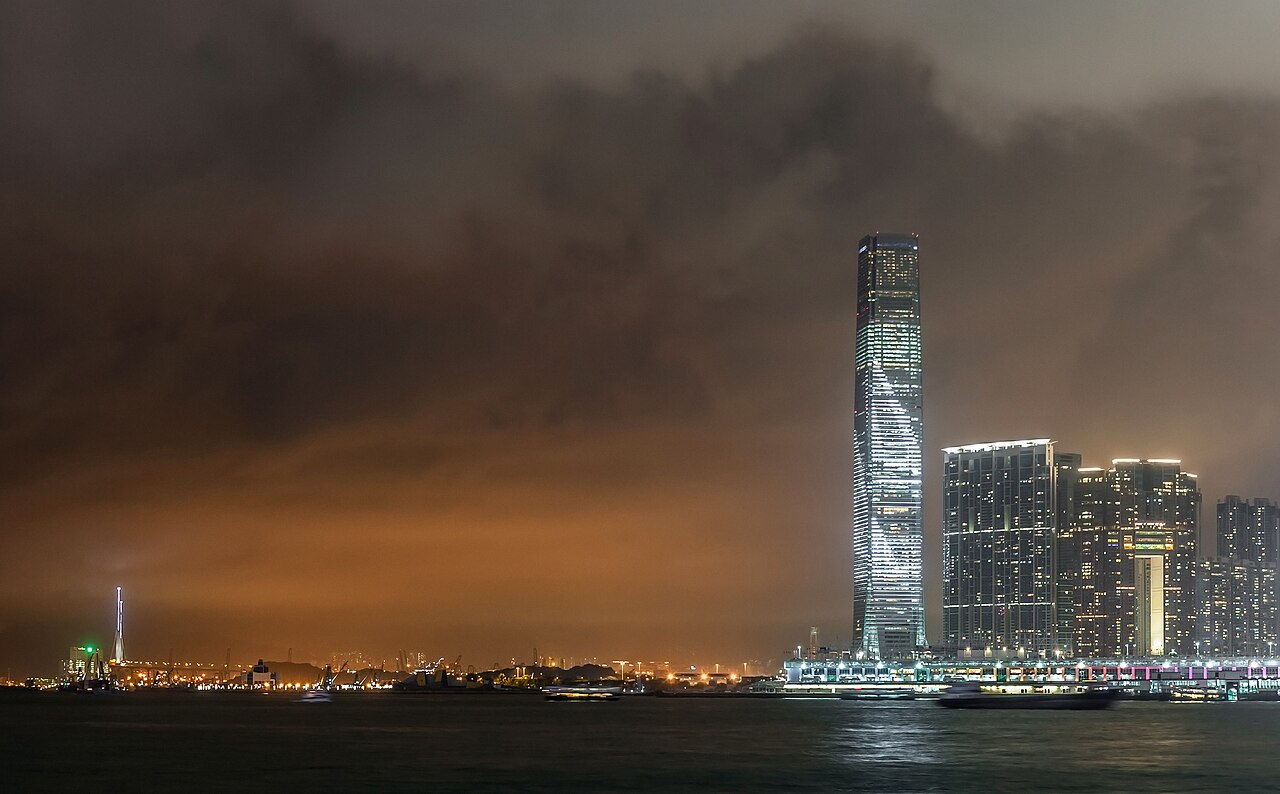
Preparing a Sukuk Issuance for Gulf Investors
Frequently Asked Questions
Is a Sukuk legally the same as a conventional bond?
Can a Vietnamese company issue Sukuk directly under Vietnamese law today?
What assets are typically used to back an infrastructure Sukuk?
Is Sukuk financing more expensive than a conventional Eurobond?
Can a project combine a Sukuk issuance tranche with a conventional bond tranche?