
Enactment update — 7 September 2026: Decree No. 342/2026/ND-CP was issued on 3 September 2026 and takes effect on 18 October 2026. From that date it replaces Decree No. 09/2018/ND-CP and repeals Article 36 of Decree No. 146/2025/ND-CP. Applications received before the effective date continue under the transitional rules stated in Article 44.

Foreign-invested retailers expanding beyond a first outlet in Vietnam face a licensing hurdle that does not exist for their first store: the Economic Needs Test (ENT). Under Decree 342/2026/ND-CP, effective 18 October 2026, the Economic Needs Test remains the single largest source of timeline uncertainty in retail network expansion — and it is often underestimated by legal and real estate teams building out store-opening schedules.
This article sets out, for in-house counsel and regional expansion teams, when the ENT applies, when it does not, what licensing authorities weigh in practice, and how to sequence an ENT application so it does not become the critical path item that delays a lease commencement date.
What Triggers the Economic Needs Test
During the transition from Decree 09/2018/ND-CP to Decree 342/2026/ND-CP, an ENT assessment is triggered when a foreign-invested enterprise (FIE) seeks to establish a retail outlet beyond its first in Vietnam, where that outlet has a retail floor area under 500 square metres located outside an area zoned for retail (i.e., not inside a shopping centre or designated commercial zone).
The first retail outlet of an FIE is, by contrast, generally not subject to ENT — it is assessed as part of the underlying Retail Outlet License (ROL) application without the additional economic-needs criteria.
When the ENT Is Exempted
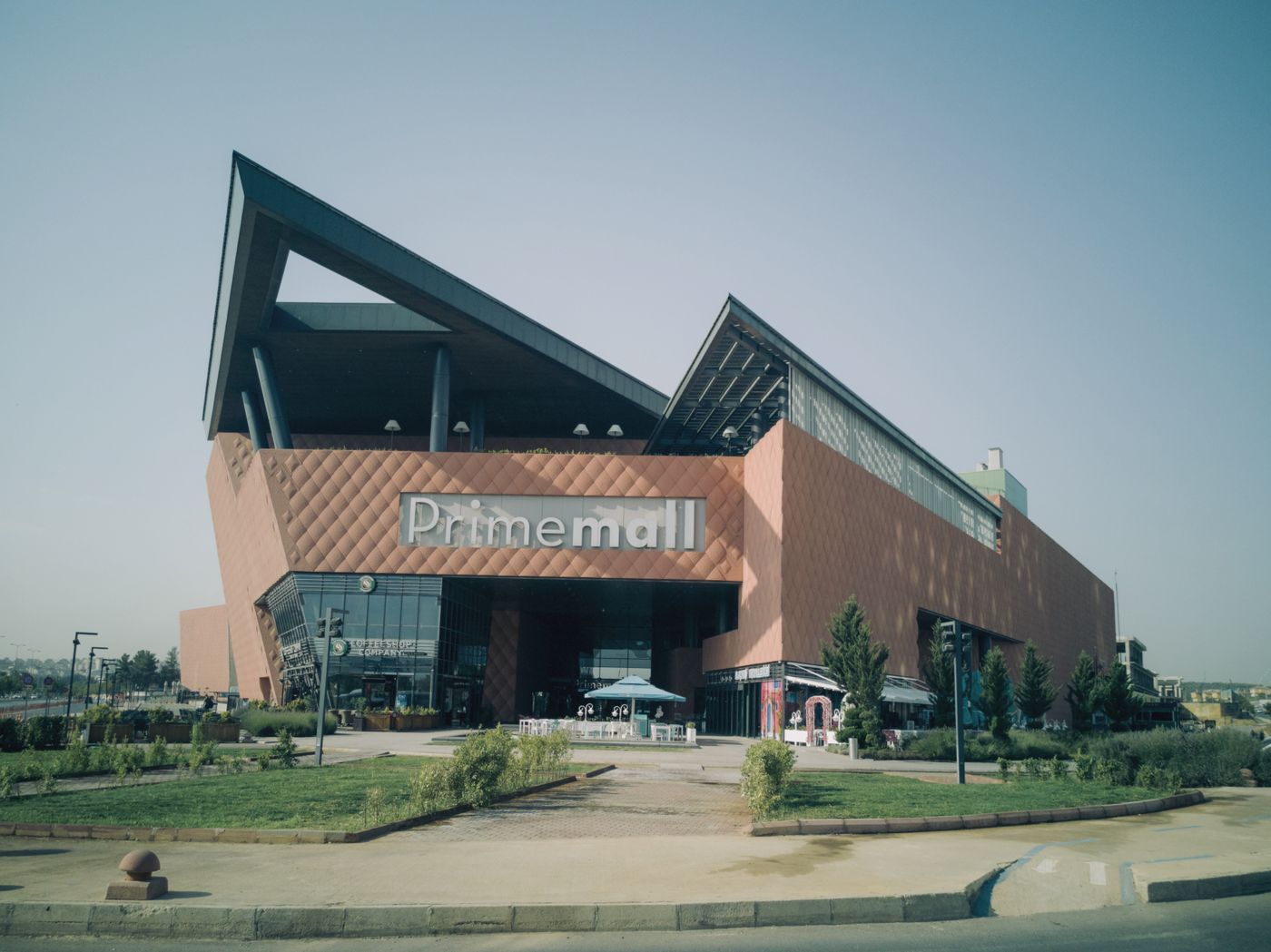
Decree 342/2026/ND-CP preserves categories of exemption from the ENT, most significantly for outlets located inside a shopping centre, commercial complex, or other facility already zoned and licensed for retail use. This exemption is a key structuring lever: FIEs planning multi-outlet rollouts frequently prioritize shopping-centre and mall locations for outlets beyond the first specifically to avoid ENT exposure, reserving standalone street-front locations for markets where mall inventory is unavailable or commercially unsuitable.
- Outlets sited within a shopping centre or commercial complex approved for retail business are generally exempt from ENT.
- The FIE’s first retail outlet is assessed without an ENT requirement, regardless of location or floor area.
Assessment Criteria in Practice
Where the ENT applies, the licensing authority’s assessment has historically weighed a combination of factors including the number of existing retail establishments in the relevant geographic area, market stability, population density and traffic conditions in the vicinity, and the consistency of the proposed outlet with local master planning. These criteria are qualitative rather than formulaic, which means outcomes can vary between provinces and between individual applications, and there is no published scoring methodology that produces a predictable pass/fail result.
For expansion planning purposes, this qualitative structure has two practical consequences. First, ENT approval timelines are less predictable than standard licensing steps and should be budgeted with contingency, not treated as a fixed number of working days. Second, the strength of a submission — market data, alignment with local planning, and engagement with the licensing authority ahead of formal filing — measurably affects both timeline and outcome, even though the criteria are not reducible to a checklist.
Hypothetical Scenario: Sequencing a Second-Outlet Rollout
Hypothetical scenario. A foreign-invested F&B retailer with one operating outlet in Ho Chi Minh City (already licensed, no ENT applicable) signs a letter of intent for a second, street-front location outside any shopping centre. Because the second outlet falls outside an exempt zone, the ENT applies.
Under a lease structure that assumes fit-out can begin immediately after signing, the ENT approval step — sitting on the critical path between lease execution and the target opening date — creates a real risk that fit-out and staffing commitments outrun the licence. A better-sequenced structure conditions the lease’s rent-commencement date, or includes a licensing contingency clause, on ENT approval rather than on lease signing, and treats mall-based sites for outlet two as the lower-risk fallback if the ENT timeline threatens the target launch date.
Practical Checklist for Expansion Counsel
- Confirm at the site-selection stage whether the proposed outlet falls inside an exempt shopping-centre/commercial-zone location, or will trigger ENT.
- Build ENT processing time into the lease’s conditions precedent and rent-commencement mechanics, not just the fit-out schedule.
- Assemble market and planning-consistency data supporting the application before filing, rather than reactively after a request for additional information.
- Track provincial licensing authority practice for the specific locality, since ENT application in practice is not uniform nationwide.
- Monitor the final text of the decree replacing Decree 09/2018/ND-CP for any change to ENT thresholds, exemptions, or procedure before filing new applications.
FAQ
Does the Economic Needs Test apply to a foreign investor’s first retail outlet in Vietnam?
No. The ENT applies to outlets beyond the first. The first retail outlet is licensed without an ENT requirement.
Can an ENT requirement be avoided entirely?
It can be avoided for a specific outlet by locating it within a shopping centre or commercial complex zoned and approved for retail use, which is generally exempt. It cannot be avoided for a standalone, non-exempt location beyond the first outlet.
How long does an ENT assessment take?
Processing time is not fixed by a simple formula and varies by province and by the completeness and strength of the submission. [State Authority Practice / Verification Required]: current processing benchmarks should be confirmed with the relevant provincial licensing authority before finalizing a launch timeline.
Will the Decree 342/2026/ND-CP replacing Decree 09/2018/ND-CP change the ENT?
The Decree 342/2026/ND-CP is expected to preserve the ENT mechanism in substance, but specific thresholds, exemptions, and procedural detail remain subject to change before the decree is finalized and issued. [Verification Required].
Conclusion
Retailers expanding beyond a first outlet, alongside their initial retail outlet licensing application, should map the economic needs test into their store-opening calendar from day one, rather than treating it as a late-stage compliance check. Building the economic needs test file alongside site selection avoids the delay that catches many second-outlet openings by surprise.
IVLF Lawyer recommends confirming current economic needs test practice directly with the Ministry of Industry and Trade before signing a lease for an additional outlet, since implementation of the economic needs test is expected to evolve further as the replacement decree for Decree 09/2018/ND-CP is finalized.
Disclaimer: This article is provided for general informational purposes only and does not constitute legal advice. It is based on the current regulatory framework and publicly available drafting materials as of the date of publication, which remain subject to change prior to finalization. For advice specific to your transaction or expansion plan, please contact IVLF Law Firm.
Understanding the economic needs test early is essential for any foreign retailer Vietnam planning a second retail outlet. A clear retail compliance roadmap keeps the ENT Vietnam filing on schedule and supports smoother retail expansion Vietnam across provinces, reducing the risk of delay tied to unmet economic needs criteria.
This article is provided for general information only and does not constitute legal advice for any specific case. Regulations may change – please consult a qualified professional before acting. Should further analysis be required, please contact one of our lawyers below.